3D printing videos are the internet’s latest obsession as creators turn plastic into art
Videos of desktop 3D printers transforming plastic into flower vases, organisers, idols and home décor are captivating social media users. While millions admire the creativity and technology, the trend has also sparked debate over sustainability and increased plastic consumption.
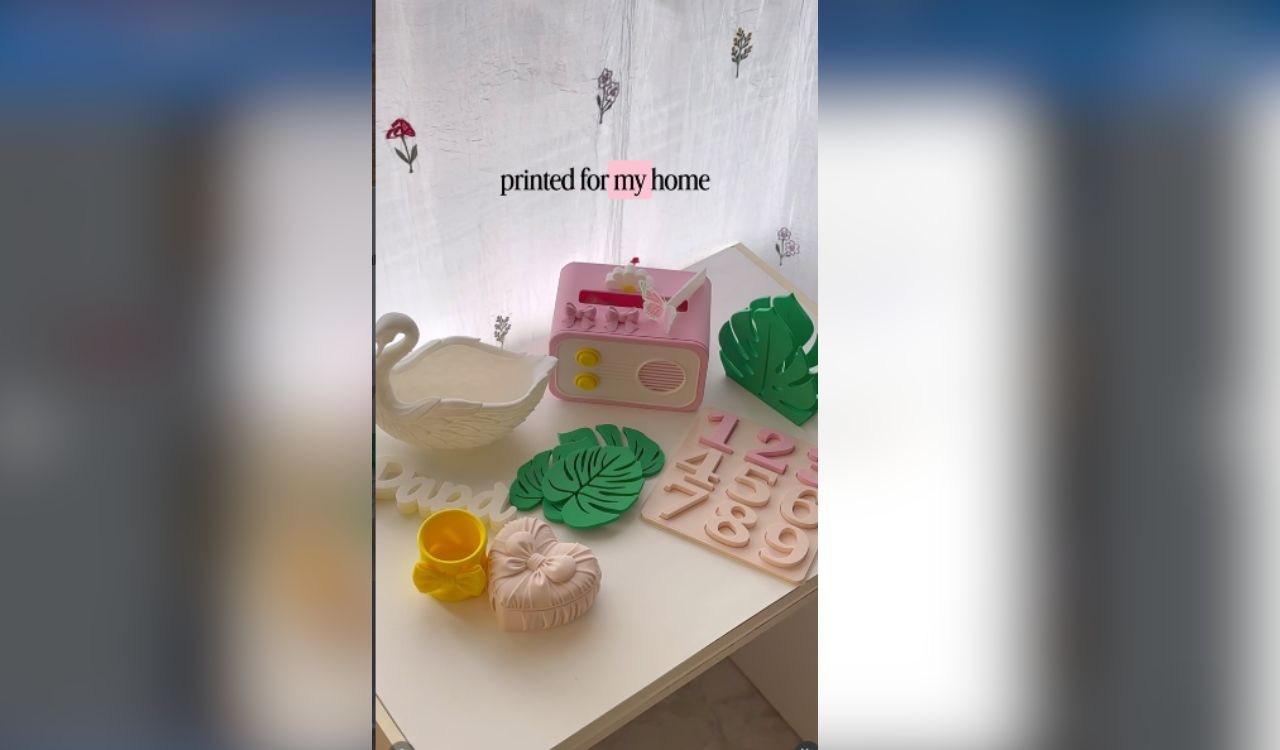


Hyderabad: Watching a flower vase slowly appear out of thin air, layer by layer, has become the internet’s newest guilty pleasure. Scroll through Instagram or YouTube and chances are you’ll stumble upon a video where a plain spool of plastic transforms into something surprisingly useful or beautiful.
From phone cases and desk organisers to plant holders, jewellery stands and even Krishna idols, creators are proving that almost anything can be brought to life with a 3D printer.
https://www.instagram.com/p/DaAhYUMvD_t/
Much of the buzz revolves around the Bambu Lab A2L, a desktop 3D printer that has become a familiar sight in viral videos. One clip, which has crossed 7 million views, features a creator printing a desk trash can, a satin-finish pen holder, an SD card box, a photo stand, a headphone holder and a flower vase, earning more than 480,000 likes.
https://www.instagram.com/p/DY0NCx4yjKm/
The videos have left viewers both fascinated and slightly bewildered, with thousands filling the comments section to marvel at how realistic and polished the printed creations look. “Woaahh this is soo cool,” wrote one viewer, while another commented, “The pen holder really looks like it’s handmade with satin.” Others were simply amazed. “I am scared of modern technology now,” read one reaction.
Part of the appeal is that users don’t always have to design objects from scratch. The printer offers access to an online library of ready-made models, allowing beginners to download and print thousands of creations, while experienced users can customise or design their own. It also supports multi-colour printing, automatically calibrates before every job and even allows users to swap attachments for cutting materials or drawing with pens.
The machine costs around Rs 55,000, making it more accessible than many industrial 3D printers, though it remains an investment for hobbyists.
The trend has also sparked debate. While many see it as a creative breakthrough, others question whether printing more plastic products is sustainable. “Don’t we already have enough plastic on the planet?” one user asked, while another wrote, “Humans will do everything to exploit the resources never built for his amusement.”
Love it or question it, one thing is certain: 3D printing has escaped workshops and engineering labs and found a new home on social media, where every print is another chance to surprise millions.

Related News
-

How Cockroach Janta Party became India’s viral political talking point
-
Secunderabad: Indian Army launches First Additive Manufacturing Centre ‘Rachnalaya’ at MCEME
-
Ridhira Group announces world’s first 3D Printed Resort Living Community at Ridhira Zen
-
What are ghibli-style AI images that have taken over the internet?