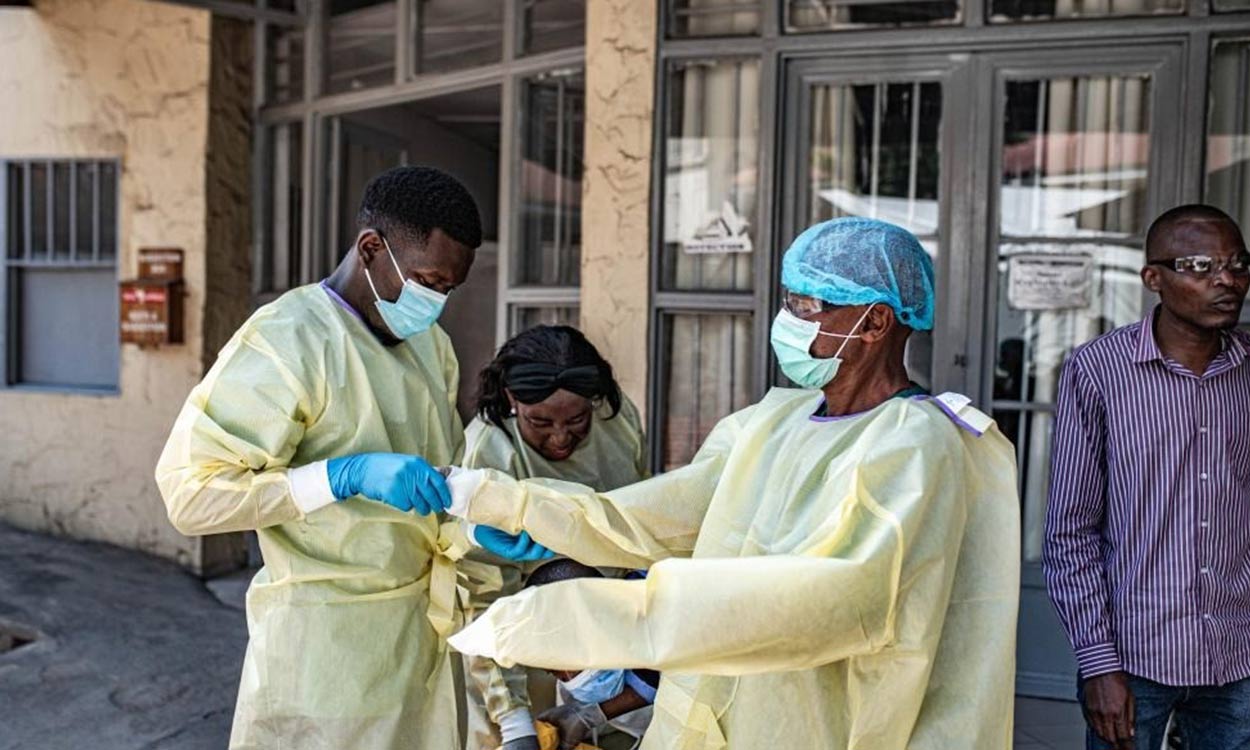
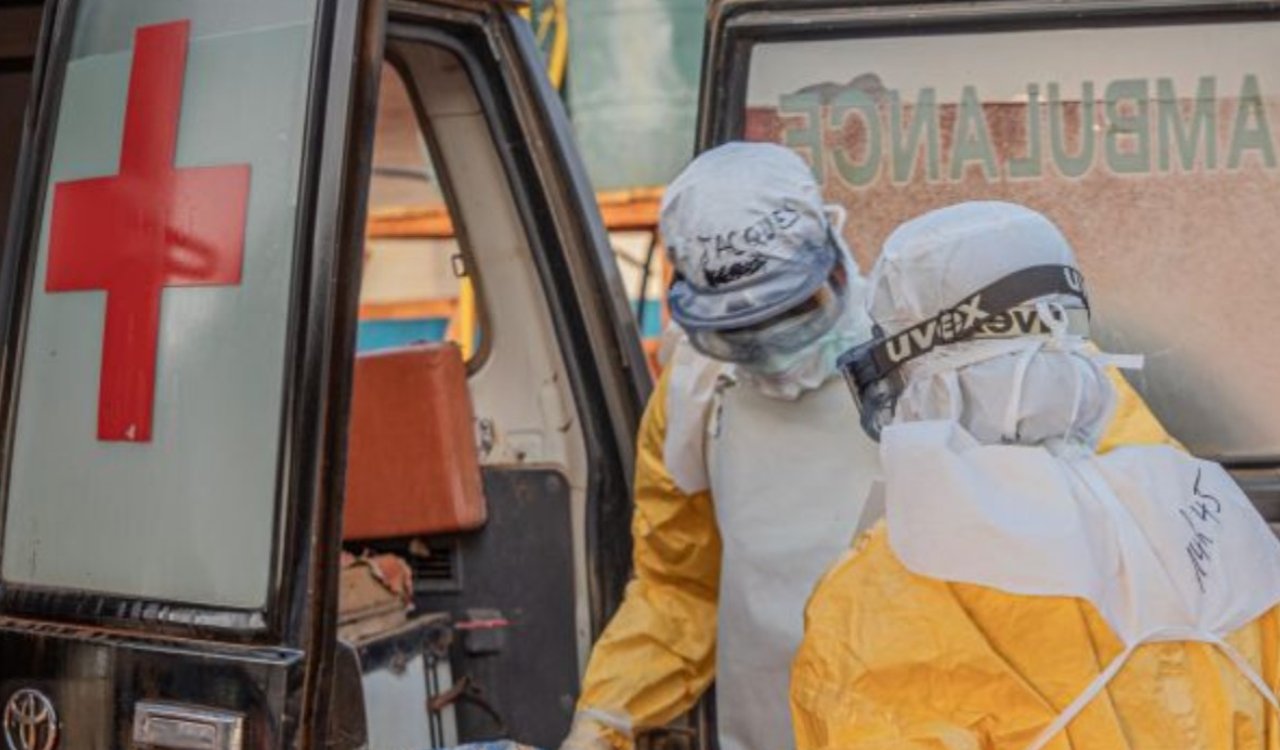
WHO classifies three widely used medicines, including a common BP drug, as Group 1 carcinogens
The WHO's cancer research agency has classified Hydrochlorothiazide, Voriconazole and Tacrolimus as Group 1 carcinogens based on scientific evidence. Health experts, however, stress that patients should continue prescribed treatment and consult doctors before making any changes, as uncontrolled hypertension poses greater immediate risks.


Hyderabad: Three widely used active drug ingredients—including a mainstay high blood pressure compound routinely prescribed in India—have been designated as Group 1 ‘carcinogenic to humans’ by the International Agency for Research on Cancer (IARC), the specialized cancer research agency of the World Health Organization (WHO).
A Group 1 carcinogenic classification means that there is conclusive scientific evidence showing that the chemical compounds present in these three medications are capable of causing cancer in humans. The three medicines that were evaluated by WHO and the advisory issued include Hydrochlorothiazide (HCTZ), Voriconazole and Tacrolimus.
According to WHO, the findings, published in Volume 137 of the IARC Monographs, follow a rigorous review of epidemiological studies, animal bioassays, and mechanistic data by an international working group of experts.
Hydrochlorothiazide (HCTZ) is a widely prescribed thiazide diuretic used to manage essential hypertension and edema while Voriconazole is a broad-spectrum triazole antifungal drug prescribed for severe systemic fungal infections. The third medication Tacrolimus is an immunosuppressive agent used to prevent organ rejection in transplant recipients and, topically, for skin conditions like eczema and vitiligo.
While issuing the classification of the three medications as carcinogenic, the WHO has advised patients not to stop their prescribed regiments to control hypertension without consulting the general physician or a hypertension specialist.
Sharing more details on the mechanism and evidence of the three medications and their link to cancer, WHO said ‘HCTZ was previously categorized as ‘possibly carcinogenic” (Group 2B) and the upgrade to Group 1 stems from robust epidemiological evidence linking prolonged HCTZ use to an increased risk of Non-Melanoma Skin Cancers, specifically Squamous Cell Carcinoma (SCC) of the skin and lip cancer. HCTZ is phototoxic, when exposed to ultraviolet (UV) radiation from sunlight, the compound causes cellular oxidative stress in the skin”.
On Voriconazole, WHO said “Used routinely in post-transplant care and ICU settings, voriconazole breaks down into a primary metabolite (N-oxide) that exhibits significant phototoxicity, driving skin cell damage under ambient sunlight”.
The WHO advisory said that Tacrolimus is usually administered orally or intravenously to transplant recipients. “Systemic tacrolimus suppresses immune surveillance, leaving the body less capable of suppressing abnormal cell proliferation, which increases long-term risks of Non-Hodgkin Lymphoma and skin malignancies,” it said.
The WHO classification of the three medications has the potential to influence clinical practice in Telangana, which has a disease burden of nearly 27 lakh hypertension patients.
According to doctors in Hyderabad, HCTZ is rarely prescribed alone today; instead, it is extensively used in low-cost, fixed-dose single-pill combinations alongside Angiotensin Receptor Blockers (ARBs) such as Telmisartan, Losartan, and Olmesartan.
Health authorities and cardiologists made it clear that the immediate risks of uncontrolled high blood pressure such as fatal stroke, heart attack, and kidney failure, outweigh the long-term, statistical risk of skin carcinoma associated with HCTZ.
- WHO issues an advisory saying three common medications for BP are carcinogenic
- The three medications are Hydrochlorothiazide (HCTZ), Voriconazole and Tacrolimus.
- Patients should not abruptly discontinue these medications
- Chronic hypertensives must contact their cardiologists/general physicians for guidance
- There are several alternative hypertension regimens that can be prescribed
- The three medications have been classified as carcinogenic after through research by WHO
Related News