Sunday, Nov 8, 2026
English News
  • Hyderabad
  • Telangana
  • AP News
  • India
  • World
  • Entertainment
  • Sport
  • Science and Tech
  • Business
  • Rewind
  • ...
    • NRI
    • View Point
    • cartoon
    • My Space
    • Education Today
    • Reviews
    • Property
    • Lifestyle
E-Paper
  • NRI
  • View Point
  • cartoon
  • My Space
  • Reviews
  • Education Today
  • Property
  • Lifestyle
Home | Andhra Pradesh | Android Users Beware Latest Malware Utilizes Ocr To Steal Sensitive Data

Android users beware: Latest malware utilizes OCR to steal sensitive data

Trend Micro, the cybersecurity software company, has reported that both malware instances employ identical network infrastructure and certificates, suggesting they were created by the same threat actors.

By IANS
Updated On - 30 July 2023, 12:43 PM
Android users beware: Latest malware utilizes OCR to steal sensitive data
Representational Image.
whatsapp facebook twitter telegram

San Francisco: Two new malware families targeting Android users have been discovered on Google Play, named CherryBlos and FakeTrade, which are designed to steal cryptocurrency credentials and funds or conduct scams using optical character recognition (OCR), a new report has said.

According to cybersecurity software company Trend Micro, both malware uses the same network infrastructure and certificates, indicating the same threat actors created them.

Also Read

  • Android malware ‘Goldoson’ infects 60 Google Play apps with 100 mn downloads
  • Android malware mimics ChatGPT apps to target smartphone users
  • This Android malware switches off Wi-Fi and drain mobile wallet

The malicious apps are distributed through a variety of channels, including social media, phishing websites, and shopping apps on Google Play.

CherryBlos malware was first seen spread in April 2023 in the form of an APK (Android package) file marketed on Telegram, Twitter, and YouTube as AI tools or cryptocurrency miners.

The names used for the malicious APKs are GPTalk, Happy Miner, Robot999, and SynthNet, according to the report.

The downloaded malware CherryBlos (AndroidOS_CherryBlos.GCL), named because of the unique string used in its hijacking framework, can steal cryptocurrency wallet-related credentials, and replace victims’ addresses while they make withdrawals.

In addition, a more interesting feature can be enabled, which uses OCR to remove text from photos and images.

“Once granted, CherryBlos will perform the following two tasks — Read pictures from the external storage and use OCR to extract text from these pictures, and upload the OCR results to the C&C server at regular intervals,” the researchers wrote.

Moreover, another campaign that employed several fraudulent money-earning apps — first uploaded to Google Play in 2021 — involved the FakeTrade malware.

Researchers discovered links to a Google Play campaign in which 31 scam apps known as “FakeTrade” used the same C2 network infrastructures and certifications as the CherryBlos apps, the report said.

These apps employ shopping themes or money-making entices to deceive users into watching commercials, committing to premium subscriptions, or topping up their in-app wallets while never allowing them to pay out the virtual prizes.

The applications have a similar interface and mostly target customers in Malaysia, Vietnam, Indonesia, the Philippines, Uganda, and Mexico, with the majority of them appearing on Google Play between 2021 and 2022.

Join Our Whatsapp Channel
  • Follow Us :
As preferred source
  • Tags
  • Android
  • cybersecurity
  • Google Play
  • malware

Related News

  • Financial institutions face escalating cyber threats as hackers deploy AI tools

    Financial institutions face escalating cyber threats as hackers deploy AI tools

  • Telangana Dental Council portal goes offline after data leak

    Telangana Dental Council portal goes offline after data leak

  • OpenAI flags AI misalignment as agents turned off safety alerts

    OpenAI flags AI misalignment as agents turned off safety alerts

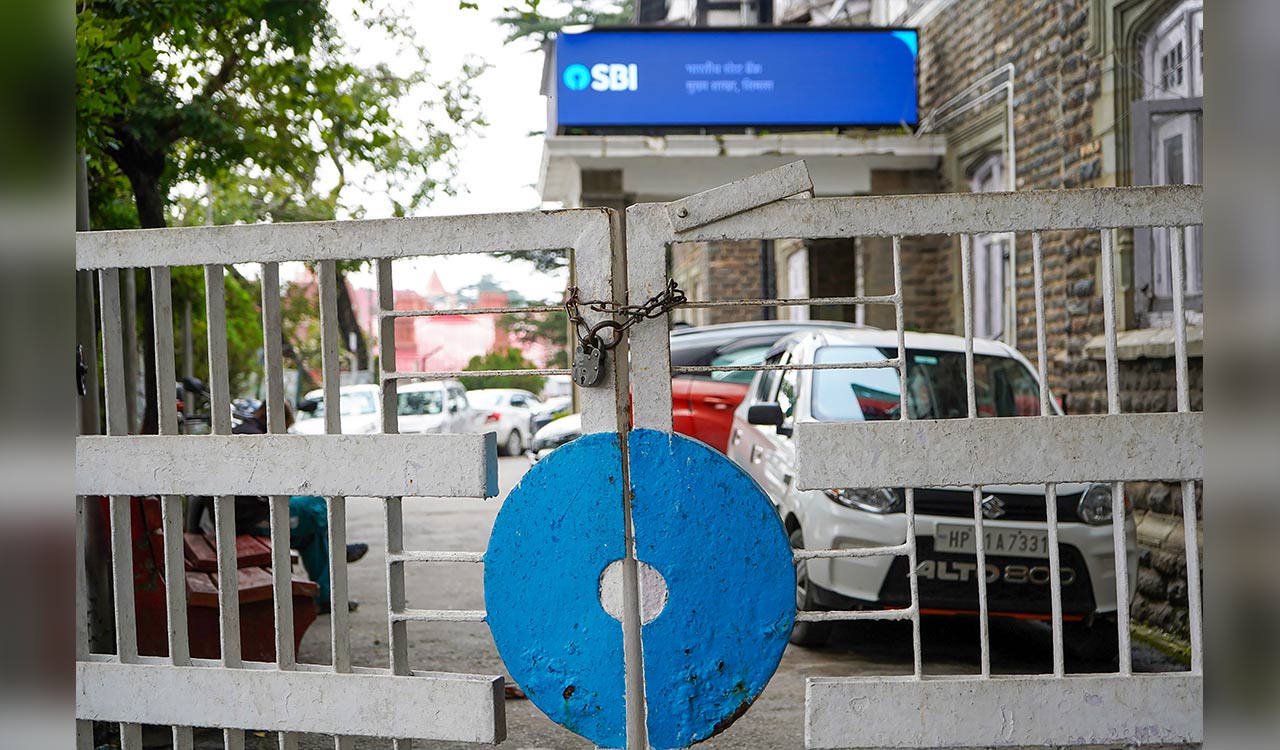
  • SBI data breach: PSU bank confirms 3,897 customer records exposed on dark web

    SBI data breach: PSU bank confirms 3,897 customer records exposed on dark web

Latest News

  • Mass shooting in Poland: Gunman opens fire in central Krakow, killing 6 people and injuring 15

    5 hours ago
  • Deepotsav 2026: Ayodhya glows with record 36 lakh earthen lamps

    5 hours ago
  • UNESCO denies ties with with Kolkata-based Mass Art in fake Durga Puja pass case

    6 hours ago
  • HCA members question interim Apex Council’s authority to take key decisions

    7 hours ago
  • Rewind: Gulliver’s Travels at 300 — of Beasts, Men and Others

    7 hours ago
  • Karimnagar: Differently-abled youth critical after suicide bid, alleges harassment by BJP corporator

    7 hours ago
  • Probe ordered into irregularities in Journalists Coop. Housing Society in Hyderabad

    35 minutes ago
  • Jagan condemns arrest of YSRCP MLC Appi Reddy, alleges misuse of power

    7 hours ago

company

  • Home
  • About Us
  • Contact Us
  • Privacy Policy

business

  • Subscribe

telangana today

  • Telangana
  • Hyderabad
  • Latest News
  • Entertainment
  • World
  • Andhra Pradesh
  • Science & Tech
  • Sport

follow us

  • Telangana Today Telangana Today
Telangana Today Telangana Today

© Copyrights 2024 TELANGANA PUBLICATIONS PVT. LTD. All rights reserved. Powered by Veegam

Telangana Today App