Bombay HC calls for restraint, bans firecrackers on public roads
The Bombay High Court banned firecrackers, loudspeakers, DJs and laser beams on public roads during festival processions in Maharashtra, criticised lax enforcement of noise pollution rules and called for greater restraint and more dignified, civilised celebrations
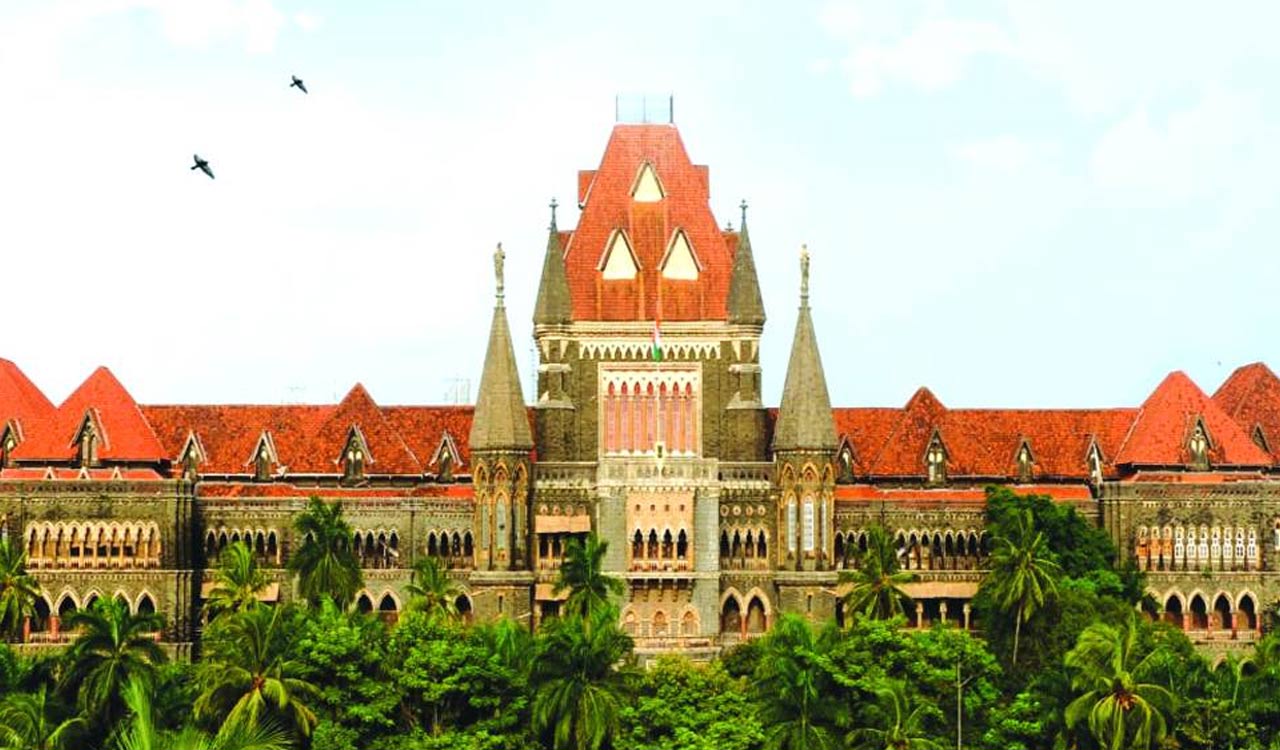


Mumbai: The Bombay High Court, while banning the bursting of firecrackers on roads during festivals, criticised the Maharashtra government for painting a rosy picture and chanting the ‘All is Well’ mantra, noting that rules on noise pollution were not being implemented.
The HC stressed the need for “total restraint” on loud music and called for a more dignified and civilised way of celebrating festivals.
There was “total laxity” on the part of the enforcement machinery in implementing the Noise Pollution (Regulation and Control) Rules, a bench of Justices Girish Kulkarni and Neela Gokhale held on Tuesday.
It ordered a complete ban on loudspeakers, DJs, laser beams and the bursting of firecrackers on public roads during festival processions.
The court had taken suo motu (on its own) cognisance of the issue of severe noise and air pollution caused during processions.
Such things were completely unwarranted and festivals can be celebrated without causing noise and air pollution, it remarked, while noting that a more dignified and civilised way of having these processions and celebrations was the imminent requirement of contemporary times.
“Are we going to get additional blessings from God by using all these loudspeakers and firecrackers? As a responsible society, we should put an end to all this. Take the Wari procession (annual pilgrimage on foot to Pandharpur) for example. It is carried out so peacefully with absolutely no loudspeakers or noise,” the HC noted.
In its order made available on Wednesday, the court said it could not accept the state government’s attempt at “painting a rosy picture and reciting the mantra of ‘All is well’.”
“We do not agree, looking at the ground realities which have at all relevant times in the past been a matter of serious concern in successive proceedings, and there is no change in such reality of brazen violations on this count,” the HC said.
Permissions granted by the police for such processions and other general orders banning the use of firecrackers, loudspeakers, laser beams and DJs at night remain a routine formality and are rendered ineffective by the inaction of the official machinery, thus permitting every kind of violation, it noted.
“It is high time that in large cities having dense population like Mumbai, Thane, Pune and Nashik where majority of the citizens are made to silently suffer such brazen violations, a regime of total restraint on the playing of loud music by use of loudspeakers, dhol tashas, use of cylinders and so on needs to be completely banned and a more dignified and civilised way of having these processions and celebrations is the imminent requirement of contemporary times,” the HC said.
The bench, while imposing a complete ban on the bursting of firecrackers on public roads, noted that none of the firecrackers openly sold has any indication of the noise decibel levels it would generate.
“There also appears to be no norms being implemented qua the extent of toxicity of the smoke generated upon their bursting. This, prima facie, appears to be an unregulated area,” the HC said, adding that bursting of firecrackers on roads is not only dangerous but also causes toxic pollution.
It also noted that the city of Mumbai faces severe air pollution during this time and a haze sets in for more than three months.
Apart from the ban on firecrackers and loudspeakers, the high court also directed authorities to take all steps to control noise decibel levels during processions and act against violators.
“All venues and processions that have taken permission from the police shall display the same prominently. This will apply to all festivals,” the court said.
It also suggested that the government may demand a hefty security deposit when permissions are sought for processions.

Related News
-

SC stays trial in defamation case against Rahul Gandhi over derogatory remarks against PM Modi
-
Telangana farmers, farm labourers return to migration amid water shortages, crop losses
-
Two held with 142.8 kg of ganja worth Rs 71.40 lakh in Sangareddy
-
Canada sends largest trade mission to India in 30 years