Editorial: Collapse of the Climate Summit
As the climate crisis intensifies, consensus-building cannot remain a permanent shield for countries unwilling to act
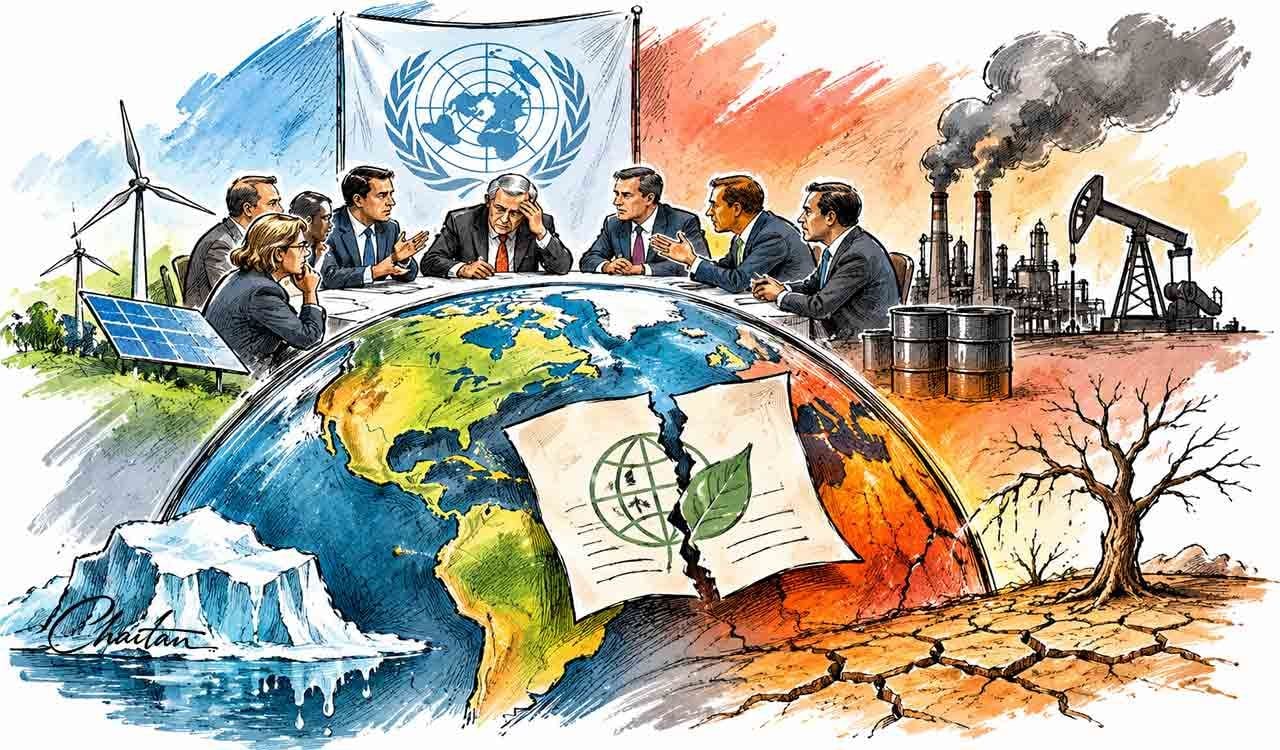


The collapse of the UN climate summit—COP31 (Conference of the Parties) — is a terribly frustrating development, though not entirely unexpected. The gathering of world leaders for the Summit, held in Antalya, Türkiye, ended without reaching a consensus on a final agreement. What is shocking is that the proposed text could not even name the principal cause of global warming: fossil fuels. On the central political agreement, the Antalya Pact, countries could not bridge differences over including language on fossil fuels. The European Union, several Pacific island states and other governments rejected the proposed text, while oil-producing countries resisted stronger language. After three decades of annual summits, this was the first such breakdown since 2009. The summit could not agree on how to implement the agreement reached at COP28 in Dubai in 2023 to transition away from fossil fuels in energy systems. What should have been the starting point for action became the point at which diplomacy broke down. The collapse of negotiations involving nearly 200 countries came amid soaring global temperatures and humanity’s collective failure to limit the rise in global temperatures to 1.5 degrees Celsius above pre-industrial levels, as envisioned under the Paris Climate Summit Agreement. Responsibility for the breakdown lay principally with petroleum-producing nations resisting a transition away from fossil fuels and wealthy nations unwilling to provide adequate financial support for it. Rich nations also failed to put a figure on how much more money could be given to developing countries to help them adapt to climate change.
This is despite an existing commitment made last year to triple the figure by 2035 from $40 billion. If governments cannot even agree to reaffirm commitments they have already made, it raises troubling questions about their ability to work together as the climate crisis intensifies. The writing on the wall is clear: global climate diplomacy is struggling to match the urgency of the environmental crisis. While scientific evidence increasingly warns of irreversible climate damage, political leaders remain reluctant to make meaningful commitments. The refusal of major fossil fuel-producing nations, such as Saudi Arabia, to support stronger language on transitioning away from coal, oil and gas has once again overshadowed collective responsibility. India’s concerns about climate finance and the principle of Common but Differentiated Responsibilities highlight an essential truth: climate justice cannot exist without fairness. India’s expanding renewable energy capacity demonstrates that domestic progress is possible even when international negotiations falter. Clearly, the credibility of the United Nations climate process now demands urgent reform. Consensus-building cannot become a permanent shield for countries unwilling to act. Smaller, ambitious coalitions may help accelerate progress, but global cooperation remains indispensable. The world is sitting on a ticking time bomb. COP31 should serve as a timely wake-up call. The climate crisis is getting worse, and the onus is on governments to take decisive action before it is too late.
Also Read

Related News