Budget 2026: Farmers seek higher MSP and better crop insurance
As Finance Minister Nirmala Sitharaman prepares to present the Union Budget, farmers across India seek higher MSP, better insurance, improved irrigation and wider market access. Farmer groups have raised concerns over falling subsidies and rising costs
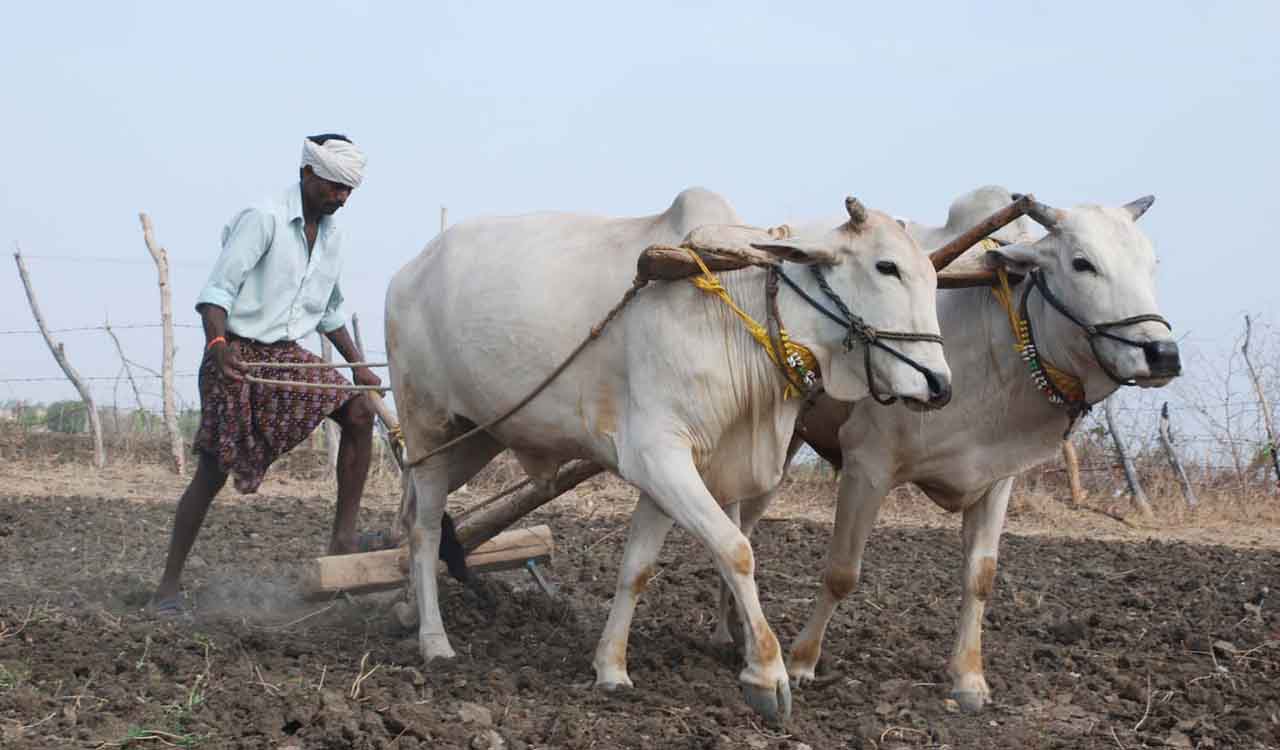


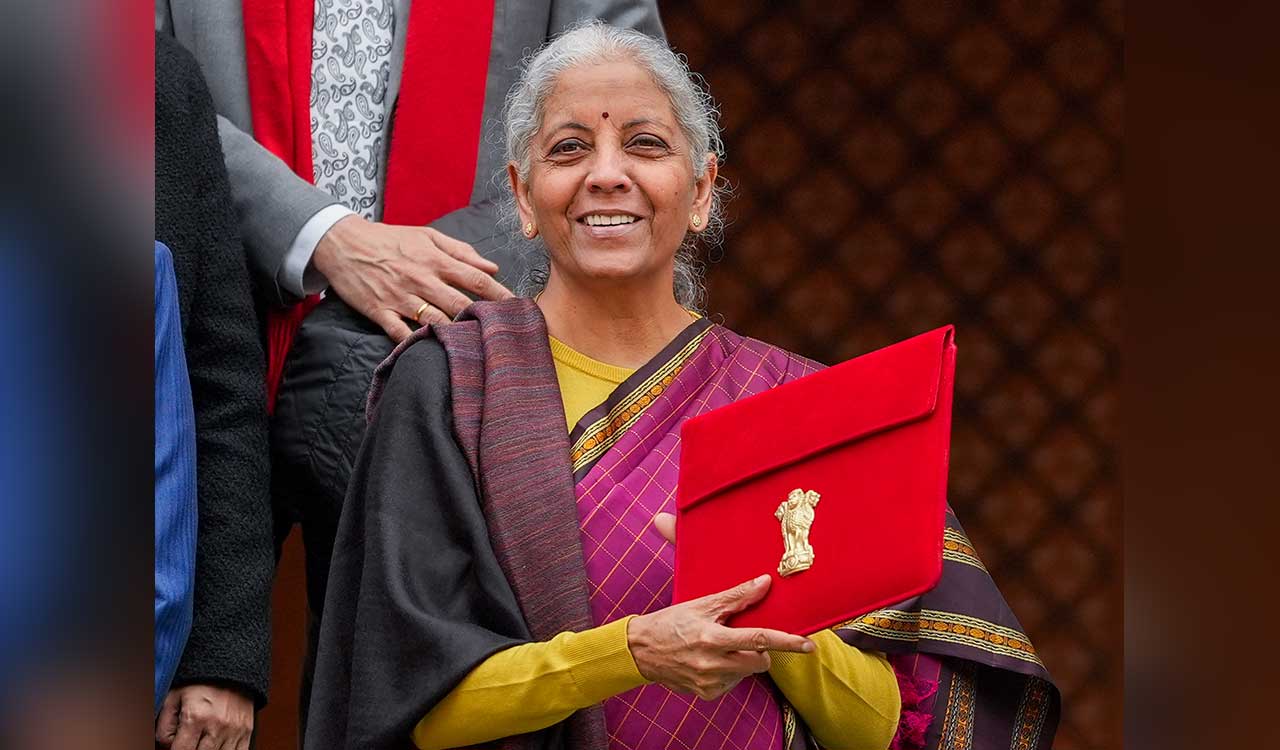
New Delhi: When Finance Minister Nirmala Sitharaman rises to present her ninth consecutive budget on Sunday, February 1, farmers across India look ahead for a mix of assurances that range from subsidies, a guarantee on a profitable Minimum Support Price (MSP), expanding credit access, investing in modern technology and infrastructure, to providing climate-resilient support.
She has repeatedly assured that Prime Minister Narendra Modi firmly believes to focus on four major castes – ‘Garib’ (poor), ‘Mahilayen’ (women), ‘Yuva’ (youth), and ‘Annadata’ (farmer).
India protects its farmers through a mix of budgetary support, targeted schemes, and institutional reforms. The agriculture budget has steadily increased over the past decade, and most farmers benefit from direct income transfers, crop insurance, access to credit, and subsidised inputs.
Budgetary allocations to the Department of Agriculture and Farmers’ Welfare (DA&FW) have risen from Rs. 21,933 crores in 2013–14 to Rs. 1.27 lakh crore in the Budget Estimates (BE) for 2025–26. Agricultural expenditure is also channelled through several ministries, which include irrigation, renewable energy, fertilisers, rural employment, and research. This demonstrates consistent fiscal commitment and highlights an evolving whole-of-government strategy.
Allocation has more than doubled since 2018, underscoring the government’s priority to strengthen farm incomes and resilience. However, agriculture’s share within the growing public expenditure framework is steadily declining.
“We’ll build up our ongoing demand for MSP. Meanwhile, fertiliser subsidy is going down, irrigation facilities need improvement; also, farmers are not being compensated for crop loss due to natural disasters like flood and drought,” stated P. Krishnaprasad, a Left-leaning farmer leader associated with the Samyukta Kisan Morcha (SKM).
When pointed out that the PM Fasal Bima Yojana was launched specifically for this purpose, to provide affordable insurance against crop loss due to droughts, floods, and pests, he cited instances where the scheme is lacking in delivery.
Insisting on a price guarantee, Krishnaprasad cited a recent incident in which growers were forced to sell onions for between 50 p. and Rs. 2, claiming he was buying the same product in Delhi for as much as Rs. 35-50 a kilo.
“The government should monitor and assure farmers a profit, rather than the middlemen benefitting,” he urged. Incidentally, onion is not among the 22 crops covered under MSP.
Meanwhile, the Bharatiya Kisan Sangh (BKS) is demanding easier and wider market access for growers, rather than a guaranteed base price.
“The average input expense of, say, farmers in Odisha or West Bengal will not be the same as that in Punjab, for example. In case of uniform MSP, what may profit the former may not even meet the expenses of the latter,” argued BKS General Secretary Mohini Mohan Mishra. “Rather open market access so that they can have easy means to sell their produce, and have more options,” he added.
The farmers’ body affiliated with the Rashtriya Swayamsevak Sangh (RSS) is also seeking a review of GST on pumps and pipes used in irrigation, support for organic farming, and controlled imports of pulses and oilseeds to ensure India’s self-sufficiency in these products.
Additionally, the BKS wants the government to encourage smallholding or landless farmers to diversify into animal- and bee-keeping or mushroom cultivation to sustain themselves. It has also sought budgetary allocation for agri education and research, rather than depending on global tie-ups.
Despite the government supporting its farmers through MSP, affordable insurance cover, subsidies, and direct income transfers, small and marginal farmers owning less than 2 hectares, who comprise over 80 per cent of India’s farmers, face unique vulnerabilities.
The way forward may lie in broader policy changes rather than dole-outs. India’s farmers now wait for Sunday’s budget pledges.

Related News