
Budget proposes major overhaul of buyback tax rules
Finance Minister Nirmala Sitharaman has proposed major changes in buyback taxation, taxing them as capital gains and imposing higher rates on promoters. Experts say the move may push companies to prefer dividends and capital spending over buybacks
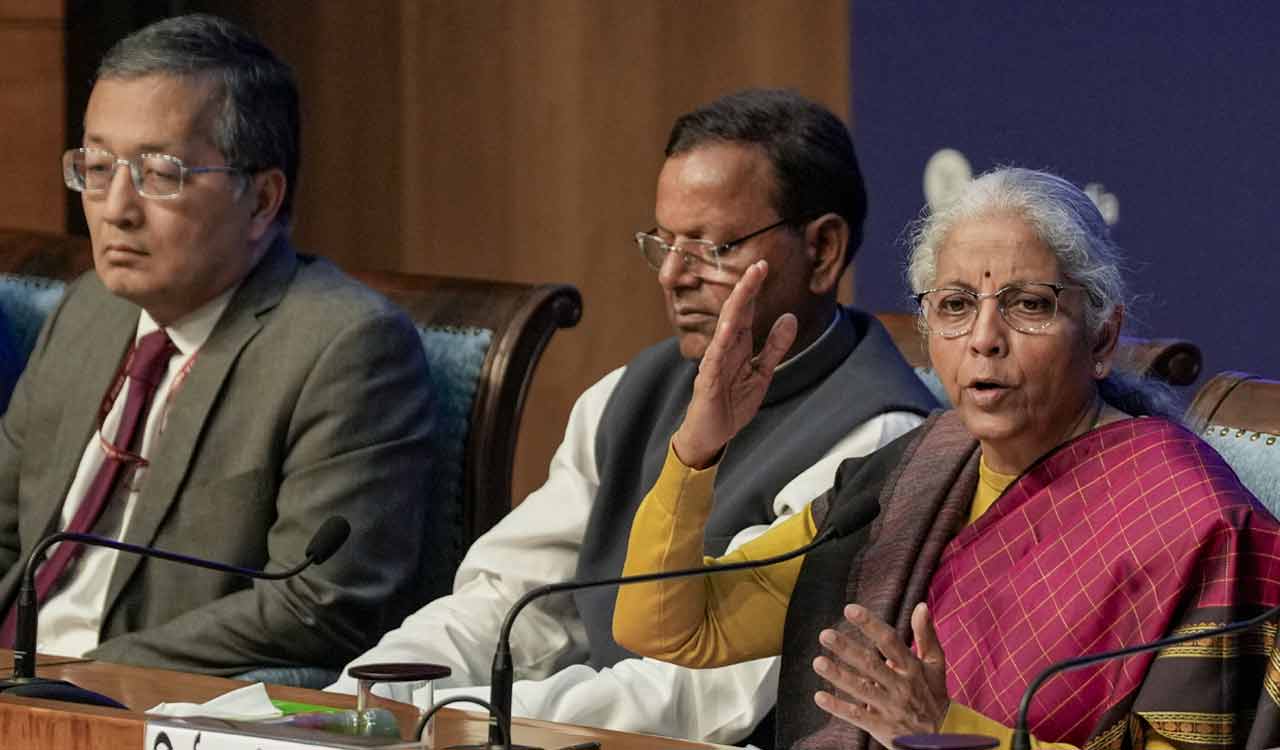


New Delhi: In a move to protect minority shareholders and curb tax arbitrage by promoters, Finance Minister Nirmala Sitharaman on Sunday proposed a major overhaul of the taxation framework governing share buybacks.
Presenting the Union Budget 2026-27, Sitharaman said that buybacks will be taxed as capital gains for all categories of shareholders. To discourage misuse of tax arbitrage, promoters will be subject to an additional buyback tax, raising the effective tax rate to 22 per cent for corporate promoters and 30 per cent for non-corporate promoters, she stated.
Sitharaman said, “Change in taxation of buyback was brought in to address the improper use of the buyback route by promoters.”
Market experts believe that the higher tax burden on promoters may lead companies to reassess their capital allocation strategies between dividends and buybacks.
Roop Bhootra, Whole-time Director, Anand Rathi Share and Stock Brokers, said the proposed move is a positive for individual shareholders as tax liability reduces from 30 per cent (highest slab rate) to capital gains rates (short-term 20 per cent and long-term 12.5 per cent), and negative for corporates as it discourages buybacks and pushes companies to use reserves for capital expenditure and or R and D.
“Revamp of the buyback tax framework and the rise in STT (Securities Transaction Tax) on futures and options will influence investor behaviour and short-term sentiments,” Parizad Sirwalla, Partner and Head, Global Mobility Services – Tax, KPMG in India, said.
In market parlance, buyback tax is a kind of tax levied on companies that buy back their own shares from shareholders. Generally, governments impose this tax to restrain firms from distributing profits to shareholders through share buybacks rather than paying dividends.

