Canada moves to revoke Tahawwur Rana’s citizenship ahead of Carney’s visit to India: Report
Ahead of Prime Minister Mark Carney’s India visit, Canada has moved to revoke Tahawwur Rana’s citizenship, alleging he misrepresented residency details during his application. Extradited to India in 2025 for his role in the 26/11 Mumbai attacks, Rana is contesting the decision in court
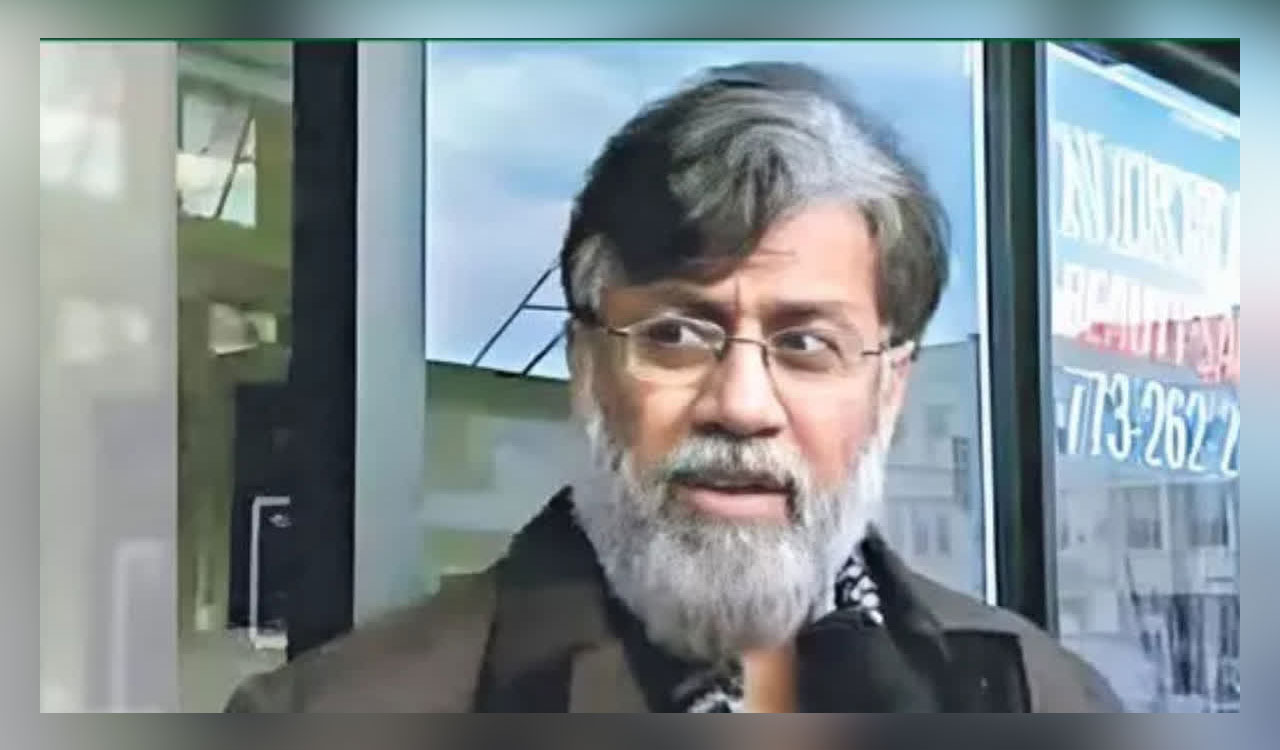


Toronto: Ahead of Prime Minister Mark Carney’s visit to India, the Canadian government is pushing to revoke the citizenship of a Pakistan-born businessman, Tahawwur Rana Hussain, accused of playing a key role in the 2008 Mumbai terror attack.
Rana, 64, is a Pakistan-born Canadian national and close associate of one of the main conspirators of the 2008 Mumbai terror attacks, David Coleman Headley, alias Daood Gilani, a US citizen.
Documents obtained by Global News show that immigration officials have notified Rana that they intend to strip him of the Canadian citizenship he acquired in 2001.
He immigrated to Canada in 1997 and was later convicted in the US of plotting to attack staff at a Danish newspaper.
Rana, the mastermind behind the 26/11 attack, which killed 166 people, was extradited from the United States to India in April 2025. He was arrested by the National Investigation Agency (NIA) as soon as he landed in New Delhi.
In its decision, Immigration, Refugees and Citizenship Canada (IRCC) wrote that Rana’s citizenship was being revoked not for terrorism, but rather because he lied on his application form, the report added.
When Rana applied for citizenship in 2000, he claimed to have lived in Ottawa and Toronto for the previous four years, with only a six-day absence from the country, the IRCC wrote in a report.
An RCMP investigation, however, determined he had actually spent almost that entire time in Chicago, where he owned several properties and businesses, including an immigration firm and a grocery store.
The revocation decision accused him of “a serious and deliberate deception,” and said his “lack of respect for the citizenship laws of Canada” had led immigration officials to wrongly grant him citizenship.
“Yours is a case in which it appears that you misrepresented your residence in Canada during the application process for citizenship by deliberately failing to declare your absences from Canada,” IRCC wrote to him on May 31, 2024.
“Your misrepresentation led decision makers to believe that you had met the residence requirements for citizenship, when it appears you had not.” The government said it was referring his case to the Federal Court, which has the final say on whether citizenship was obtained by “false representation or fraud or by knowingly concealing material circumstances.” A Toronto immigration lawyer representing Tahawwur Rana, also known as Tahawwur Hussain Rana, has appealed the decision, arguing it was unfair and violated his rights, the Global report added.
A hearing related to the revocation was held in Federal Court last week.
Government lawyers asked the court on December 19 for permission to withhold sensitive national security information from the case.
An immigration department spokesperson told Global News that cancelling citizenship for misrepresentation was “an important tool for maintaining the integrity of Canadian citizenship.” To ensure the process is fair, the Federal Court makes the final decision in such cases, Mary Rose Sabater said.
“The Government does not take the revocation of citizenship lightly.” She said she could not say how many such revocations had occurred because the department did not track them, but a review by Global News identified only three such decisions in the past decade.

Related News
-

Fire at military base in Alberta: Canadian defence minister says fatalities, injuries reported
-
Canada aims to seal trade pact during PM Modi’s visit: Indian envoy
-
India, Canada preparing to take ties to ‘higher level’: Jaishankar
-
PM Modi expected to visit Canada in December, looking forward to hosting him: Mark Carney