CBSE three-language policy sparks concern among parents, educators
Parents and educationists have raised concerns over CBSE’s sudden implementation of the three-language policy for Class 9 from July 1, citing academic disruption, limited preparedness, teacher shortages, reduced language choice, and increased stress on students midway through the school session



New Delhi: Concerns have been raised over the implementation of the CBSE’s three-language policy for Class 9 by a section of educationists and parents who have questioned the timing of the changes and the preparedness of schools, as the academic session is already well underway.
The Central Board of Secondary Education (CBSE) on Friday made three languages, including at least two native Indian languages, compulsory for Class 9 students from July 1 this year, even as schools had already begun classes and unit tests for the new academic session.
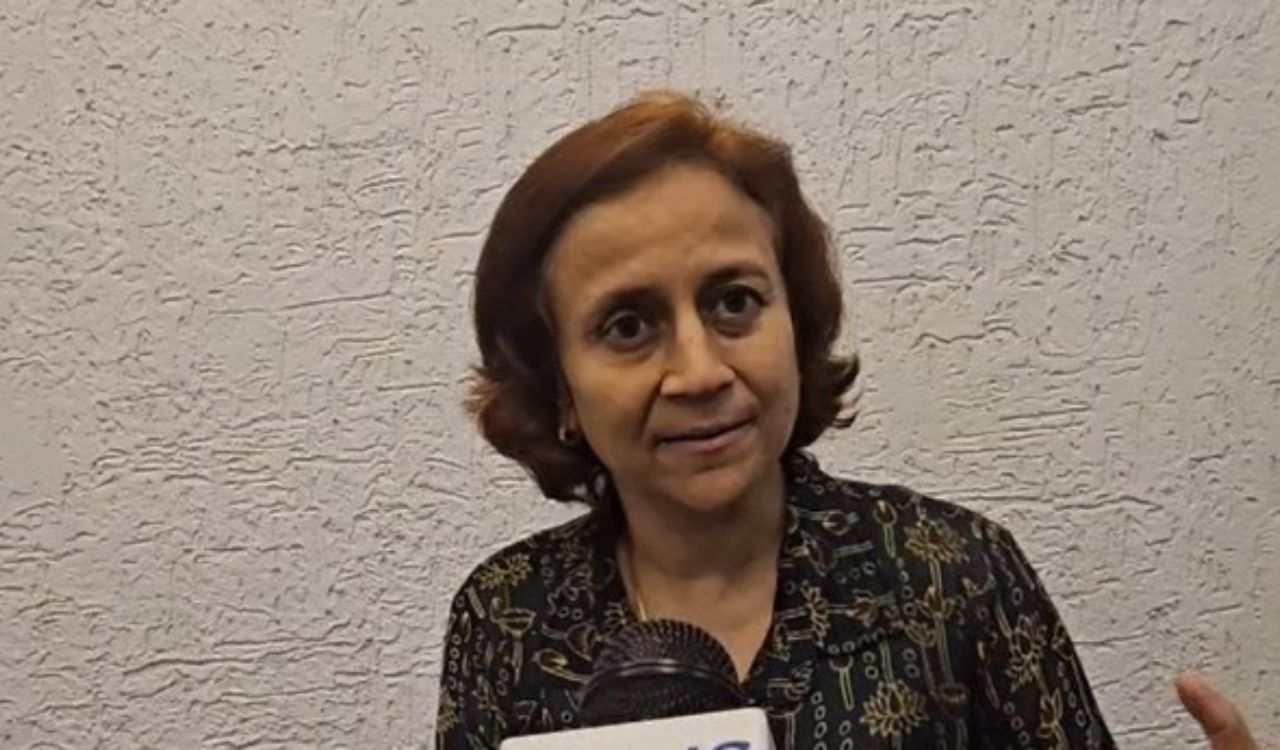
Mount Abu School Principal Jyoti Arora termed the implementation “very sudden”. She also said greater clarity was needed on the status of English within the policy framework to ensure smooth implementation.
Though the three-language formula introduced by the CBSE is in sync with the National Education Policy, “which is a very progressive document”, its implementation after the academic session had already begun has created “a sense of restlessness” among stakeholders, Arora told PTI.
Roji Devi, mother of a Class 9 student, said, “My son has opted for French as the second language with English as the first language in one of the top schools in Delhi. Unit tests for both English and French for 40 marks have been completed and suddenly he has to leave one of these two under the new CBSE guideline.” “Why has CBSE issued these guidelines just now, after 45 days into the new session? You are allowing something first and saying two months later that you can’t do it. Had the CBSE issued the guidelines in March, we would have prepared or even looked for other options. Isn’t democracy about informed choices? Isn’t the CBSE’s decision arbitrary?” she said.
A key shift in the curriculum is the classification of English as a foreign language, with the Board allowing only one foreign language within the three-language framework. This could restrict students from choosing both English and another foreign language as their second and third languages.
“My daughter had taken French as her third language from Class 6, and she was clear that in Class 9 she would continue with English and French. She never focused much on Hindi because students earlier had the flexibility to choose any two languages in Classes 9 and 10,” said Tina Singhal, parent of a Class 9 student.
“Now suddenly, she may have to drop French despite having a genuine interest in it. She has been preparing for French for months, and now there is pressure on children because they have to manage an additional language,” she said.
The parent also pointed to logistical issues with the implementation of the policy, saying schools may not practically offer all language choices. “They are saying students can take an additional language, but it depends on schools whether they provide that option or not,” she said, adding that they may have to take Hindi in the absence of choices.
Calling for a gradual transition, Singhal said, “These changes should not have been introduced suddenly in Class 9. Children are already dealing with syllabus and book changes, and now this has added more stress for both students and parents.
Arora also said that with unit tests already concluded, schools would face practical challenges related to the availability of language teachers, timetable restructuring and academic adjustments.
She also voiced concern over students being asked to study a new language in Class 9 without prior exposure. “Suppose I introduce Sanskrit as a third language. Children who have not studied Sanskrit in Classes 6, 7 and 8; how are they going to cope with the third language?” she said.
On CBSE’s suggestion that Class 9 students may temporarily use Class 6 textbooks for the third language, Arora said, “That is the only solution to introduce the language. Those who are new learners for R3 (third language) will have to start with the basics … .” Backing the broader intent of the NEP, she, however, questioned the timing of the move.
“We really don’t mind anything new as a policy matter and we are always with the National Education Policy. The problem is why not at the beginning of the session? In the middle of the session, many changes and difficulties come,” she added.
Educationist and career counsellor Keshav Aggarwal also questioned the timing of the move. “Books have not come yet for all classes. Three languages are already posing difficulty to students at many places, and then this bomb is dropped on parents. Failing to plan is planning to fail. When will CBSE learn this?” he said.
“Language policy is welcome. Forcing a child to learn is not joy; it is enforcement. Inclusive education means giving the child a free choice. The moment you remove choice, inclusion loses its meaning,” Aggarwal added. Similar apprehensions were also raised on social media.
“CBSE already follows the three-language formula, and the new policy only adds flexibility. But do schools actually have the infrastructure to offer multiple languages properly? If not, will parents end up arranging language learning outside school? Has this been factored in?” parent Sonia Dang said in a post on X. Others questioned the additional academic burden on students.
“It’s too much unnecessary pressure on students. Class 9 is already tough and marks a steep jump from Class 8. What is this craze about two native Indian languages and then a third subject too on top of that?” X user Ruchi Angrish said.

Related News