Climate change images are getting scarier – could fear help drive action?
Climate change images showing wildfires, drought and extreme heat can make the crisis more immediate and emotionally powerful. Research suggests such negative imagery may cause disengagement but can also raise awareness, encourage environmental involvement and motivate action when impacts feel local
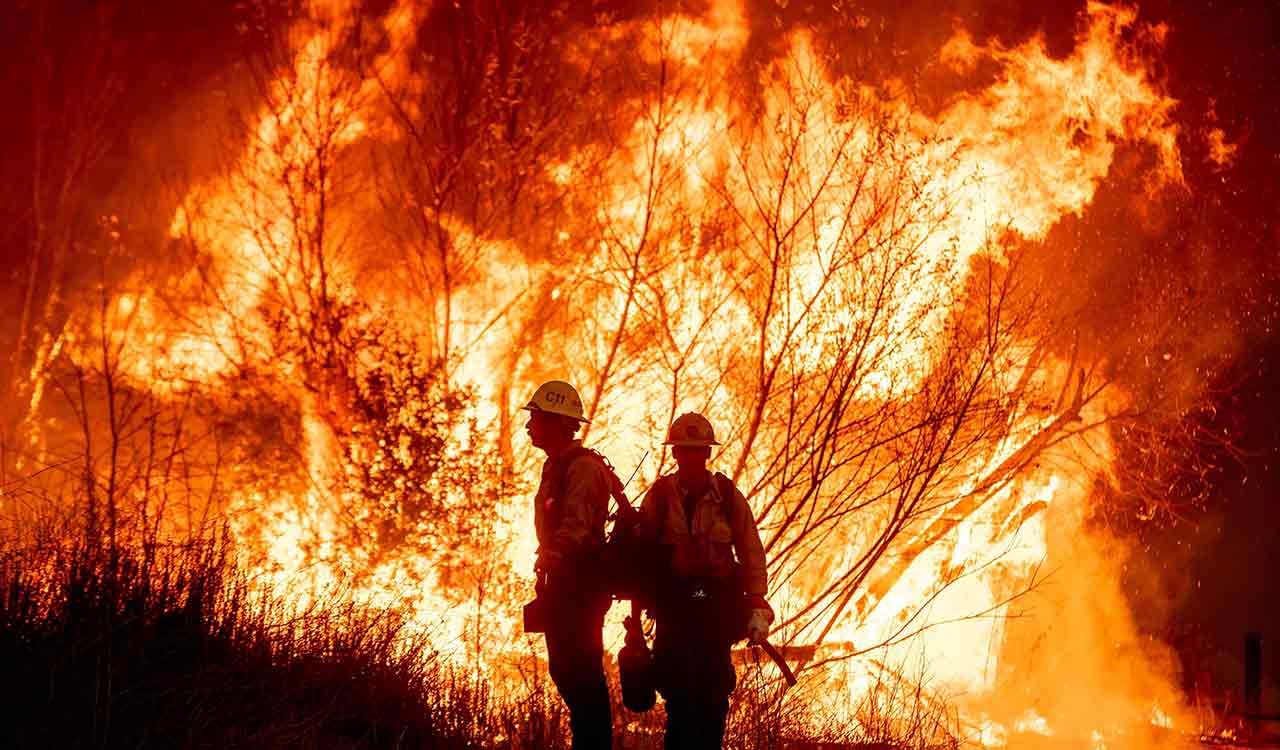


Lund: Over the summer, Europe provided a stark new set of images of climate change. Wildfires raced across forests and grasslands, rivers and reservoirs dried up in droughts and extreme heat disrupted everyday life.
Instead of the familiar photographs of people enjoying days at the beach, coverage of heatwaves increasingly comes with images of their consequences.
Moreover, issues such as drought and the knock-on challenges for water conservation and food security are not reserved for distant countries, but now the impacts are unmistakably at home on our own doorstep. Tragically, this has also resulted in the loss of life and property.
How these effects are depicted through images, like the photographs we have been seeing in the media, matter for how people think about and act around climate change. This raises questions regarding how climate fallout in the UK and Europe is visually communicated through images and what affects these images may have on their viewers.
Images are powerful tools
Images can be powerful communicative tools as they can be “read” more quickly than text and can sometimes be more emotionally evocative in ways that might also inspire action.
They are also open to different interpretations: the same image will not necessarily mean the same thing to everyone. Research suggests, however, that images can be particularly engaging when they provide a window into human-centred stories, or depict places that viewers recognise.
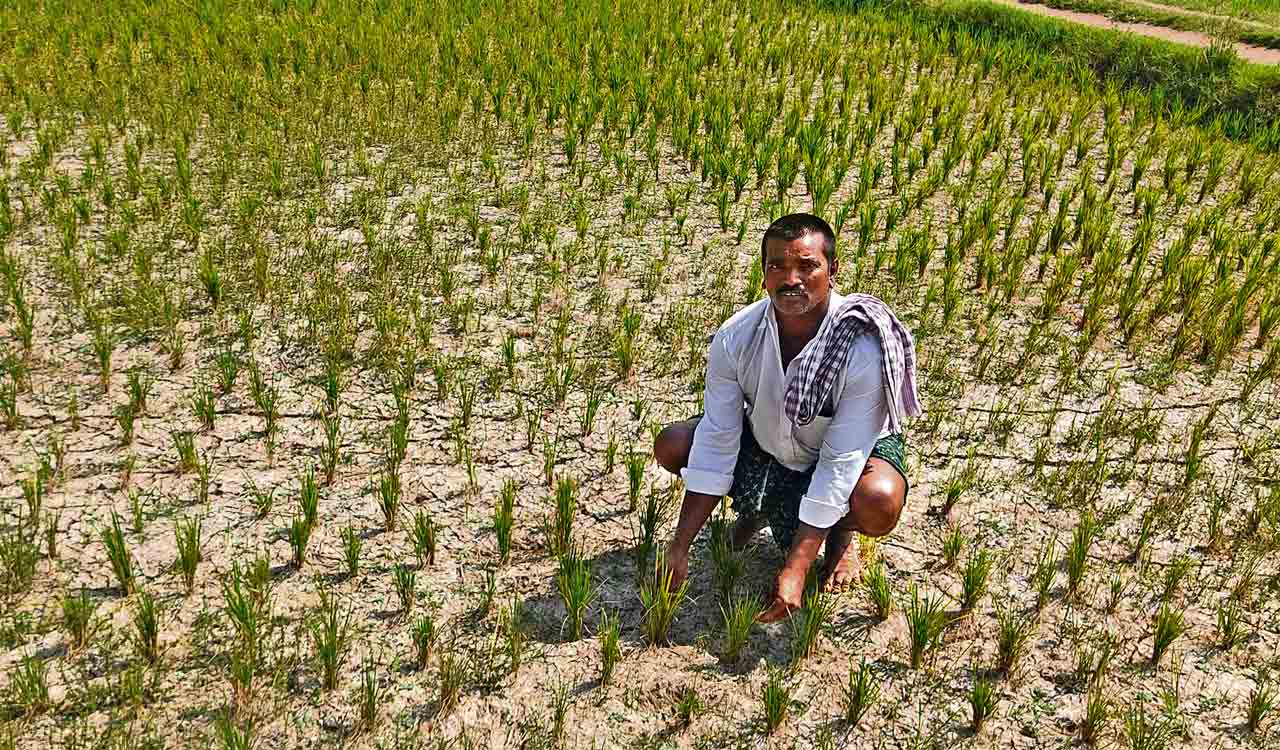
For climate change, images of parched grass, low river levels, fires and other visible effects can make the changing climate feel more immediate and emotionally resonant. The question is what viewers do with these feelings, and whether they prompt concern and action.
Fear and disengagement
There is a risk, however, that images conveying a sense of fear, threat and vulnerability may contribute to disengagement from climate change.
When faced with large-scale repercussions that can seem beyond our control, viewers may feel overwhelmed or powerless. If climate change appears too big and complex a problem for personal action to make a difference, it can become easier to disengage entirely and believe that any changes they could make would amount to a drop in the ocean.
Images of fires and evacuations seen across Europe this summer could therefore have this effect. They risk feeding disengagement by making the scale of the climate crisis clear, while simultaneously leaving viewers feeling there is little they can do about it – and there is no reason to even try.
An opportunity?
This need not always be the case, however. My recent research has indicated that climate impact images bearing these negative themes of threat and vulnerability hold potential to raise awareness, influence attitudes and promote involvement in environmental and climate organisations as examples.
I analysed 724 images posted by 20 environmental campaign groups including Greenpeace and Extinction Rebellion and assigned them to certain themes such as conservation, protest, vulnerability or threat. I then used six representative images and surveyed members of campaign groups, asking participants how each image made them feel and whether the image was a useful form of climate communication.
Images depicting threat and vulnerability – such as photos of wildfires or polar bears – produced the strongest negative emotions, but were also judged particularly useful.
In other words, images of negative or anxiety-inducing climate consequences at home may have a role beyond simply serving as a reminder of climate change’s severity. They also represent visual materials that could spur people to push for much needed action.
This potential to underscore the importance of action in the present may be further strengthened by how these images show us the effects of climate change in the places that we know, and communicate human stories of loss and vulnerability from within our own communities. Both can make images and the challenges they depict more salient to viewers.
The climate changes experienced in Europe, and the ways these are witnessed through images, could therefore represent an opportunity to engage with people meaningfully about the climate crisis unfolding before us, while encouraging action to prepare for the future.
Understanding how these images influence the way people think about and act on climate change will become increasingly important. This is especially true as we encounter visual reminders of the climate crisis closer to home more often not only over this, but also future, summers.

Related News