Could refrigerated atta dough be causing bloating?
Nutritionist Shweta Shah says digestive issues often blamed on wheat may actually be linked to refrigerated atta dough. She explains how prolonged storage can alter gluten and texture, and shares simple tips for better digestion, fresher rotis and improved gut health.
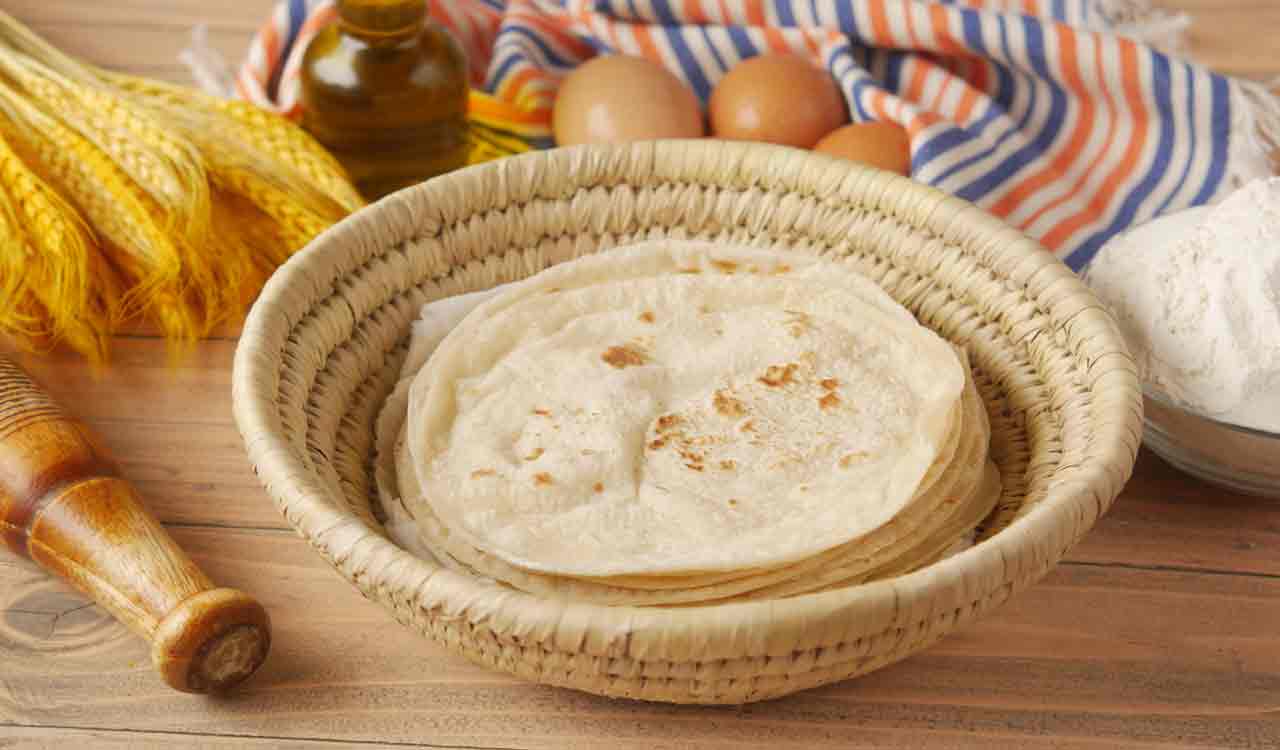


For many households, kneading extra dough and storing it in the refrigerator is a daily convenience. But according to nutritionist Shweta Shah, this common practice may be one of the reasons behind digestive discomfort that many people associate with wheat.
In an Instagram video, Shah suggested that the issue may not be wheat itself, but the way it is used. “Most people think wheat is the problem, but actually, our habits are the problem. The biggest mistake? Making dough in the morning and using it at night or keeping atta dough for 10 to 48 hours in the fridge,” she said.
View this post on Instagram
According to Shah, when water remains mixed with atta for too long, excess gluten gets released, making the dough stretchier, chewier and harder to digest. Over time, stored dough may also begin to ferment and develop slight acidity, which can contribute to issues such as bloating, gas, acidity and a feeling of heaviness after meals. As the gluten structure becomes tougher, the digestive system may have to work harder to break it down.
People who often feel that wheat does not suit them may actually be reacting to stale dough rather than wheat itself. “One should always make fresh dough and use it within 10 to 15 minutes,” Shah advised.
She also recommends using freshly kneaded dough whenever possible instead of preparing large batches in advance. Fresh dough helps retain the natural quality of the flour and may be gentler on digestion. Similarly, fresh atta retains its natural oils, aroma and nutrients, while prolonged storage can reduce its freshness, flavour and nutritional quality. For better digestion and softer rotis, using freshly milled atta and freshly kneaded dough may be the way to go.
Tips for softer rotis and better digestion
• Prepare the dough fresh and use it within 10 to 15 minutes.
• Choose older wheat varieties such as khapli or sharbati, which many people find easier to digest.
• Add a teaspoon of oil to the flour before mixing water to help reduce excessive gluten development.
• Store atta in small batches and finish it within a month for best results.
• Avoid keeping dough in the refrigerator for long hours, as it can alter the texture and taste.

Related News