Cyberabad plans 7-km counterflow BRT pilot to ease congestion on IT corridor
Cyberabad Traffic Police and civic authorities are planning a 7-km counterflow Bus Rapid Transit (BRT) pilot on the JNTU-Hitec City-Raidurgam-Financial District corridor to improve bus travel times and reduce congestion.
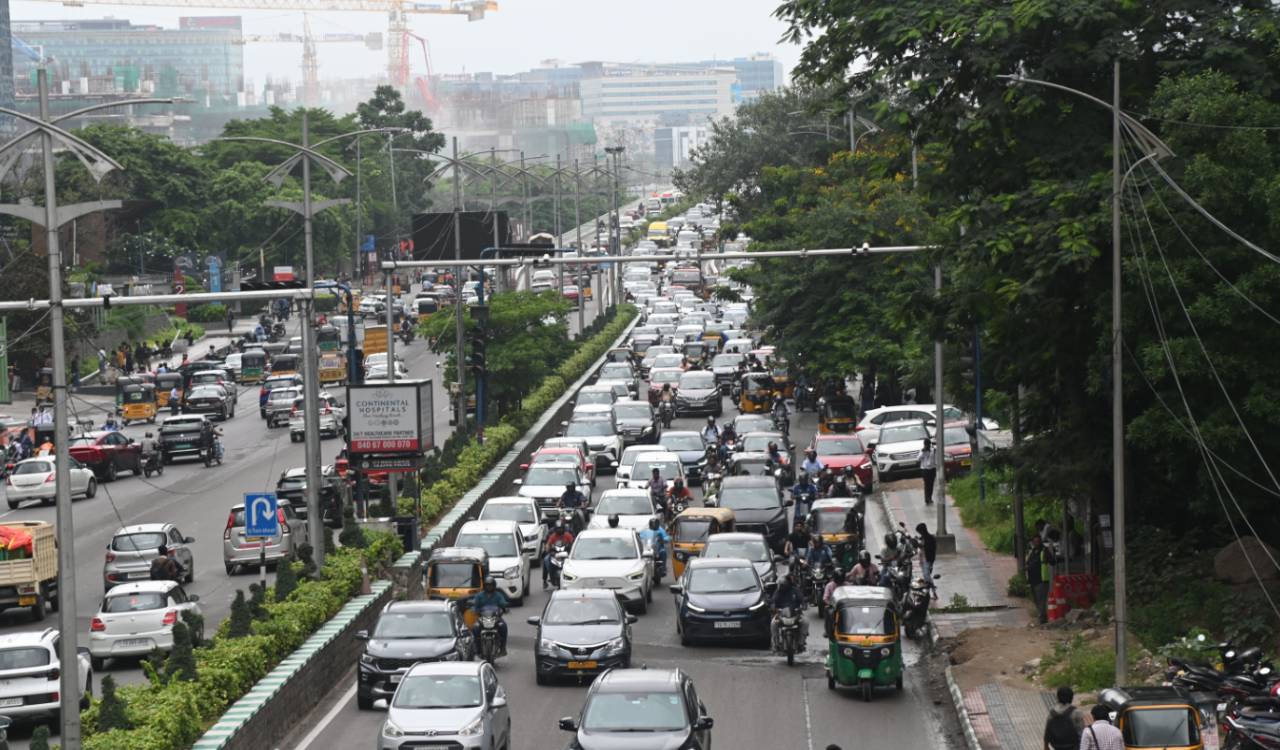


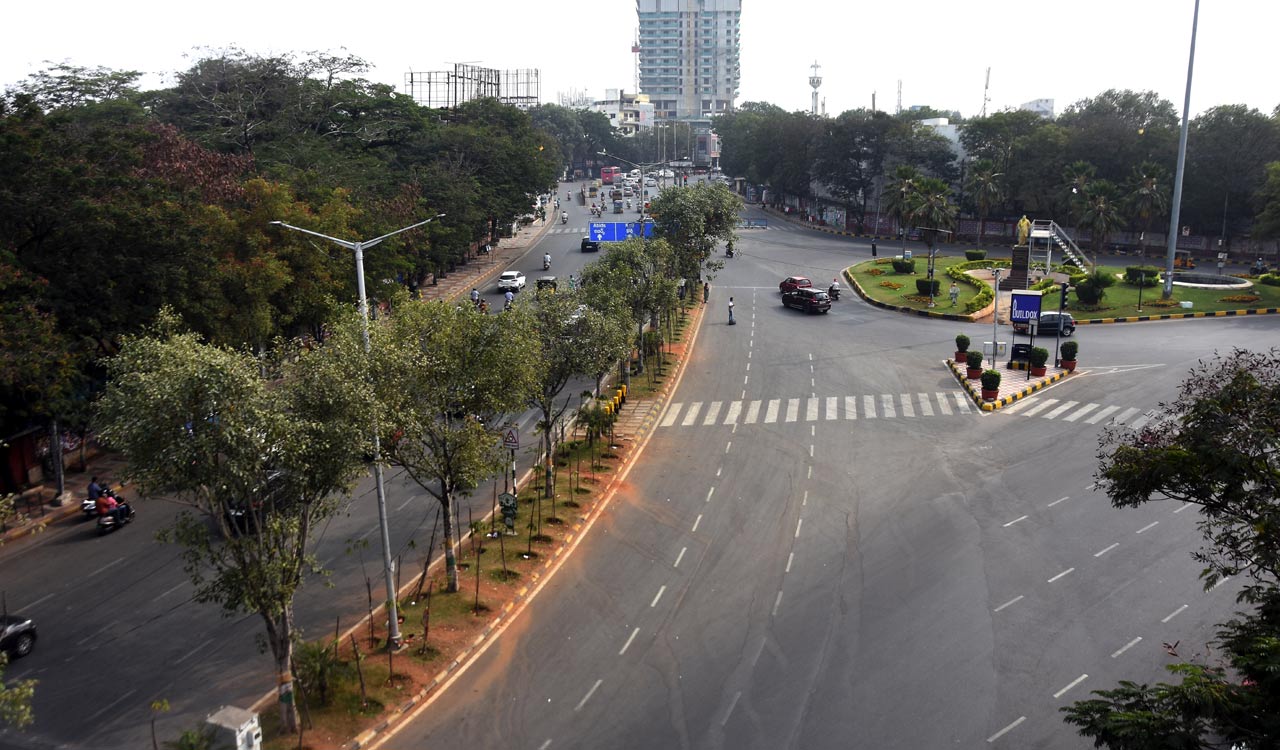
Hyderabad: In a bid to reduce peak-hour congestion and make public transport faster, the Cyberabad Traffic Police along with civic authorities are gearing up to test a counterflow Bus Rapid Transit (BRT) arrangement for TGSRTC buses along the busy JNTU–Hitec City–Raidurgam–Financial District corridor.
The proposed 7-km pilot aims to provide buses with a dedicated path through congested stretches by allowing them to travel opposite to the normal direction of general traffic. The objective is to reduce delays caused by traffic queues and improve journey-time reliability for commuters travelling to the IT hub.
How will the system work?
Unlike conventional bus lanes, which follow the direction of other vehicles, a counterflow lane allows buses to move against the regular traffic flow. The designated section would be reserved exclusively for buses, with appropriate traffic controls, lane markings and safety measures to prevent conflicts with other vehicles.
The arrangement requires careful planning of bus entry and exit points. Buses would eventually have to merge with regular traffic, making the design of these transition points crucial to the system’s success. The Raidurgam Metro Station junction is expected to be a key focus of the trial.
Officials are examining traffic movement, merging conditions and potential conflict points to ensure that the dedicated lane does not create fresh bottlenecks.
Can it improve bus services?
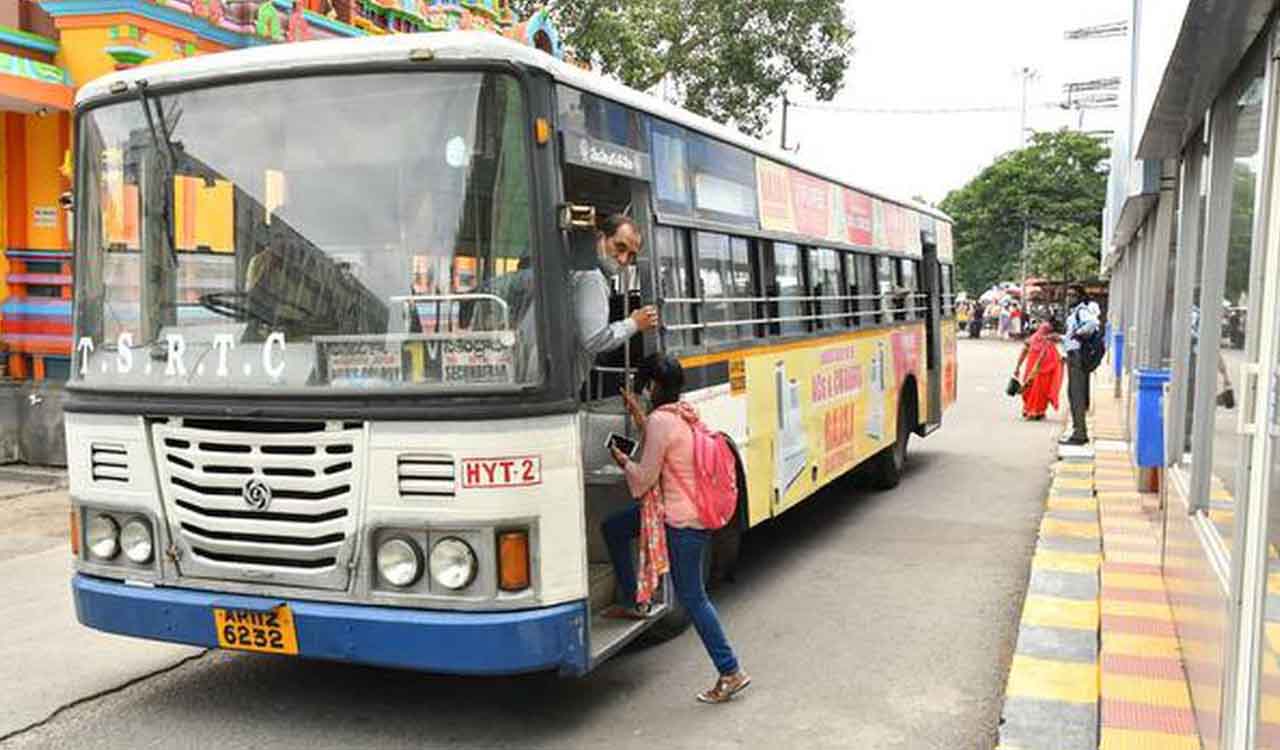
Around 15 buses currently operate along the corridor every hour, according to TGSRTC officials. RTC authorities are assessing whether additional services can be introduced and accommodated within the proposed arrangement.
The proposal follows a traffic assessment conducted by the Foundation for Resources and Innovations Policy (FRIP), in coordination with the Society for Cyberabad Security Council (SCSC).
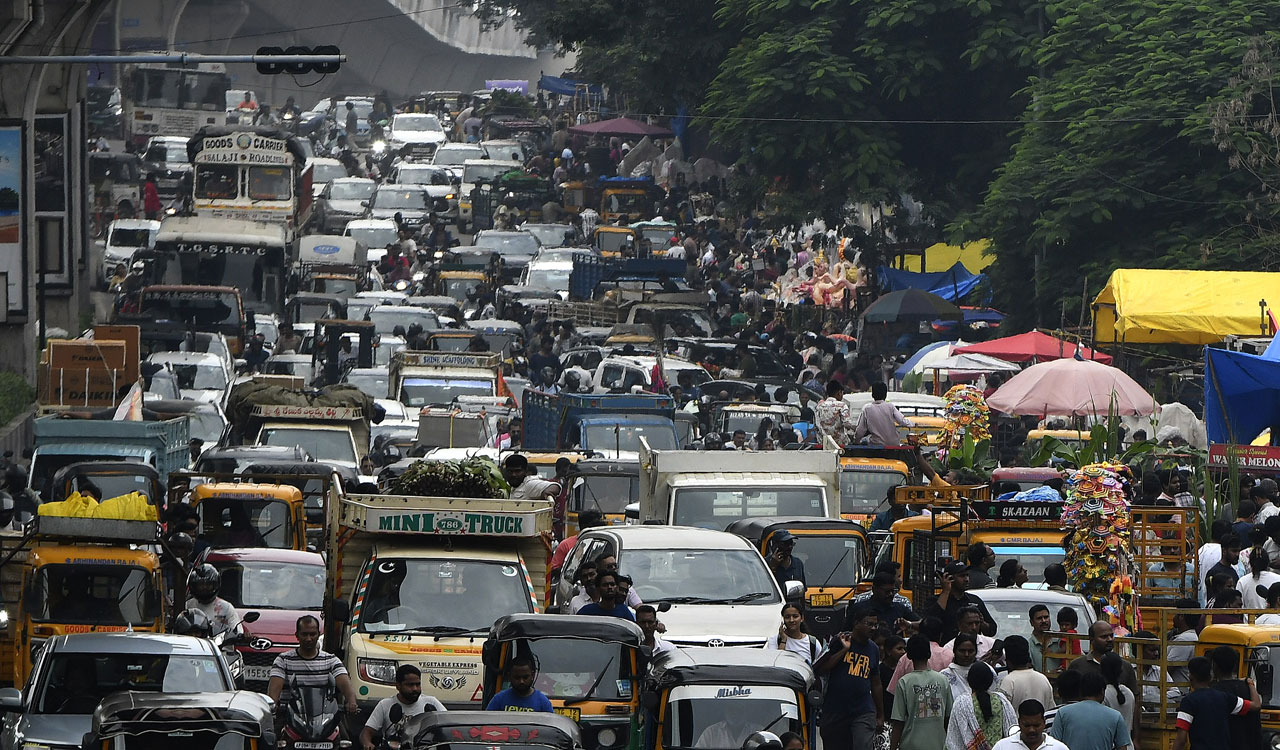
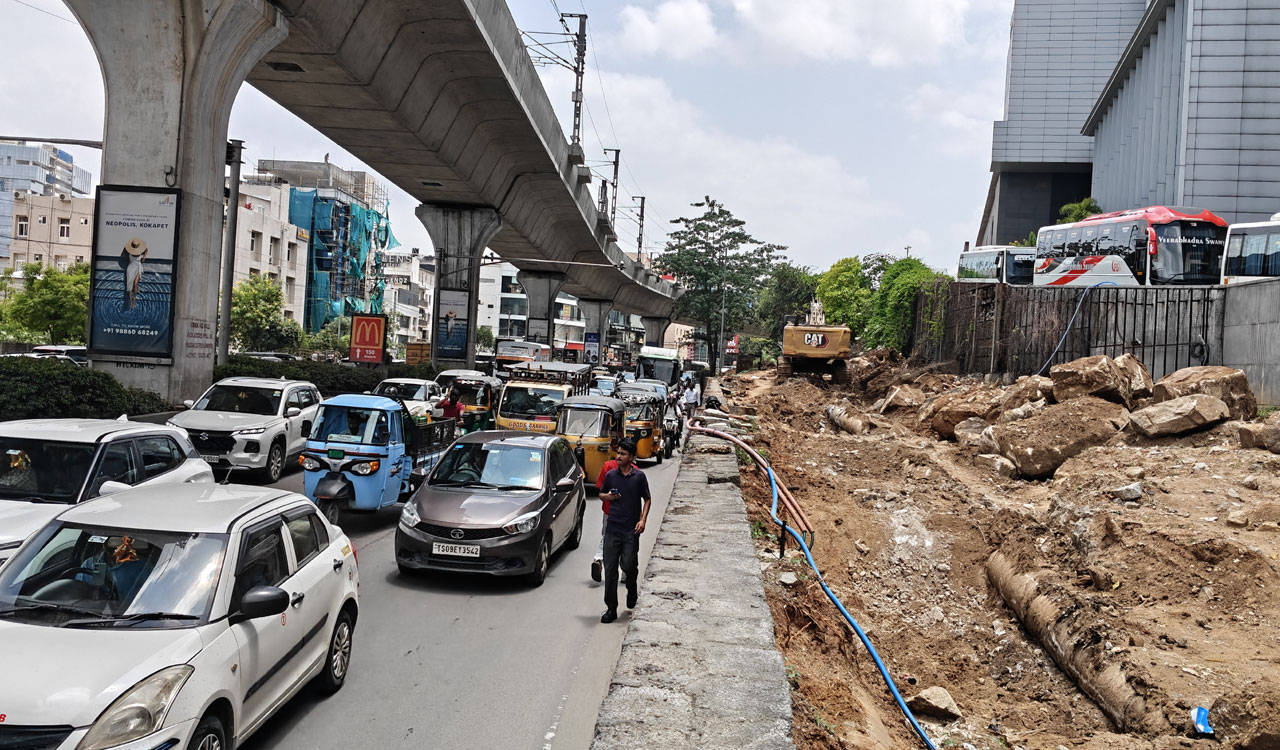
It identified roadside parking, encroachments, poor lane discipline, unauthorised stoppages and junction conflicts as major causes of congestion. Inadequate bus bays, shelters, footpaths and pedestrian facilities were also highlighted.
Lessons from global BRT systems:
Mexico City’s Metrobús demonstrates how dedicated bus corridors can improve public transport in a densely populated urban area. Its established network uses exclusive bus lanes and designated stations to move large numbers of passengers.
Cyberabad’s proposed counterflow model follows the broader principle of prioritising buses, though its operating arrangements differ.
Authorities are also examining conventional kerb-side bus lanes and improvements to bus stops and pedestrian facilities.
The counterflow proposal remains at the assessment and trial-planning stage. The physical trial and subsequent traffic studies will determine whether the system can improve bus movement safely without disrupting regular traffic flow.

Related News