‘Decreasing levels of immunity in India’s population may trigger new Covid waves’
India is currently seeing a surge in Covid cases, to levels last seen during the Omicron wave in early 2022
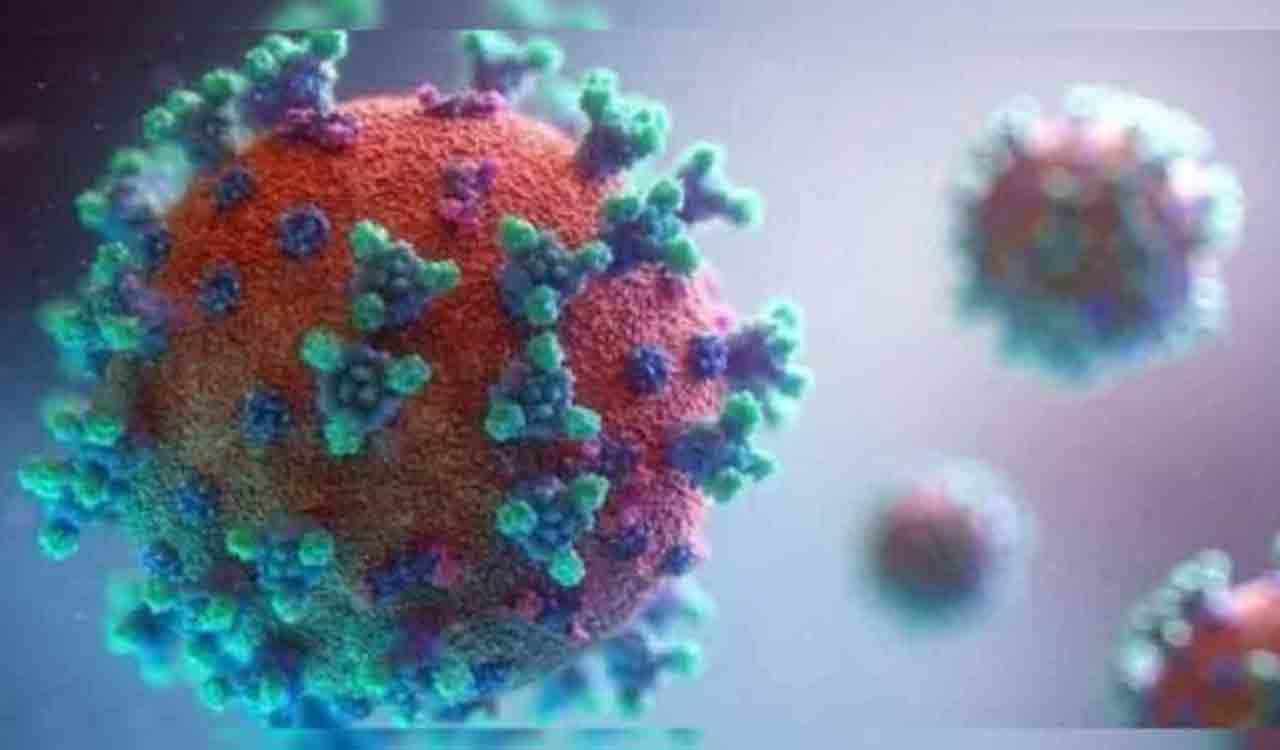


New Delhi: Decreasing levels of immunity in our population may trigger new Covid waves and to tackle this, India needs a strong disease surveillance along with high vaccine coverage, WHO Regional Director, South-East Asia, Dr Poonam Khetrapal Singh has stressed.
India is currently seeing a surge in Covid cases, to levels last seen during the Omicron wave in early 2022.
India on Saturday recorded 6,155 fresh Covid-19 infections, while the number of active cases increased to 31,194, according to the Health Ministry data.
Daily cases have crossed the 6,000-mark for the first time since September 16 last year.
A total of 14 deaths — three in Maharashtra, two each in Karnataka and Rajasthan, and one each in Delhi, Haryana, Gujarat, Himachal Pradesh, Jammu and Kashmir, and Punjab have been reported. One death was reconciled by Kerala, according to Union Health Ministry data.
Speaking to IANS, Dr Singh stressed the need for people to take booster vaccine doses and to follow Covid-appropriate behaviour to tackle the surge in infections.
Here are excerpts from the interview:
IANS: Are we going to see a new Covid wave, even as India is currently seeing the highest surge in infections?
Singh: Over the past six months, we have been seeing surges in infection in some countries that have not been associated with a rapid increase in the need for hospitalisation, intensive care, or an increase in fatalities.
As the virus continues to circulate and evolve, we will continue to see waves of infections. While these waves are not likely to be as large as before as we have population-level immunity that has increased around the world from vaccination and prior infection, we should, by no means, downplay the threat from Covid-19 and become complacent. We must reduce risk to ourselves and to others from Covid-19.
We can also expect new waves of infection as our immunity wanes. We can contain the impact of this with strong disease surveillance, high vaccine coverage, and making our health systems more resilient.
We also need to strengthen our capacity to track the virus and urgently address any gaps in the health systems. As we continue to do all this, we need to transition to long-term control of Covid-19 and other respiratory diseases.
IANS: Adoption of the second and third doses of Covid vaccines in India has been very less, compared to the first dose. What is your take?
Singh: Vaccination is an important tool in our fight against Covid to prevent severe disease and death. Even in communities that have experienced high Covid-19 infection rates, vaccination and boosters provide an additional layer of protection against the future trajectory of the disease.
India has already administered more than 2.2 billion doses to date, an impressive feat given the size of the country. While the vaccine rollout started at a slow pace, it picked up speed with the country crossing a billion doses in October 2021 and crossing the two billion mark in a record 18 months in July 2022.
In April 2022, India also rolled out booster doses in a phased manner for those who had completed their primary series, with a focus on the elderly, those with underlying medical conditions, and front-line workers which was gradually expanded.
While vaccine coverage and prior infections has provided population level immunity globally, the effectiveness of vaccines wanes over time and it is important that the primary series should be followed by additional booster doses, especially to those at the highest risk from severe disease and death.
IANS: How can we tackle the rising infections?
Singh: We should isolate if we have a fever or symptoms and follow medical advice. Even individuals without infection must continue to follow protective measures to reduce transmission which include maintaining safe distance, practising good hand and respiratory hygiene, wearing well-fitting masks, and avoiding crowded and poorly ventilated places, where possible.
Booster doses provide additional protection against infection and severe disease beyond the primary series. Persons at high risk of developing severe Covid-19 disease should continue to be prioritised for the booster dose.
IANS: Should children under 11 years of age be vaccinated?
Singh: Children and adolescents are generally at low risk of infection and in case they do get infected; it is likely to be a mild disease in most instances. However, children and adolescents with co-morbidities or obesity are at a higher risk and must be vaccinated and should receive primary series vaccination and one booster dose.
Vaccination of healthy children and adolescents could be considered by individual countries based on disease burden, and other health or programmatic priorities and opportunity costs. Achieving high vaccination coverage with primary series and boosters in the at-risk population groups remains a priority.
IANS: When can we see Covid turning into an ‘endemic’?
Singh: We are in a decisive phase of the battle against Covid-19 and now more than ever we need to work together to be able to end the pandemic and put the virus behind us.
Next month, the IHR Emergency Committee on Covid-19 pandemic will meet and assess the situation and risk and make recommendations and advise the WHO Director General.

Related News