Discarded aloe vera peels act as natural insecticide: Study
For thousands of years, Aloe barbadensis, also known as aloe vera, has been used to treat skin ailments, promote digestive health, and heal wounds
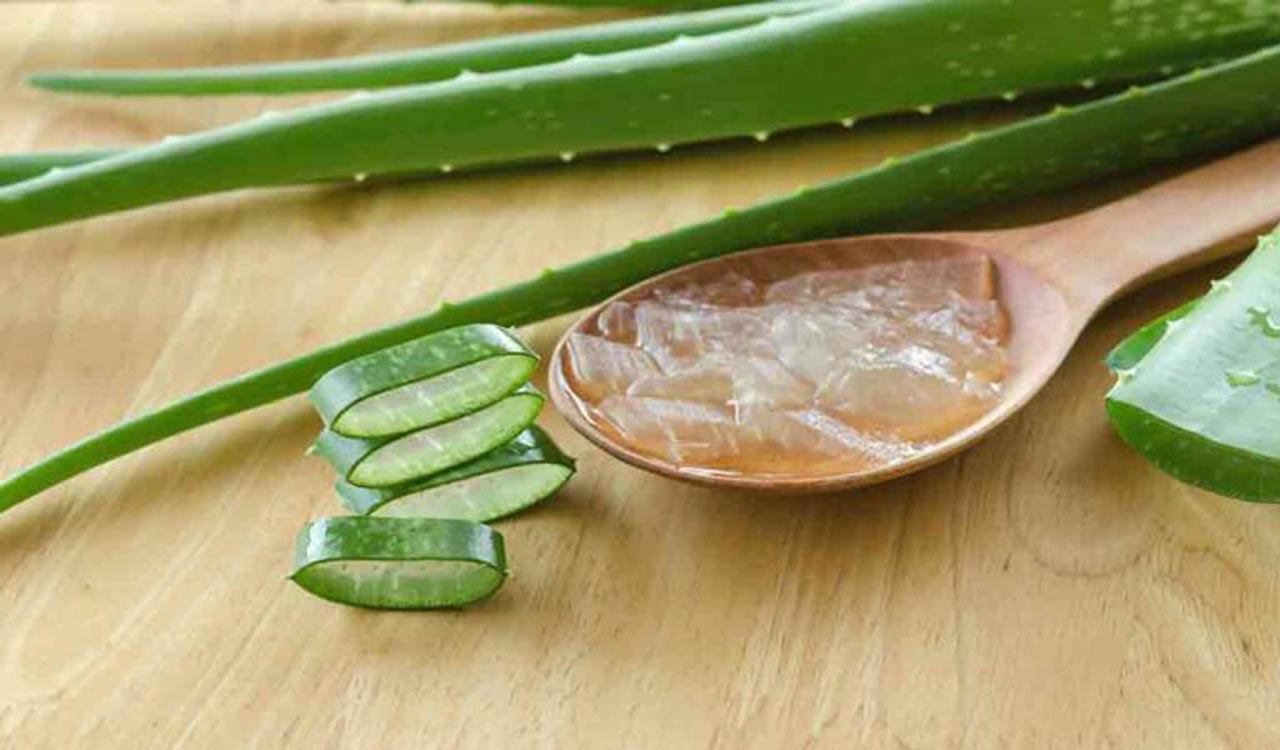


Washington: Scientists believe that discarded aloe vera peels can deter bugs by acting as a natural insecticide. They discovered several bioactive compounds in peel extracts that deter insects from feasting on crops.
For thousands of years, Aloe barbadensis, also known as aloe vera, has been used to treat skin ailments, promote digestive health, and heal wounds. However, while aloe vera gel is in high demand, the peels are discarded as agricultural waste.
Also Read
Its likely that millions of tons of aloe peels are disposed of globally every year, said Debasish Bandyopadhyay, PhD, the projects principal investigator. We wanted to find a way to add value and make them useful. Bandyopadhyay became interested in the potential use of aloe rinds as an insecticide after visiting a local aloe vera production centre and noticing that insects had left the aloe leaves alone, despite attacking the leaves of other plants.
He asked the company’s CEO if he could return the rinds to his lab, which perplexed the CEO, who initially tried to send Bandyopadhyay home with samples of the company’s products instead.
Some home gardeners have begun to use aloe gel, along with onions and garlic, as an ingredient in a natural pesticide mixture, but these recipes do not always include the peels. On a larger, industrial scale, aloe peels are currently treated as agricultural waste and primarily used to generate biomass, which can help improve soil quality on aloe farms.
The main disadvantage of this approach is that rotting agricultural waste can emit methane and other greenhouse gases into the atmosphere, which contributes to global climate change.
So Bandyopadhyay set out to investigate the possibility of recycling the peels to create a natural pesticide that could help farmers in areas where insects are a major threat, such as Africa, the tropical and subtropical regions of the Americas, and maize and millet fields in India.
The new pesticide application may also provide an environmentally friendly alternative for disposing of the peels, as well as new revenue streams for aloe vera producers.
The goal is to recycle this waste in a meaningful way while making aloe production greener and more sustainable, said Bandyopadhyay.
Bandyopadhyay and colleagues from the University of Texas Rio Grande Valley first dried the aloe vera peels to investigate their potential insecticidal properties.
To preserve the plant’s bioactivity, the rinds were dried in the dark at room temperature by blowing air over them. The researchers then extracted the peels using hexane, dichloromethane (DCM), methanol, and water.
The researchers previously reported that the hexane extract contained octacosane, a compound known to be mosquitocidal.
The DCM extract demonstrated significantly higher insecticidal activity against agricultural pests than the hexane extract in new experiments, so the researchers wanted to investigate it further The DCM extract was chemically profiled using high-performance liquid chromatography-mass spectrometry, a technique that allows researchers to examine the chemical composition of substances.
Using this information, the researchers discovered more than 20 compounds in aloe vera rinds, many of which had antibacterial, antifungal, or other potential health benefits not surprising given aloe’s long history as a folk medicine. Among these were six compounds known to have insecticidal properties, including octacosanol, subenniatin B, dinoterb, arjungenin, nonadecanone, and quillaic acid.
According to the researchers, these compounds may be contributing to the effects of aloe rind. Furthermore, the identified compounds were not toxic, indicating that there were no major safety concerns with the development of an aloe-peel-based insecticide.
The chemical investigation of the methanol and aqueous extracts is still ongoing, but both have shown strong insecticidal activity, similar to the DCM extract.
After identifying insecticidal compounds in aloe peels, the researchers will see how well they work against agricultural pests in real-world fields.
In addition, Bandyopadhyay and colleagues are investigating whether these compounds have anti-mosquito and anti-tick properties, which could lead to the development of a consumer insect repellant.
By creating an insecticide that avoids hazardous and poisonous synthetic chemicals, we can help the agricultural field, said Bandyopadhyay. But if the peels show good anti-mosquito or anti-tick activity, we can also help the general public.

Related News