Dispelling 10 misconceptions about medical cannabis in India
Ten prevailing misconceptions encircling medical cannabis are debunked, offering illuminating insights into its attributes and impact for a more lucid comprehension.
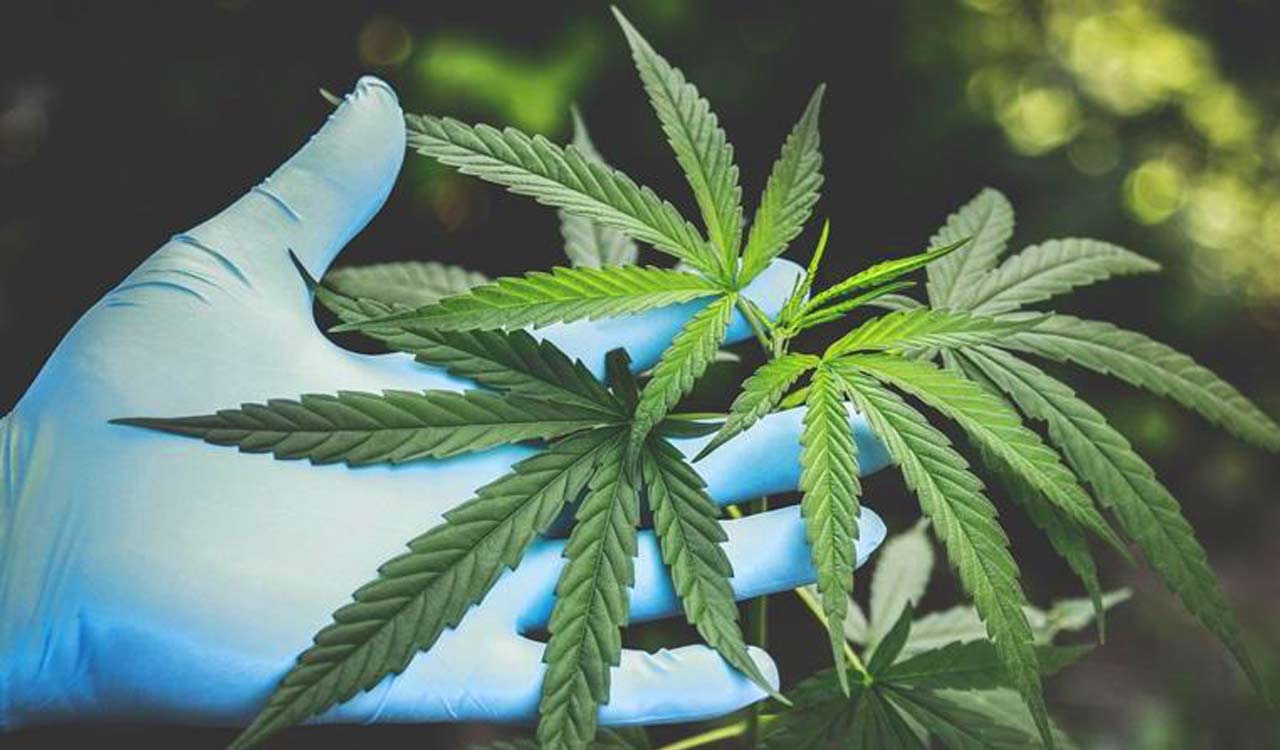


New Delhi: Medical cannabis, with its potential to alleviate various health conditions, has captured public interest and controversy. However, amidst the growing fascination, a plethora of misconceptions have emerged.
Richa Jaggi, Co-Founder, of Awshad, a medical cannabis wellness startup, dispels ten common myths surrounding medical cannabis, shedding light on the truth and providing a clearer understanding of its properties and effects.
Also Read
Myth 1: Medical cannabis is illegal in India
Fact: In January, 2022, the Central Government supported the Delhi High Court‘s decision, allowing the medical use of Vijaya in the country. Additionally, the Central Government authorised State Governments to oversee the cultivation, production, transportation, import/export, and sale of Vijaya and its cannabis-based medicines for various purposes, including industry, horticulture, science, and medicine.
Myth 2: CBD and cannabis are synonymous
Fact: The cannabis plant, scientifically known as Cannabis sativa, boasts a diverse array of substances called cannabinoids. Researchers have identified over a hundred different cannabinoids, each with distinct properties. CBD (cannabidiol) is one of these compounds, and it does not encapsulate the entirety of the cannabis plant’s complexity.
Myth 3: Medical cannabis leads to addiction
Fact: The chances of addiction are higher when we use Cannabis that has a lot of THC often. The psychoactive effects of cannabis stem from THC (tetrahydrocannabinol), a chemical compound present in the plant. However, not all medical products contain significant THC levels. CBD, for instance, exhibits substantial medical value without causing intoxication or euphoria.
Myth 4: CBD isn’t safe
Fact: In 2017, the World Health Organisation (WHO) addressed concerns regarding the CBD’s safety. Their comprehensive report affirmed that naturally occurring CBD is well-tolerated by humans and lacks associations with adverse public health effects.
Myth 5: CBD products yield immediate effects.
Fact: While cannabis can trigger rapid psychoactive reactions, CBD’s impact is distinctly gradual. Most individuals notice the benefits of CBD over time, with effects becoming more pronounced after consistent usage of recommended dosages spanning days or weeks.
Myth 6: Oral consumption is the sole effective method for CBD and medical cannabis.
Fact: A widely accepted misconception dictates that oral consumption is the exclusive route to harness the potential of CBD and medical cannabis. However, the truth is that topical applications of CBD are not equally potent and practiced, offering an alternative avenue for therapeutic benefits.
Myth 7: CBD is a deceptive marketing ploy.
Fact: Amidst the influx of CBD products in the market, it’s essential to discern between legitimate options and potential scams. While some products might appear questionable, it is unjust to label all CBD products as fraudulent. Medically supported items like CBD oil and tinctures have demonstrated effectiveness in various realms, solidifying their credibility.
Myth 8: CBD has no health benefits
Fact: Some people believe that CBD has no benefits on health and is merely a myth but in reality, numerous studies suggest that CBD has potential therapeutic properties, such as pain relief, anti-inflammatory effects, and potential use in managing certain medical conditions.
Myth 9: Higher CBD dosages equate to quicker relief.
Fact: While the allure of faster results through higher dosages is understandable, it is not advisable. CBD dosages should be tailored to specific medical conditions and the CBD extract used. Instances exist where lower CBD doses have proven exceptionally effective. Therefore, adhering to medical advice is crucial.
Myth 10: CBD is devoid of side effects.
Fact: Similar to any medicinal product, CBD is associated with mild side effects during the body’s adjustment phase. Despite its natural and plant-based origins, CBD necessitates time for acclimatization. Comparatively, CBD’s side effects are generally considered mild when juxtaposed with conventional medications.
“Demystifying these ten myths contributes to a more accurate comprehension of medical cannabis and CBD use in India. Individuals seeking to explore the potential benefits of these substances should approach them with an informed perspective. Unraveling the misconceptions surrounding this multifaceted plant reveals a nuanced and intricate landscape. The distinction between CBD and cannabis emerges as a pivotal revelation, unveiling a spectrum of cannabinoids that extend beyond CBD’s spotlight. Moreover, the notion of cannabis-induced highs dissipates in the face of CBD’s non-intoxicating nature, establishing it as a promising therapeutic element”, concludes Richa Jaggi.

Related News
-

2nd Test: India fight back with three wickets as New Zealand reach 131/4 at tea
-
MailMyCard Helps Families Send Digital Birthday Cards With a Voice Note and Photos to Relatives Anywhere
-
Vaibhav Sooryavanshi credits Yuvraj for record knock
-
Lowy Institute ranks PM Modi second among Asia’s most effective leaders