Drug tests ordered for pilots across all airlines
The DGCA has ordered drug tests for pilots across all airlines, with the exercise to be completed by July 2027. The move follows an Air India pilot testing positive for a psychoactive substance after the Phuket-Delhi flight incident


New Delhi: Aviation watchdog DGCA has ordered drug tests for pilots across all airlines, with the exercise to be completed by July 2027, according to sources.
Separately, Civil Aviation Minister K Rammohan Naidu on Thursday said the Directorate General of Civil Aviation (DGCA) is expected to finalise the draft of new norms for drug testing of pilots by the end of this month.
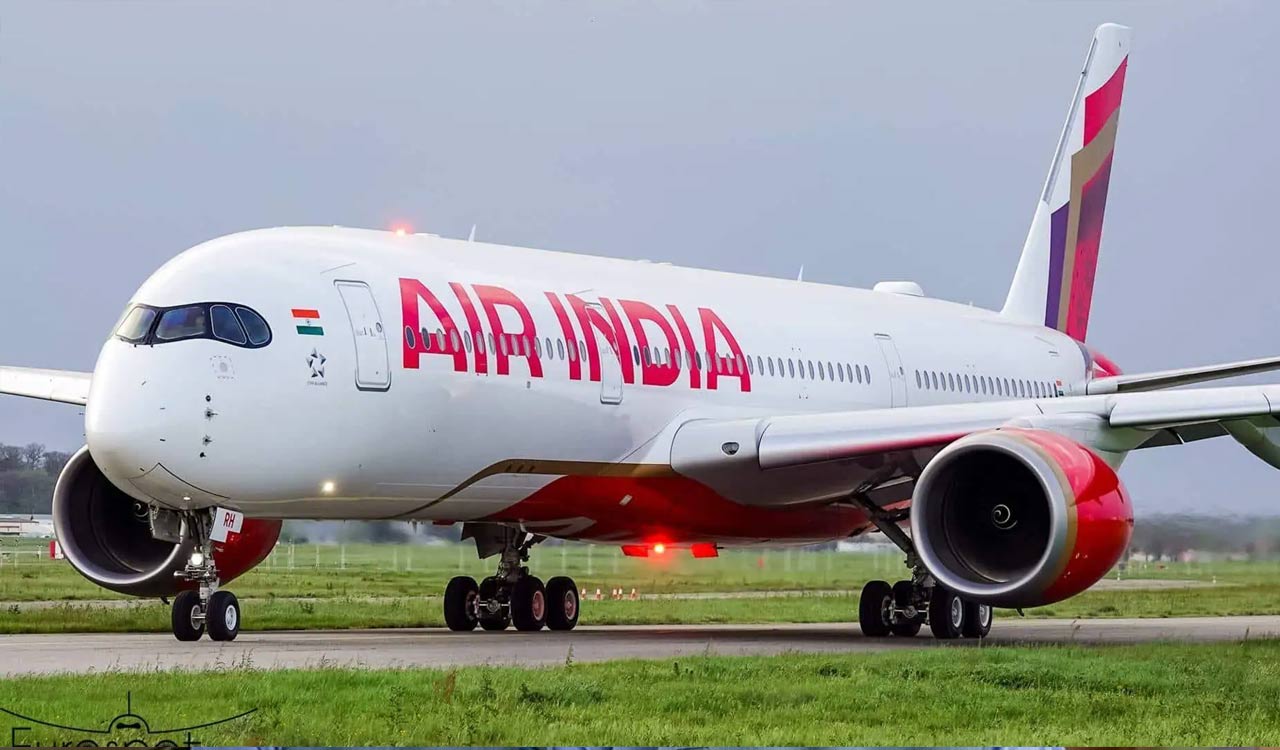
The moves come against the backdrop of the pilot-in-command of an Air India Phuket-Delhi flight, which suddenly lost nearly 300 feet in altitude, testing positive for drug use after the aircraft incident on August 4 left many passengers injured.
On September 4, Air India terminated the services of the pilot-in-command, hours after the Aircraft Accident Investigation Bureau (AAIB)’s preliminary report into the Phuket flight incident said the pilot’s drug use was a serious concern and asked the regulator DGCA to take appropriate action.
The sources on Thursday said the DGCA had ordered drug testing for pilots across all airlines last month and that the carriers had been asked to complete the exercise by July next year.
Naidu, on the sidelines of a conference in the national capital on Thursday, said the draft of the revised Civil Aviation Requirements (CAR) regarding testing of pilots for psychoactive substances is expected to be finalised by the end of this month after discussions with stakeholders.
Currently, drug tests for pilots are conducted on a random basis. Under the DGCA’s present Civil Aviation Requirements (CAR), random tests for psychoactive substances have to be conducted on 10 per cent of pilots and air traffic controllers, among others, annually.
There are more than 12,000 pilots with various commercial airlines.
Following the Phuket flight incident and the pilot-in-command testing positive for drug use, Air India Group in August decided to conduct drug tests for all pilots across Air India and Air India Express.
In the preliminary report on the Phuket flight incident released on September 4, the AAIB said the plane, carrying 145 people, suffered a near-simultaneous loss of all three hydraulic systems while cruising at 36,000 feet, triggering an autopilot disconnect, a brief stall warning and an altitude upset that injured 24 people.
The report disclosed that the pilot-in-command tested non-negative for a psychoactive substance in a confirmatory test conducted after the flight.
The AAIB recommended that the aviation regulator take appropriate action to prevent the abuse of psychoactive substances. “The confirmation of use of psycho-active substance is a serious concern and AAIB recommends appropriate actions by DGCA on priority,” it had said.
Hours later, on September 4, Air India said the pilot-in-command of the Phuket-Delhi flight had tested positive for a psychoactive substance.
“In line with Air India’s zero-tolerance approach to violation of safety, fitness or regulatory requirements, the pilot’s employment has been terminated with immediate effect,” the airline had said in a statement.

Related News
-

Drogo Aerospace’s JK 250e UAV receives DGCA type certification
-
Indian airlines cancel flights to Saudi cities until Oct 20 amid security concerns
-
DGCA prohibits specific MOBIKINS powerbank after fire incident on IndiGo flight
-
Air India flight AI-2030 cleared to fly to Delhi after security inspection