E20 ethanol rollout backed by years of testing and consultations, says Centre
The Petroleum Ministry has defended India's E20 ethanol programme, stating that the transition followed more than two decades of policy development, testing and stakeholder consultations. It rejected claims of a rushed rollout and urged consumers to ignore misinformation about ethanol-blended fuel.


New Delhi: India’s ethanol blending programme did not begin under the present government, and the initiative has a long institutional history and milestones, the Petroleum Ministry said on Friday, adding that the transition from E10 to E20 ethanol blending was not based on assumptions, but on years of testing, manufacturer consultations and field experience.
“A pilot ethanol blending programme was launched in 2001, formally announced in 2004, and E5 (5 per cent ethanol blending) was rolled out across several states by 2006. The policy framework was subsequently notified in the Gazette of India in January 2013 during the UPA government. These are matters of public record,” said the ministry in a detailed statement.
India had set a target of achieving 5 per cent ethanol blending across 10 states and union territories. Unfortunately, despite that ambition, blending remained stuck at around 1.5 per cent until 2014, it informed.
“Nobody questioned ethanol as a fuel. That had already been settled globally. The real challenge was how India could produce sufficient quantities of ethanol,” said the Petroleum Ministry.
At that time, India depended almost entirely on sugarcane, a seasonal crop, with an annual ethanol production capacity of roughly 400 crore litres. Such production levels were inadequate even for modest blending targets.
Recognising this constraint, the government fundamentally changed its approach. With the launch of the National Policy on Biofuels in May 2018, the government began creating the ecosystem necessary to produce ethanol at scale. This became a genuine whole-of-government mission.
“The Ministry of Petroleum & Natural Gas, Department of Food & Public Distribution, Ministry of Road Transport & Highways, Ministry of Heavy Industries, Indian Railways and several other ministries worked in close coordination to expand feedstocks, build infrastructure, support technology, align logistics, create demand certainty and encourage investment,” said the official statement.
It further explained that a landmark step came in August 2021, when India’s Oil Marketing Companies — IOCL, BPCL and HPCL — issued expressions of interest for establishing Dedicated Ethanol Plants (DEPs) in ethanol-deficit regions.
These projects transformed the investment landscape because they offered assured long-term purchase agreements by Oil Marketing Companies; tripartite financing arrangements with public sector banks through escrow mechanisms, substantially reducing investment risk; mandatory supply of ethanol exclusively for the Ethanol Blended Petrol Programme; and these plants naturally required nearly two years to come on stream.
Another important milestone came in June 2021 when NITI Aayog published its comprehensive roadmap about ethanol blending after extensive consultation with automobile manufacturers, oil companies, agricultural experts and other stakeholders.
The report highlighted not only the environmental and energy security benefits of ethanol but also the transformational impact on rural incomes and the agricultural economy.
At that stage, India’s requirement for 10 per cent blending was 500-600 crore litres of ethanol annually. As fresh investments materialised and production capacity expanded, it became evident that the country would soon be capable of producing nearly 1,200 crore litres.
Once the supply side had been secured, it became both logical and responsible to aspire for 20 per cent blending. So, the suggestion that India ‘rushed’ into ethanol blending is simply not borne out by facts, said the ministry.
This has been a journey spanning over two decades from pilot projects in 2001, policy notification in 2013, institutional reforms after 2018, massive investments beginning in 2021, and then a carefully calibrated, phased increase in blending levels.
All stakeholders, including automobile manufacturing companies, testing agencies, OMCs, DFPD, etc., were consulted before rollout, according to the statement.
Before E20 was rolled out, the government undertook several rounds of detailed consultations with all stakeholders, such as automobile manufacturers, technical experts, testing agencies and others to ensure readiness across the ecosystem.
Maruti Suzuki serviced 2.84 crore vehicles during FY 2025-26, including 1.5 crore older, non-E20-certified vehicles, and reported no E20-linked corrosion, abnormal wear or component-life damage.
Hero MotoCorp has reported similar field experience. This real-world evidence is far more reliable than isolated anecdotes.
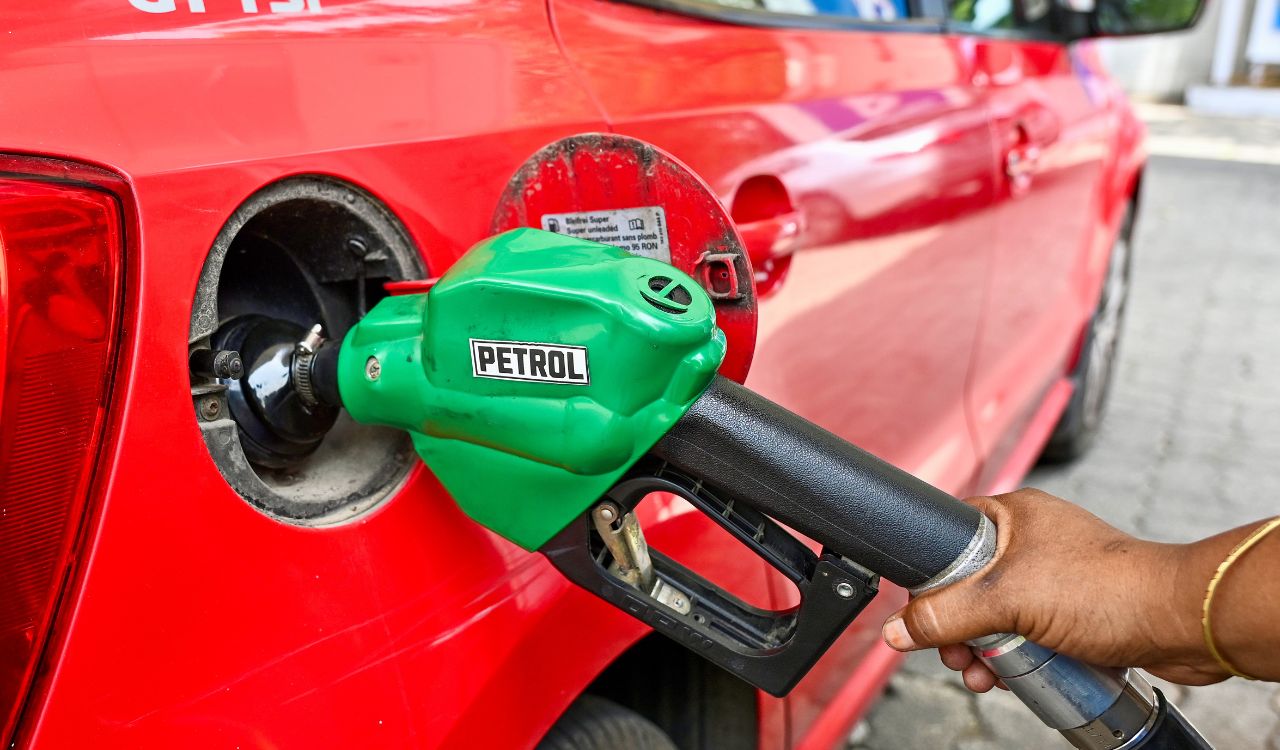
Advising consumers not to be misled by misinformation, scaremongering or unverified content circulating on social media, the ministry said that ethanol and blended petrol conform to strict BIS specifications and undergo quality checks at every stage from the distillery to the depot to the retail outlet.
“Any procedural lapse anywhere in the supply chain should be dealt with firmly. Chief Secretaries of the states have been requested to ensure strict enforcement and take an iron hand against any instance of adulteration. There can be zero tolerance for lapses that compromise fuel quality,” the ministry said.

Related News