Editorial: A hero in the skies
Captain Smit Machchhar’s courage saved 174 passengers, but the cockpit attack exposes serious gaps in crew screening and aviation security protocols
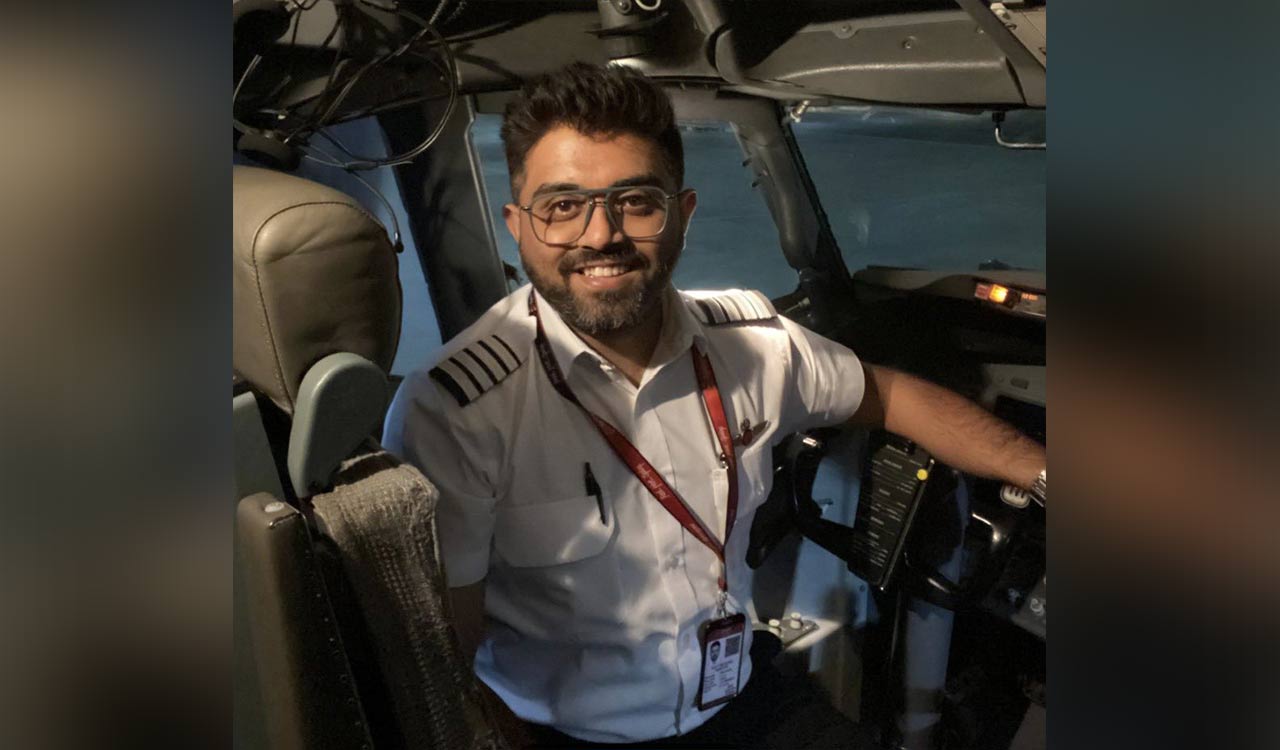


Indian pilot Smit Machchhar has done the country proud by showing extraordinary courage and presence of mind in preventing a major aviation disaster. Despite being seriously wounded in a stab attack by his Omani co-pilot, Machchhar managed to open the cockpit door, allowing passengers and crew of a Dubai-Tel Aviv flight to overpower the attacker and enabling other pilots on board to take control of the plane. His act of bravery helped save the lives of 174 passengers, mostly Israelis, and crew of the Flydubai FZ1073. The suspected terror attack highlights a dangerous new phase in aviation security: the insider threat in the cockpit. The reinforced flight-deck doors introduced after the 9/11 attacks were designed to keep terrorists out. But they offer little protection when the threat is already inside the cockpit. While the motive and terror links of the co-pilot, now in the custody of Saudi Arabian authorities, are still being investigated, it has emerged that his grievous assault on the captain has nearly brought down the aircraft. During the violent struggle, the flight lost altitude rapidly, plummeting more than 17,000 feet. The tragedy could have been prevented if proper background screening was done. It has now emerged that Oman had barred the co-pilot from flying over concerns that he was a radical Islamist, yet Flydubai hired him and drafted him for a flight bound for Israel. Questions are being raised about whether the existing cockpit security procedures were followed and how the co-pilot gained access to a weapon.
A transparent examination of aviation protocols must be done to get to the bottom of the truth. The attacker had used a “crash axe” — a 14- to 15-inch emergency tool with a sharp blade capable of cutting through an aircraft’s interior aluminium skin and fibreglass — to attack the captain and seek to seize control of the plane. In the aftermath of 9/11 terror attacks, locked cockpit doors and strict rules governing access became a central defence against hijacking. But the question now is what if the person already inside becomes the threat, and the locked door becomes an obstruction to saving the plane and lives of passengers. The answer lies in a combination of rigorous screening measures for cockpit and cabin crew, improved systems for identifying potential security risks, and protocols that encourage the crew to respond swiftly if a member of the flight team becomes a threat. The challenge is to institutionalise them. There is a need for a wider assessment of aviation. The episode has brought back memories of a similar courageous act by flight attendant Neerja Bhanot, who protected passengers during the 1986 hijacking of Pan Am Flight 73. The circumstances may be different, but both stories centre on aviation professionals making critical decisions when the safety of those on board is suddenly threatened.
Also Read

Related News