Expert questions CM Revanth’s claims on Yadadri thermal power project
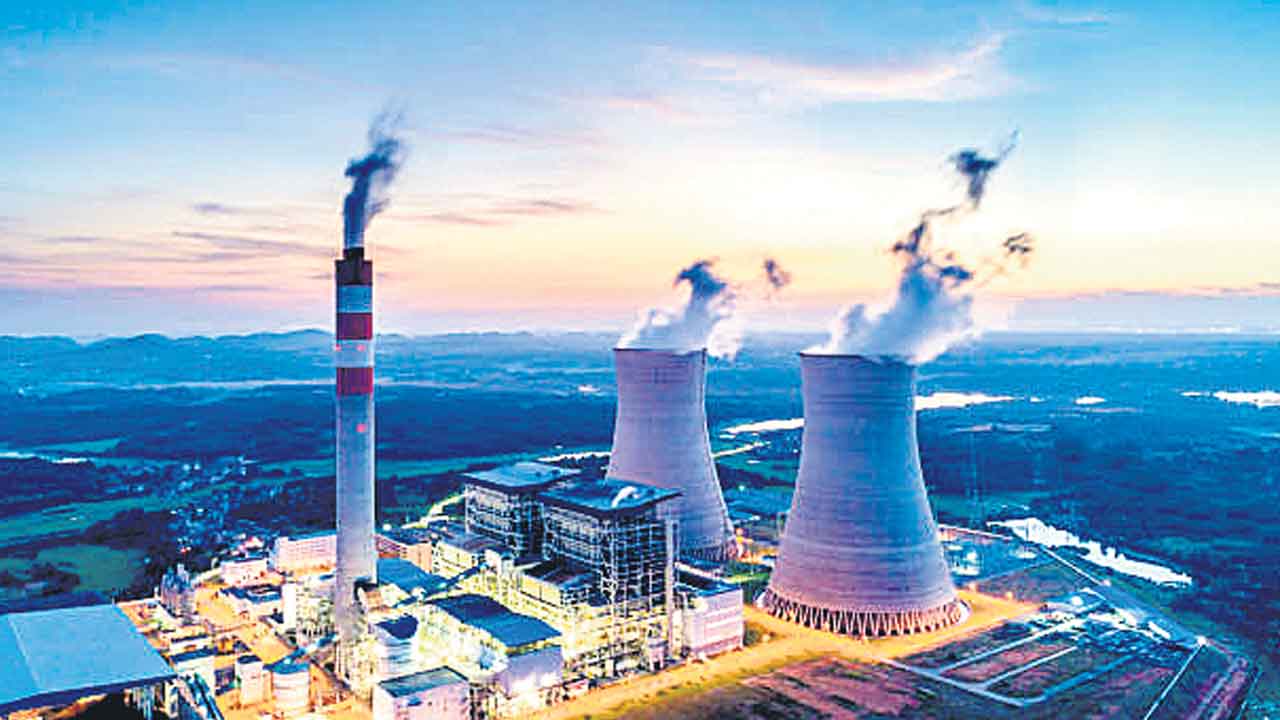
Irrigation expert V Prakash rebutted Chief Minister A Revanth Reddy’s remarks on Yadadri Thermal Power Station, defending its location, supercritical technology, G9-grade coal arrangements and land use. He alleged the Chief Minister omitted details about coal linkages and supply constraints.
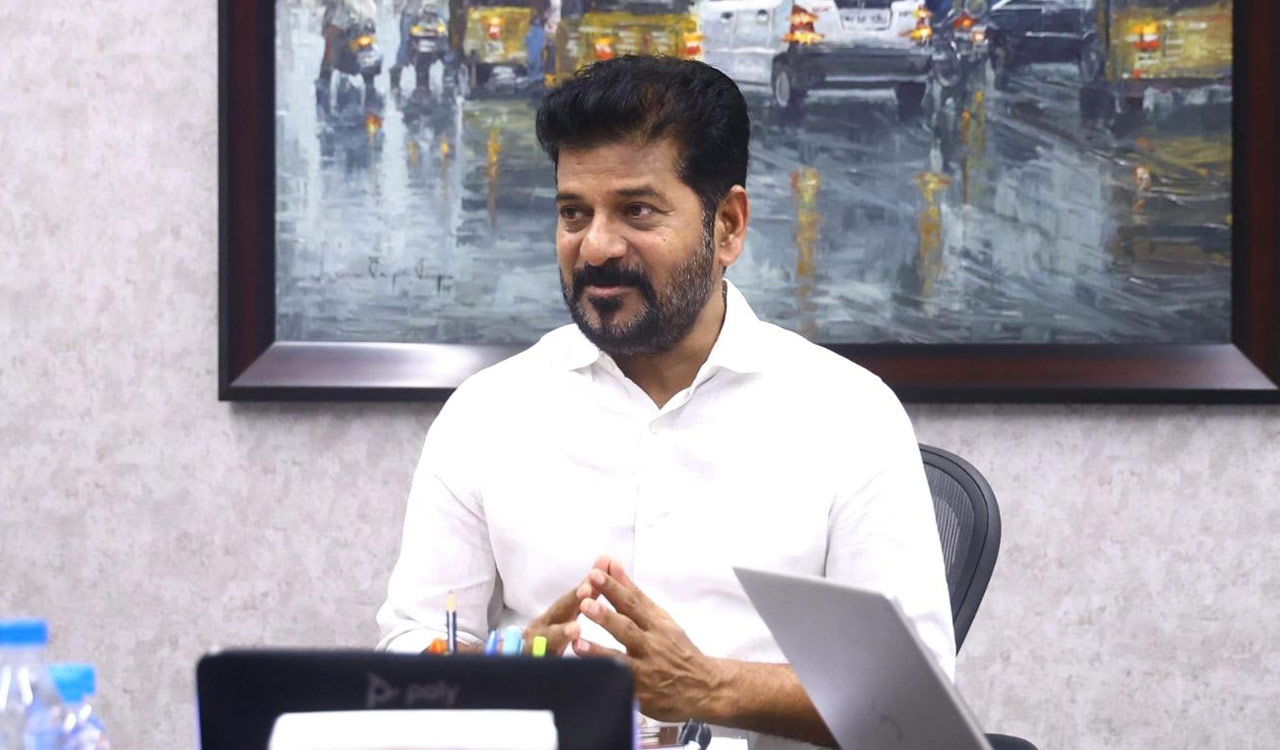


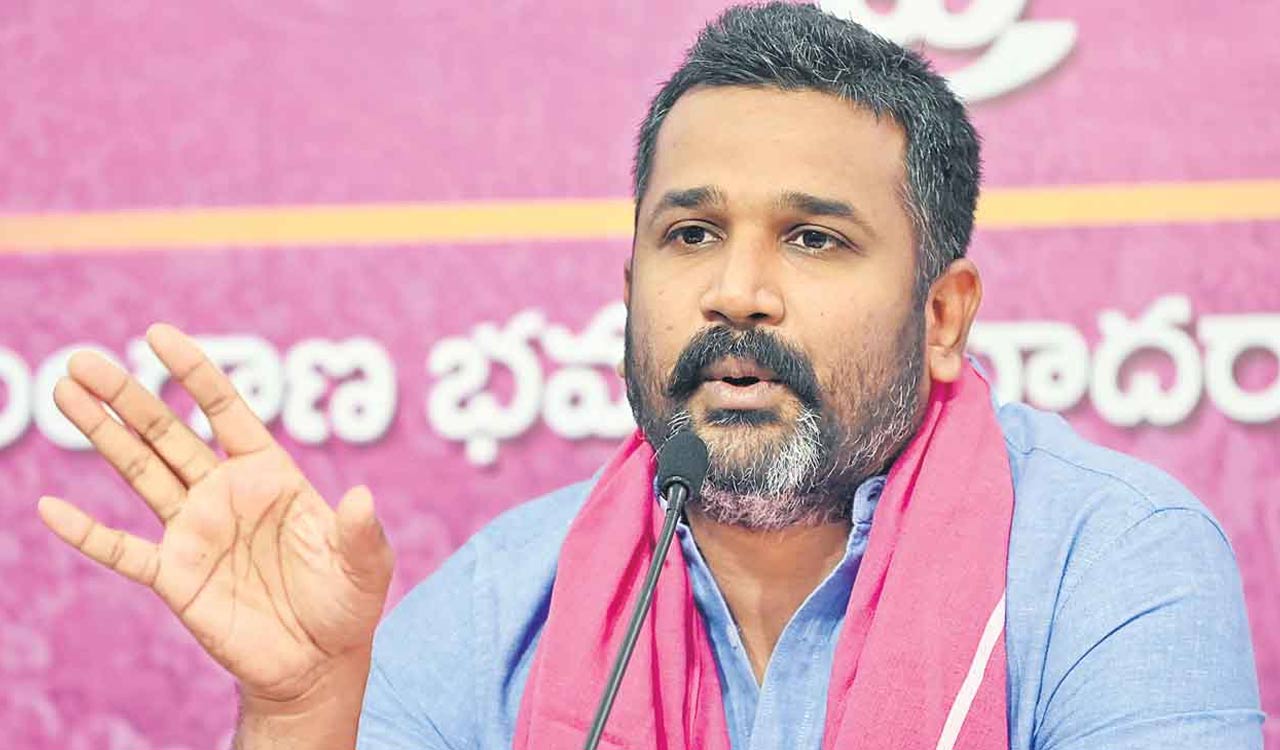
Hyderabad: A day after Chief Minister A Revanth Reddy made critical observations about the location, coal imports and other aspects of the Yadadri Thermal Power Station (YTPS), irrigation expert V Prakash challenged his claims, alleging that the Chief Minister had suppressed facts and presented half-truths.
In a point-by-point rebuttal, Prakash explained the factors considered by the previous BRS government while finalising the location, technology and coal supply arrangements for the 4,000-MW power project.
Location
At a press conference on Thursday, Revanth Reddy said the previous government had chosen Damaracherla for YTPS despite the availability of water and coal at other locations. He maintained that the project cost would have been significantly lower had it been established at Manuguru.
Prakash, however, said former Chief Minister K Chandrashekhar Rao had chosen Damaracherla to promote economic development in South Telangana. The location was also selected with a view to facilitating coal imports through the Krishnapatnam and Bandar ports, as the plant was designed to use imported G9-grade coal or blend it with other coal, if necessary, he explained.
Supercritical technology
The Chief Minister had also questioned the technology adopted for YTPS.
Prakash said the plant was designed using supercritical technology, in line with the requirements applicable to new coal-based thermal power projects. He questioned how the previous government could have secured loans from Central government corporations had it failed to comply with the relevant national power policy requirements.
The 4,000-MW plant was designed to use supercritical technology suited to G9-grade coal, with a gross calorific value (GCV) of 4,601–4,900 kcal per kg. Supercritical technology improves efficiency and can reduce carbon dioxide emissions by around 10–15 per cent compared with older subcritical units, he said.
Why G9-grade coal?
Prakash said the coal available from Singareni included lower grades such as G11, G13, G14 and G15, with limited availability of higher grades.
G13-grade coal has a GCV of 3,401–3,700 kcal per kg, while G14-grade coal has a GCV of 3,100–3,400 kcal per kg. As these grades generate less heat per unit of weight, power plants need to burn larger quantities to produce the same amount of electricity, he explained.
Lower-grade coal also contains higher ash levels, typically ranging from 35 to 50 per cent, increasing wear on boilers and other equipment and raising maintenance requirements. Transporting larger quantities of low-calorific-value coal over long distances also increases railway freight costs, he said.
According to Prakash, using more consistent, higher-calorific-value G9-grade coal would help maintain the operating conditions required for efficient power generation at YTPS.
Coal supply agreement
Revanth Reddy had said the previous BRS government entered into a memorandum of understanding (MoU) with SCCL in December 2016 for the import of seven million tonnes of G9-grade coal for YTPS.
Prakash countered that the coal linkage granted by the Ministry of Coal covered 14 MTPA of G9-grade coal from SCCL. He further cited an April 2022 MoU under which SCCL was to supply the entire 14 MTPA requirement, alleging that the Chief Minister had omitted this detail.
He claimed that SCCL’s actual production of G9-grade coal had remained substantially below the plant’s requirement, averaging between 1 and 4 MTPA.
Prakash put the selling price of SCCL’s G9-grade coal at around Rs 5,000 per tonne, compared with approximately Rs 2,050 per tonne for domestic coal from sources such as SECL and MCL. Imported coal from Indonesia and South Africa, he said, cost around Rs 4,500–5,000 per tonne and offered a higher calorific value.
He added that investments for the project had been mobilised by TGGENCO through Central government corporations under both the BRS and Congress governments. He said SCCL had agreed to supply 14 million tonnes per annum (MTPA) of G9-grade coal to YTPS. However, the company’s extraction capacity for this grade was limited, and it had supplied only 0.52 million tonnes during the current year, he claimed.
Land requirement
Prakash said YTPS required around four thousand million cubic feet (TMC) of water annually and was allotted approximately 2,800 acres. Of this, 704.12 acres were patta land, while the remaining 2,095 acres comprised forest land in Veerlapalem and neighbouring villages, he said.
He argued that acquiring such a large extent of land would have been difficult in established industrial locations such as Ramagundam or Kothagudem.
He also said a plant using lower-grade G13 or G14 coal would require around 1,200–1,500 acres for ash ponds, whereas YTPS required only about 400 acres. The ash generated at the plant could also be supplied to nearby cement factories, he added.

Related News
-

Yadadri has five days of coal as Telangana power plants face shortage
-
KTR blames Congress for drought, questions use of irrigation pumps
-
KTR accuses Congress of creating drought despite Telangana’s irrigation infrastructure
-
Manne Krishank challenges Revanth Reddy over Medicover, Maxbien Pharma links