Export slowdown hits turmeric farmers in Telangana and Maharashtra
Turmeric prices have dropped by around Rs 2,000 per quintal as exports to West Asia slow due to the ongoing Iran-Israel-US conflict. Farmers allege traders are exploiting the situation, while production remains high in Telangana.
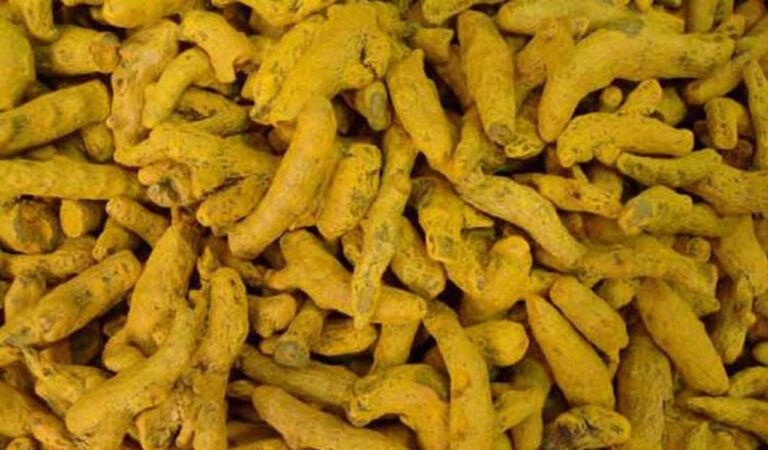


Jagtial: The ongoing Iran-Israel-US conflict has begun to impact agricultural markets, with turmeric prices witnessing a sharp decline due to disruptions in exports.
With West Asia being a major market for Indian turmeric, exports to Gulf countries have slowed following the conflict, leading to reduced demand and a fall in prices. Traders say turmeric prices have dropped by around Rs 2,000 per quintal compared to earlier levels.
At the start of the season, farmers were selling turmeric at Rs 12,000 to Rs 13,000 per quintal. Prices have since declined to Rs 10,000 to Rs 11,000 per quintal in key markets such as Sangli in Maharashtra and Nizamabad, Metpally and Jagtial in Telangana.
India exports turmeric worth around Rs 2,000 crore annually to countries including Iran, the UAE, Qatar, Saudi Arabia, Germany, Japan, the UK, the US and Sri Lanka. However, exports have slowed significantly due to the ongoing conflict.
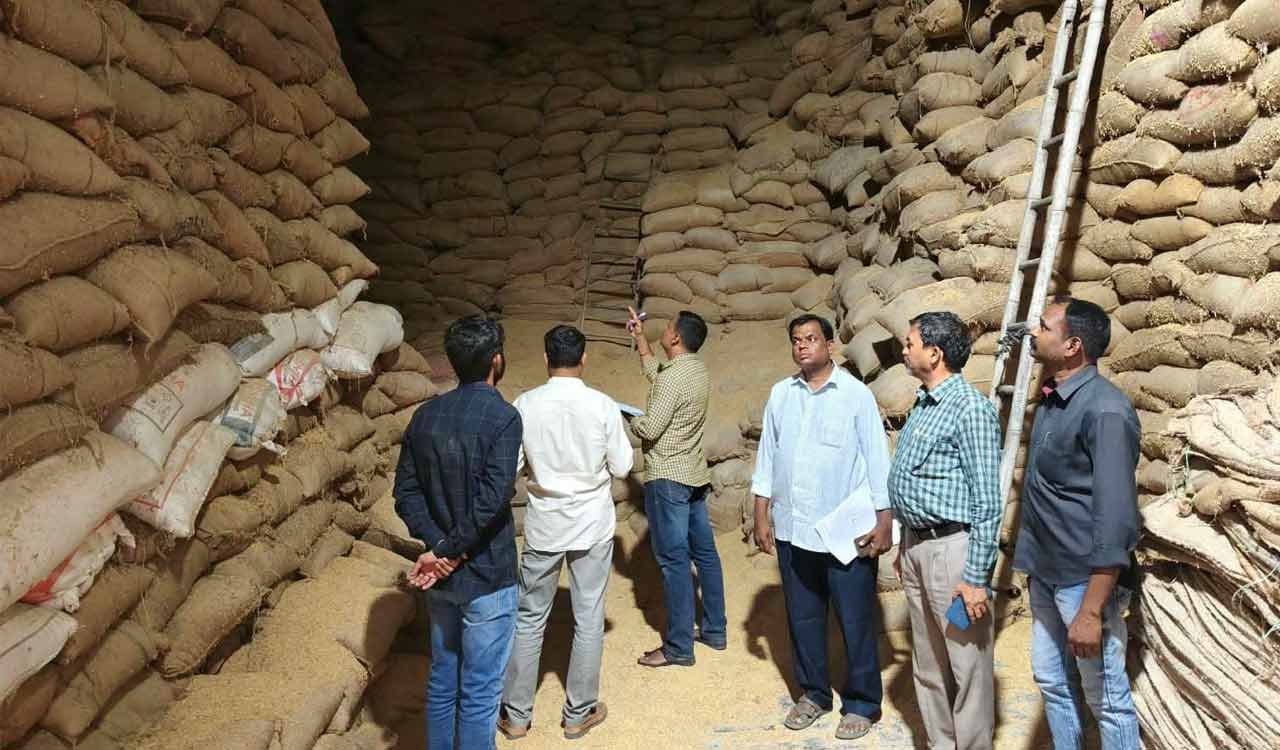
Farmers allege that traders are taking advantage of the situation by purchasing produce at lower prices, forming syndicates and storing stocks in warehouses and cold storage facilities in anticipation of future price gains once exports resume.
Turmeric cultivation remains significant in Telangana, particularly in Nizamabad and Jagtial districts. Jagtial is among the leading producers in the State after Nizamabad, with cultivation spread across about 25,000 acres and production estimated at 7 lakh to 8 lakh quintals.
India accounts for nearly 70 per cent of global turmeric production. Within the country, Telangana contributes about 24 per cent, followed by Andhra Pradesh (22 per cent), Tamil Nadu (15 per cent), Odisha (13 per cent), Assam (6 per cent), and Maharashtra and Kerala (4 per cent each), while Karnataka and Sikkim account for smaller shares.

Related News