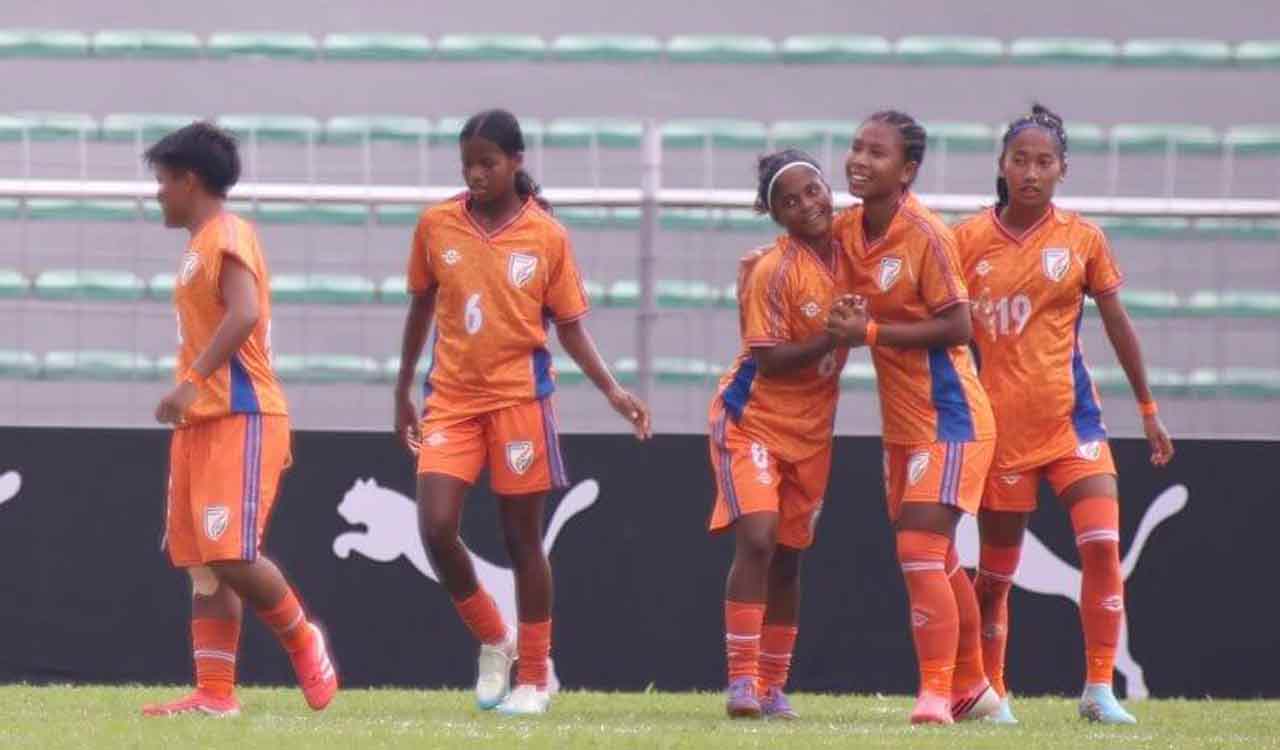
FIFA World Cup 2026 faces broadcast uncertainty in India
India is yet to finalise broadcasting rights for the FIFA World Cup 2026, raising concerns over a possible viewing blackout for millions of football fans. High rights costs, reduced bidders and advertising concerns have complicated negotiations with just weeks remaining.


The FIFA World Cup 2026 starts on June 11 in the US, Canada and Mexico. However, as of now, no Indian TV channel or streaming platform has acquired the rights to broadcast it. This means 85 million Indian fans may have no legal way to watch the tournament’s 48 teams compete across 104 matches, potentially leading to an unprecedented blackout.
The main issue revolves around the asking price for broadcasting rights.
FIFA initially sought $100 million for the broadcasting rights of the 2026 and 2030 World Cups, but no company in India submitted a bid.
The price was later reduced to $35 million before being raised again to $60 million. JioStar, owned by Reliance Disney, reportedly valued the rights at around $25 million, and its subsequent $20 million offer was rejected. Meanwhile, Sony reportedly said the deal “does not make sense” and chose to stay out.
Several other factors could worsen the situation. Since most matches will be telecast late at night in India, there are concerns that advertising revenues may be lower.
TV broadcasters already spend huge amounts on cricket rights.
The strong dollar has made deals more expensive in rupee terms. In addition, industry consolidation and major mergers have reduced the number of companies participating in the bidding process. In 2022, Viacom18 paid $62 million for rights to a single FIFA World Cup.
FIFA officials reportedly visited Delhi this week to resolve the issue.
A case was filed in the Delhi High Court claiming that blocking access to the World Cup would violate people’s right to information.
The case was withdrawn on May 19 but may be filed again.
Both Prasar Bharati and Doordarshan Sports have stated that they are not obligated to purchase the rights, effectively closing the government broadcaster option, which had appeared to be the most viable alternative until now.
China finalised its deal last week, while India is yet to do so.
With three weeks left, FIFA’s “most inclusive” World Cup risks going dark in its second-biggest market, potentially causing a significant revenue loss and leaving Indian fans without a legal way to watch one of the world’s biggest sporting events.

Related News