Gig workers in Hyderabad caught in ‘heat trap this summer
Hyderabad gig workers face extreme heat risks as peak work hours coincide with the city’s hottest period. A HeatWatch-TGPWU study reports widespread heat exhaustion, dizziness, and inadequate cooling infrastructure, prompting calls for heat safety pay and mandatory rest breaks
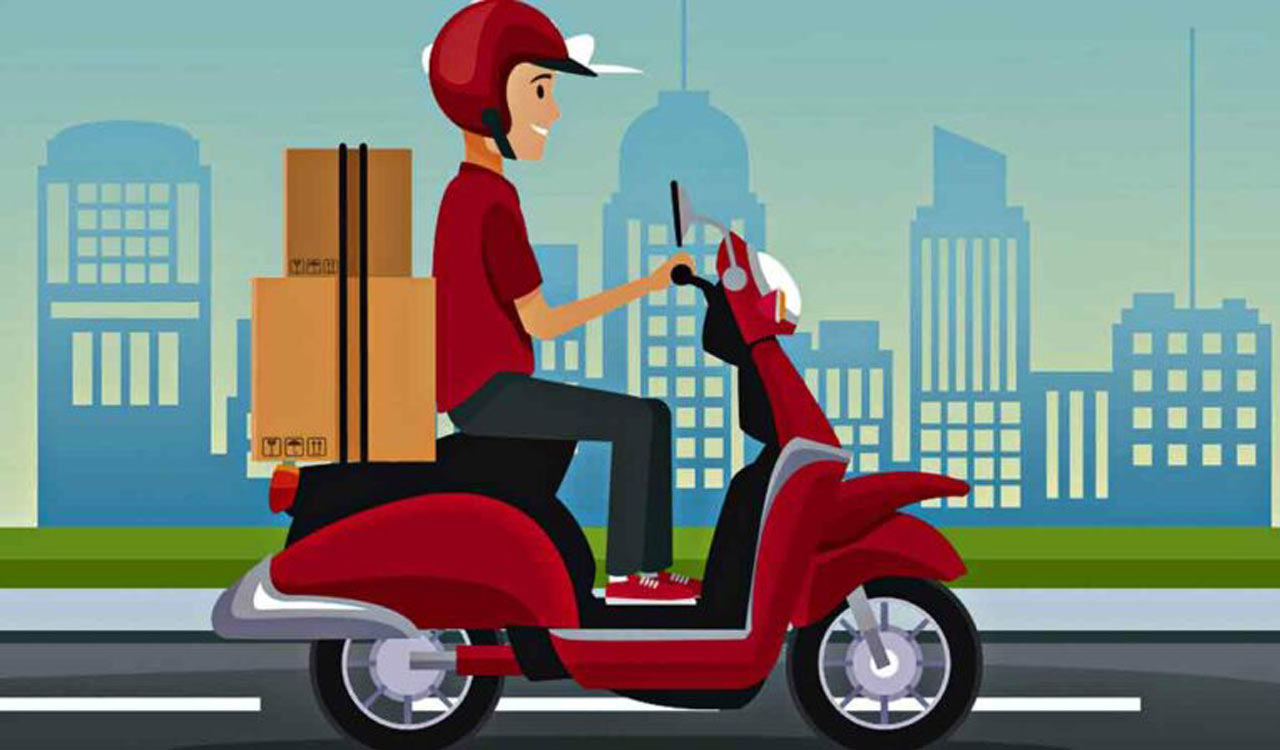


Hyderabad: While the state health officials have issued an advisory for the public to avoid venturing out between 12 noon and 4 pm to escape the intense heat, for the city’s estimated 4 lakh gig workers, this is precisely the ‘window’ when their workday is most intense.
With temperatures already rising and Indian Meteorological Department (IMD), Hyderabad indicating that some regions could hit 40 degree Celsius this week, the coming months are set to be the toughest for those involved in outdoor labour.
A collaborative study by HeatWatch and the Telangana Gig and Platform Workers Union (TGPWU) titled “The Gig Workers Heat Trap” has highlighted the tough reality of working in harsh weather conditions.
The study (released in August, 2024), which covered gig and platform workers in Hyderabad, indicated that 52 percent of the delivery and ride-hailing partners experience symptoms of heat exhaustion during summer.
The advisory issued by the Director of Public Health, Telangana, Dr B. Ravinder Nayak, is quite clear, which is to avoid sun during peak hours and stay hydrated. However, for those working for food delivery and quick-commerce apps, the peak heat hours also coincide with the lunchtime rush, which is the most lucrative period for earnings.
“The Health department advisory may tell us to stay inside. But our app sends notification for a high demand surge at exactly 1.30 pm. If a gig worker decides to log-off to escape the heat, then he will also risk losing daily targets. It’s a choice between heatstroke and an empty stomach,” says founder president of TGPWU, Shaik Salauddin.
The Heatwatch-TGPWU report indicated that 46 percent of workers surveyed reported frequent dizziness and nausea and yet only half sought medical help due to financial constraints and lack of medical insurance.
The study pointed out a lack of ‘cooling infrastructure, as such workers often have no access to clean drinking water or shaded rest zones between deliveries. Women workers faced disproportionate health risks, with a rise in UTIs reported due to inadequate access to public washrooms during long outdoor shifts.
“We have been raising this issue for a long time. In fact, we have submitted the report to multiple authorities including NHRC and even the State government. There is a definite need for ‘heat safety pay’ and mandatory 15-minute cooling breaks every hour during days when there is a heat wave warning,” says Salauddin.
Some important points:
- GHMC must establish shaded hubs, cooling points with ORS and drinking water at delivery hotspots in Hyderabad
- Platforms must tweak their algorithms to disable penalties who stay offline during peak hours
- 12 noon to 4 pm is the peak work hour for gig and platform workers
- Special drive to cover heat related illness by public health wing for gig workers
- Need for accessible washrooms during long outdoor shifts

Related News