
Govt to review diesel and ATF export tax every fortnight
The government will review windfall tax on diesel and ATF exports every fortnight to ensure domestic supply. Alongside, a Rs 10 excise duty cut aims to ease consumer burden as global oil prices surge due to geopolitical tensions
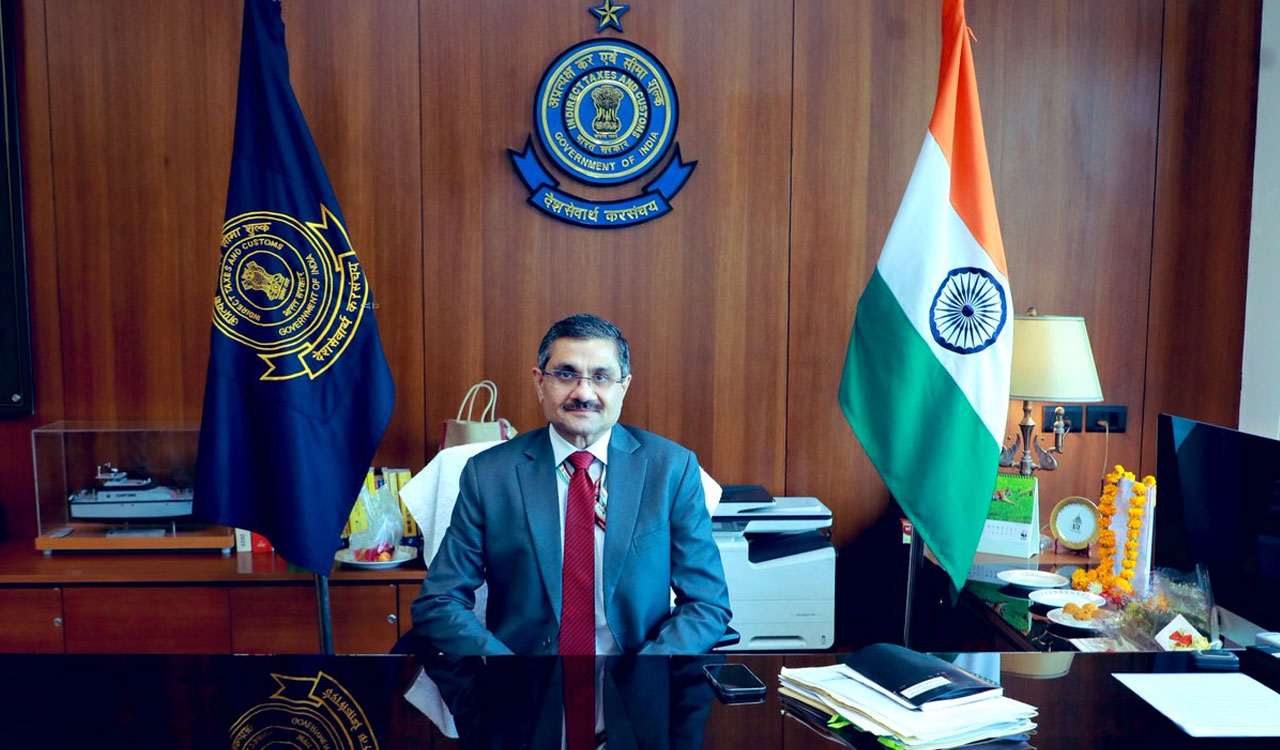


New Delhi: CBIC Chairman Vivek Chaturvedi on Friday said the government will review the special additional excise duty or windfall tax on diesel and ATF every fortnight.
The move to levy special additional excise duty (SAED) is to ensure domestic availability of diesel and ATF, Chaturvedi said while briefing the media.
The revenue gain from SAED is estimated at Rs 1,500 crore in the first fortnight, he added.
The government has imposed an export duty of Rs 21.5 per litre on diesel and Rs 29.5 per litre on aviation turbine fuel (ATF) to discourage exports and improve domestic supply. The new rates came into effect on Friday.
The SAED is a levy first introduced in July 2022 to curb windfall gains by refiners following Russia’s invasion of Ukraine. It was withdrawn in December 2024.
Besides, the government has slashed excise duty on petrol and diesel by Rs 10 per litre each, a move aimed at shielding domestic consumers from a surge in global oil prices triggered by the West Asia conflict.
Revenue loss due to the excise duty cut on petrol and diesel will be Rs 7,000 crore for the next 15 days, the CBIC chief said.
The excise duty cut on petrol and diesel is aimed at reducing under-recoveries of oil marketing companies (OMCs) and ensuring prices do not rise for the common man, Chaturvedi said.
“In view of the West Asia crisis, the central excise duty on petrol and diesel for domestic consumption has been reduced by Rs 10 per litre each. This will provide protection to consumers from a rise in prices. Hon PM @narendramodi has always ensured that citizens are protected from vagaries of supply and costs of essential goods,” the Finance Minister said in a post on X.
Further, she said duties have been imposed on exports of diesel at Rs 21.5 per litre and on ATF at Rs 29.5 per litre.
“This will ensure adequate availability of these products for domestic consumption. Parliament has been notified about the same,” she said.
Asked about the revenue impact of the cut in excise duty on petrol and diesel, Chaturvedi said the revenue department is looking at the trend of supplies.
“The situation is dynamic. We are living in difficult times,” he added.
The excise duty cut follows record losses that oil companies suffered due to the surge in international oil prices. Prices of crude oil, the raw material for making petrol and diesel, have surged almost 50 per cent this month as the US and Israel attack on Iran and Tehran’s retaliation disrupt global supply.
Despite oil prices rising above USD 100 per barrel, retail pump rates had remained frozen. This had led to oil companies incurring record losses, which had even started impacting their working capital.
To ease the burden, the government cut excise duty. The reduction will be adjusted against the Rs 24 per litre required increase in petrol and Rs 30 per litre hike in diesel rates warranted due to the rise in international oil prices.
International oil prices touched USD 119 per barrel earlier this month amid the intensifying Iran conflict, before easing to around USD 100 a barrel.
The first signs of stress came when Nayara Energy, the country’s largest private fuel retailer, raised petrol price by Rs 5 per litre and diesel by Rs 3 per litre on Thursday. Petrol at Nayara pumps now costs Rs 100.71 per litre and diesel costs Rs 91.31 per litre.
State-owned fuel retailers, which control about 90 per cent of the market, continue to keep rates frozen. A litre of normal petrol in Delhi continues to cost Rs 94.77 at their outlets, while the same grade of diesel costs Rs 87.67 per litre.

