Harish Rana, first Indian allowed passive euthanasia, cremated in Delhi
Harish Rana, India’s first approved passive euthanasia case, was cremated in New Delhi after 13 years in a vegetative state. The Supreme Court of India had permitted withdrawal of life support under legal guidelines
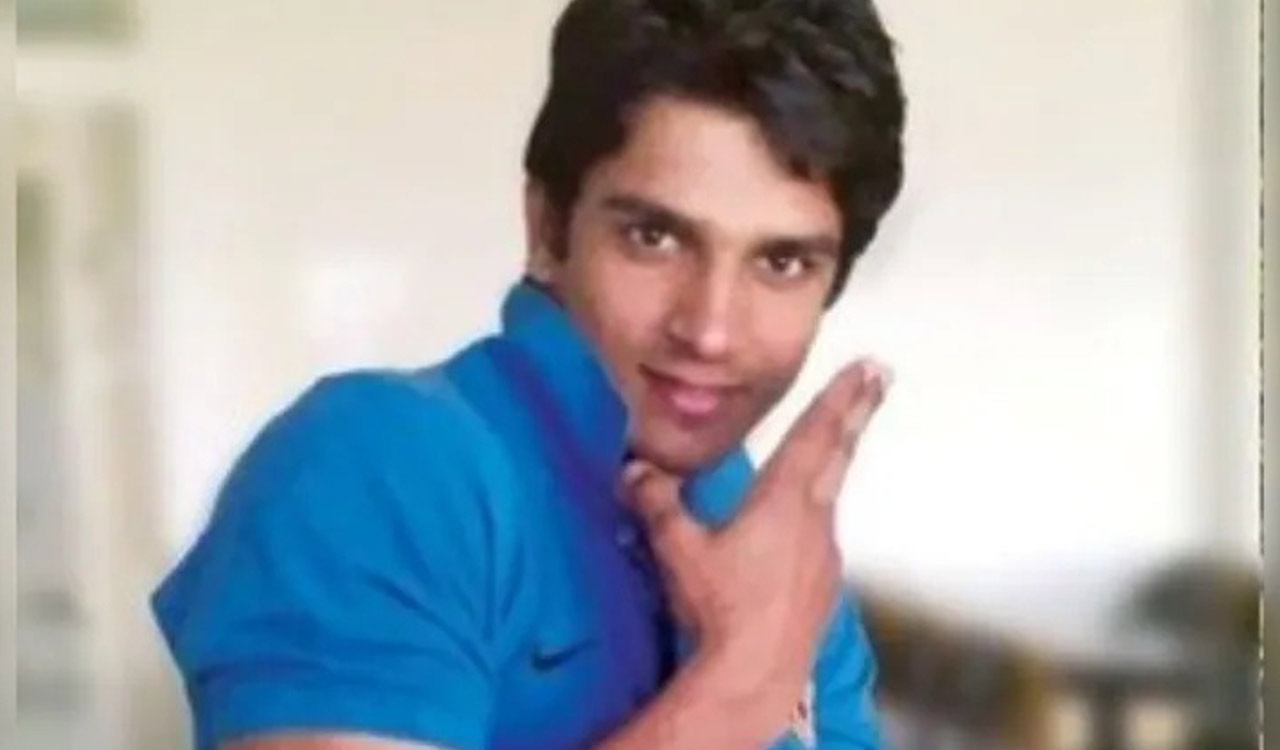


New Delhi: The final rites of Harish Rana, the first person in India to be granted permission for passive euthanasia, were conducted on Wednesday at New Delhi’s Green Park cremation ground.
Rana passed away on Tuesday at the All India Institute of Medical Sciences (AIIMS), New Delhi, after remaining in a vegetative state for more than 13 years. His brother, Ashish Rana, and sister Bhavna performed the final rites.
Uttar Pradesh Congress president Ajay Rai was also present to offer support to the family. “The family is certainly in a very sad and serious situation, and today, after 13 years, they were unable to save their child. Harish Rana also donated five organs as he left the world. He became an inspiration to the world. I thank his family, they did a great job,” Rai said. “The entire Congress party stands with the family in this difficult time,” he added.
The 31-year-old, who had been in a permanent vegetative state since 2013 following a severe head injury, was shifted from his Ghaziabad residence to the palliative care unit at the Dr BR Ambedkar Institute Rotary Cancer Hospital at AIIMS on March 14, where the process of withdrawal of life-sustaining treatment was being carried out in accordance with court guidelines.
Earlier this month, on March 11, the Supreme Court allowed passive euthanasia for Rana, permitting the withdrawal of life support under strict medical supervision.
A Bench of Justices JB Pardiwala and KV Viswanathan had ruled that the medical board could exercise its clinical judgment in line with the principles laid down in the landmark 2018 judgment in Common Cause vs Union of India, which recognised the legality of passive euthanasia and living wills.
Allowing the plea filed by Rana’s family, the apex court had directed that he be admitted to AIIMS for end-of-life care, noting that he was suffering from 100 per cent disability, quadriplegia, and required continuous assistance for breathing and feeding through medical tubes.
Medical assessments conducted by expert boards concluded that Rana’s condition was irreversible, with negligible chances of recovery. He had been dependent on a tracheostomy tube for respiration and a gastrostomy tube for nutrition. The case had its origins in a petition filed by Rana’s parents before the Delhi High Court, seeking permission for passive euthanasia.
The High Court had earlier declined relief, prompting the family to move to the Supreme Court. During earlier hearings, the apex court had explored alternatives, including home-based medical care, after the Union government proposed assistance such as nursing support, physiotherapy, and free medicines. However, the family later approached the Supreme Court again, citing deterioration in his condition and lack of improvement despite prolonged treatment.
After reserving its verdict in January, the top court delivered its judgment allowing passive euthanasia, marking a significant moment in India’s evolving legal and ethical discourse on end-of-life care. This brings closure to a long legal and medical struggle endured by his family, while also highlighting the complexities surrounding passive euthanasia in India.

Related News
-

SC seeks replies from Centre, NCPCR on PIL for framework to protect children from social media risks
-
Jawa celebrates Czech roots and its legacy among Indian riders
-
Rahul Gandhi’s SIR petition faces 14 defects flagged by Supreme Court registry
-
Revanth Reddy likens fight to protect voting rights to freedom struggle