High Courts must be proactive to protect rule of law: CJI
Chief Justice of India Surya Kant urged High Courts to be proactive in addressing failures in the rule of law and stressed that delayed justice destroys trust. He called for greater use of mediation and said High Courts must remain accessible centres of constitutional remedy
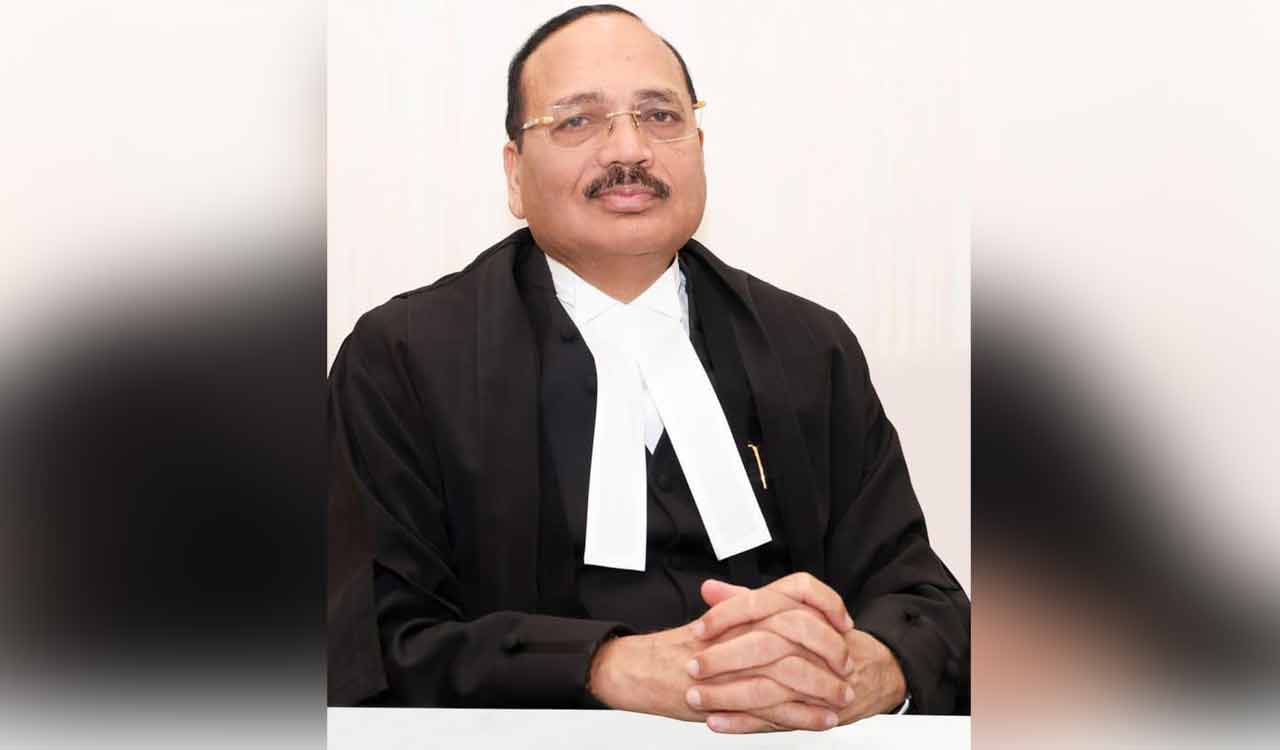


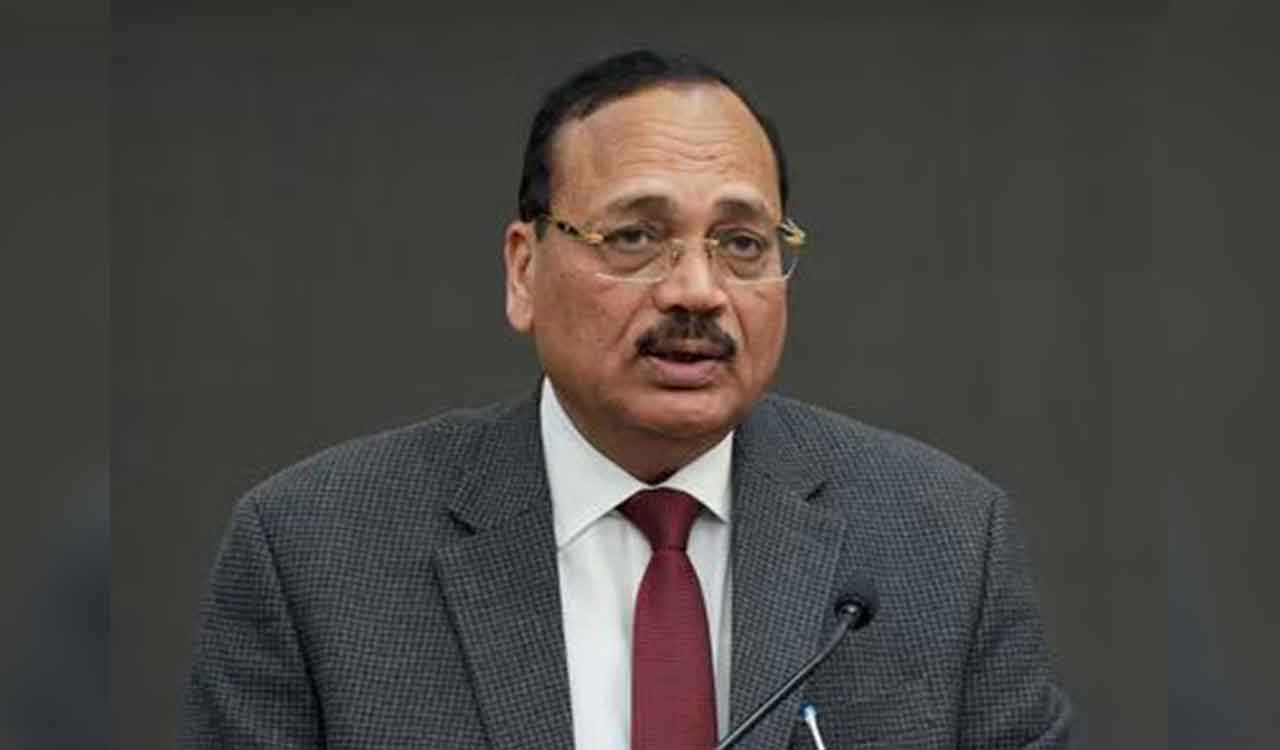
Mumbai: High courts need to be more proactive and alert to systematic failures in the rule of law, Chief Justice of India Surya Kant said on Saturday, while asserting that “justice delayed is not only justice denied but it is justice destroyed”.
He also emphasised the need to encourage mechanisms of mediation and reconciliation.
The CJI was speaking at two events here, one at the Fali Nariman memorial lecture and the second at a felicitation programme organised by the Bombay High Court.
CJI Kant, in his speech at the Fali Nariman memorial lecture, urged High Courts to be more proactive and remain alert to systematic failures in the rule of law and not wait for a knock on their doors.
“The goal must be to transform access to justice from a passive right to a state-guaranteed service. Justice delayed is not only justice denied but it is justice destroyed,” he said.
While speaking at the felicitation programme organised by the Bombay High Court, CJI Kant emphasised the need to strengthen dispute resolution beyond the courtroom.
“The future of justice depends not only on how efficiently we adjudicate disputes but also on how wisely we resolve them. Mediation, reconciliation and arbitration are not just alternatives of convenience but they are instruments of mature justice,” he said.
They preserve relationships, reduce costs and delays, and allow courts to focus their energies on cases where authoritative adjudication is truly required, CJI Kant said.
“Courts must create an environment where mediation is encouraged. The success of these mechanisms rests largely on a proactive court where judges are open to exploring alternative dispute resolution with seriousness,” he urged.
CJI Kant said the budget allocation for the judiciary is liberal and adequate in Maharashtra and every request is met in a most respectable manner and without any delay by the state government.
High Courts should not remain only revisional or appellate courts but should be vibrant and accessible centres of constitutional remedy, CJI Kant said.
High Courts are not mere stepping stones to the Supreme Court, the CJI stressed.
“High Courts are the primary sentinel guarding the doorsteps of the ordinary citizen, ensuring that the rule of law is not a distant concept but a localised, breathing reality,” he said.
It is the court that hears the first cry of an infant child, the CJI remarked.
“While the Supreme Court may have the final word, the High Court often has the most vital one,” he opined.
“When the law is silent, the sentinel does not remain mute. We have seen High Courts issue directions to protect the environment, ensure dignity of every human being, including prisoners, and secure the rights of migrant workers during a national crisis,” CJI Kant said.
The CJI urged High Courts to strengthen and adapt to the digital era so that access to justice becomes easier.
CJI Kant said he is often vocal against those who approach the Supreme Court directly without first availing the remedy of moving the High Court.
“People who are rich and privileged should not think that they have direct access to the Supreme Court merely because Article 32 of the Constitution allows it,” he said.
Remembering the contribution of Fali Nariman during the Emergency period, CJI Kant said the turbulent 1970s brought the nation to a constitutional crossroads.
The declaration of Emergency tested the very soul of democracy, he said.
The CJI said the country’s constitutional journey cannot be understood without recalling the long shadows cast by colonial rule and the fact that citizens lived under laws that were often instruments of control rather than guardians of freedom.
“Civil liberties were not merely neglected but were deliberately muted and denied. The voices of Indians were silenced by ordinances, censorship, preventive detention and laws that prioritised imperial convenience over human dignity,” he said.
The suppression of liberties through colonial legislation left an indelible lesson, and the nation realised that rights without remedies are hollow, the CJI said.

Related News