How and when do you know if menopause has set in?
Menopause is associated with several physical and psychological manifestations that significantly impact an individual's physical, social, and emotional well-being.



New Delhi: Menopause is a natural biological process that marks the end of the menstrual cycle. If a woman does not menstruate for 12 consecutive periods, she is said to have reached menopause. Generally, women between 40 and 50 years experience menopause; however, it may vary depending on age, race, ethnicity, genetics, and medical conditions. Scientifically, menopause occurs when the ovaries eventually stop releasing eggs and female sex hormone levels deplete, signifying the end of reproductive years for the woman.
Menopause is associated with several physical and psychological manifestations that significantly impact an individual’s physical, social, and emotional well-being. A woman nearing menopause starts experiencing the indicative symptoms a few years before menopause, termed the perimenopausal stage. The menopausal symptoms may further extend till post-menopause and may even last life-long.
Also Read
Menopause Indicators and Diagnosis
Several health conditions and physical characteristics typify menopause which may vary in occurrence, severity, and intensity for every woman. These symptoms signal a reduction in estrogen production and hormonal fluctuations. Menstrual irregularities like skipping periods, disrupted cycles, extended or reduced duration, heavy or less flow, spotting, etc., are the foremost and most prominent indicators of menopause. The menopausal transition can be recognized by experiencing the following symptoms.
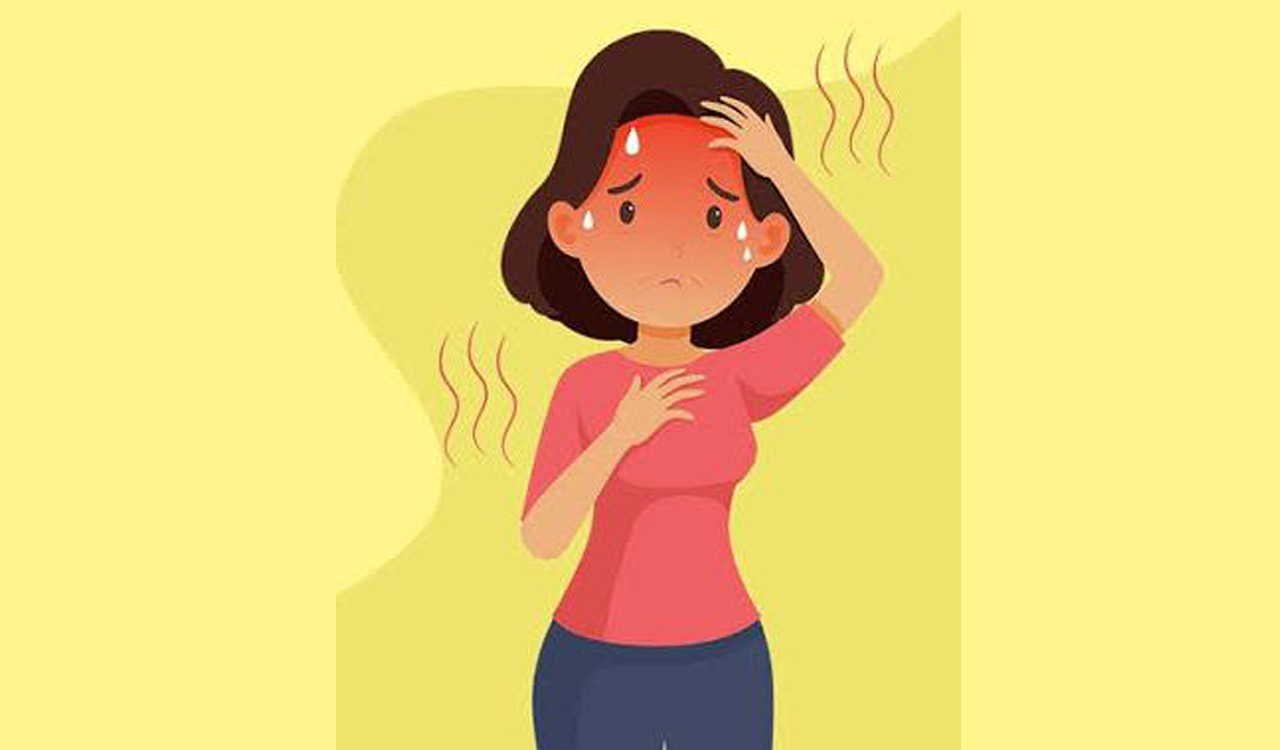
Hot flushes – The sudden feeling of warmth spreads over the body, usually most intense over the face, neck, and chest, along with profound sweating.
Night sweats – Hot flashes occurring during the night are generally termed night sweats.
Cold flashes – menopause cold flashes are chills that develop immediately or after a hot flash.
Vaginal dryness – During premenopause, the vagina becomes dry, leading to discomfort during sex.
Urinary incontinence – The loss of bladder control varying from a slight loss of urine after sneezing, coughing, or laughing to frequent urination and even complete inability to control urination.
Insomnia – It is a sleep disorder referring to persistent problems in falling and staying asleep.
Emotional changes – mood swings and emotional distress leading to irritability, anxiety, and mild depression also characterize the onset of menopause.
Physical changes – While nearing menopause, women might feel that their hair and skin become drier and thinner. Some women may gain weight, experiencing more fat around the waist, less muscles, and painful and stiff joints.
Menopause and perimenopause stages may also stimulate:
- Breast tenderness.
- Worsening of premenstrual syndrome (PMS).
- Some people might also experience the following:
- Racing heart.
- Headaches.
- Joint and muscle aches and pains.
- Changes in libido (sex drive).
- Difficulty concentrating, memory lapses (often temporary).
- Weight gain.
- Hair loss or thinning.
Women affected with the symptoms of racing heart, urinary changes, headaches, or other new medical problems should make sure there is no other cause for these symptoms.
Requisites for medical interventions
Menopause is an aging aspect that cannot be averted; however, its symptoms and associated conditions can be managed and reduced by various pharmacological and lifestyle measures. Mild menopausal conditions do not require medical assistance and can be managed with non-therapeutic techniques; however, severe cases might need suitable healthcare interventions. Therefore, it is imperative to regularly check the health conditions and visit the healthcare provider frequently.
Periodic clinical visits facilitate preventive health care and assist with various medical concerns. Depending upon the onset and intensity of the symptoms, the menopause expert may recommend health screening tests, such as blood tests, a pap smear, ultrasound or mammography. To prevent future complications, it is generally advisable to continue the clinical appointments even in the post-menopausal stage. Certain health conditions during menopause and perimenopausal stage might require immediate medical attention, which includes:
- bleeding from your vagina after menopause
- extreme symptoms
- sudden and excessive weight gain
- dizziness
- increased anxiety
- The Takeaway
Menopause symptoms are natural and normal; however, they can be incommodious for some. A healthy diet, regular physical activity, and certain lifestyle modifications help relieve symptoms and improve the overall quality of life during this transition. Catalytic factors such as smoking, alcohol consumption, caffeine dependence, stress, and anxiety trigger the effects of menopause and may worsen the symptoms; therefore must be avoided.
Be open with your healthcare facilitator regarding the health issues, menopause-associated symptoms, lifestyle difficulties, and inconveniences so that they are able to recommend apt measures and suitable interventions for your concerns.
(Dr. Ameya Kanakiya Kulkarni, Co-Founder & Gyneacologist, Elda Health)

Related News