How harmful are Invasive Species
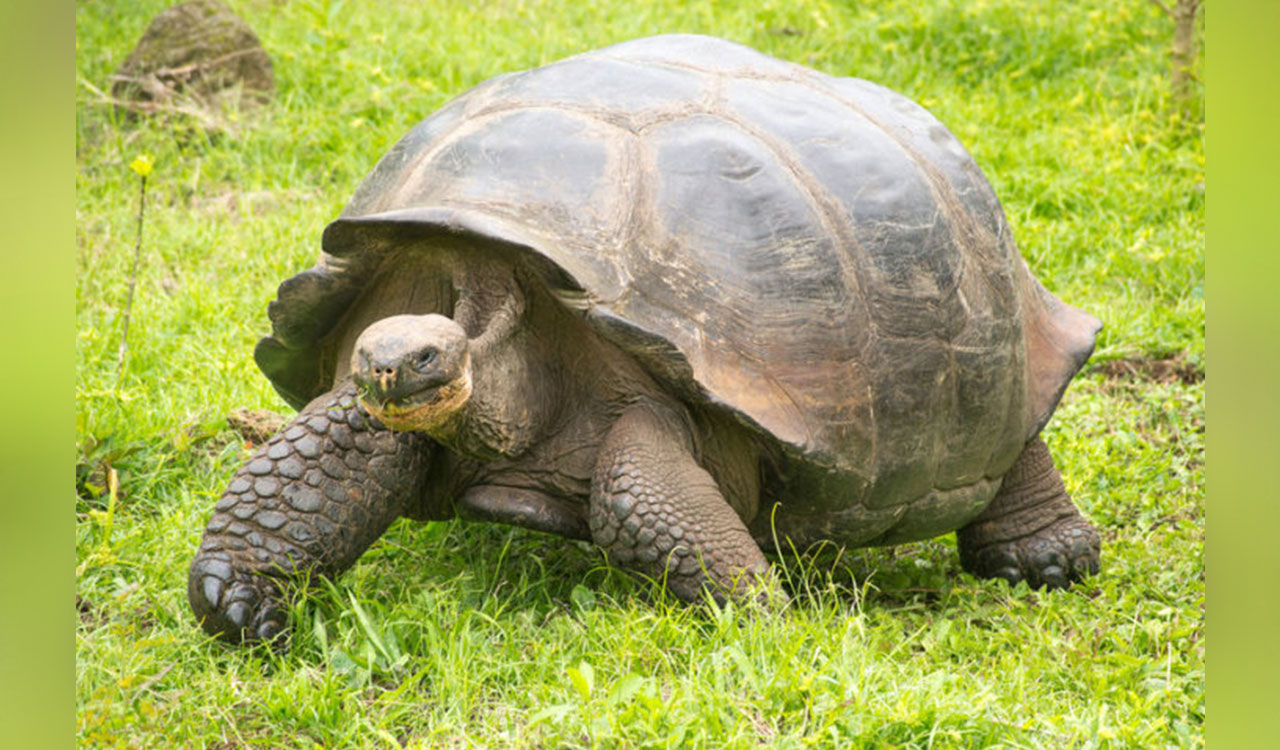
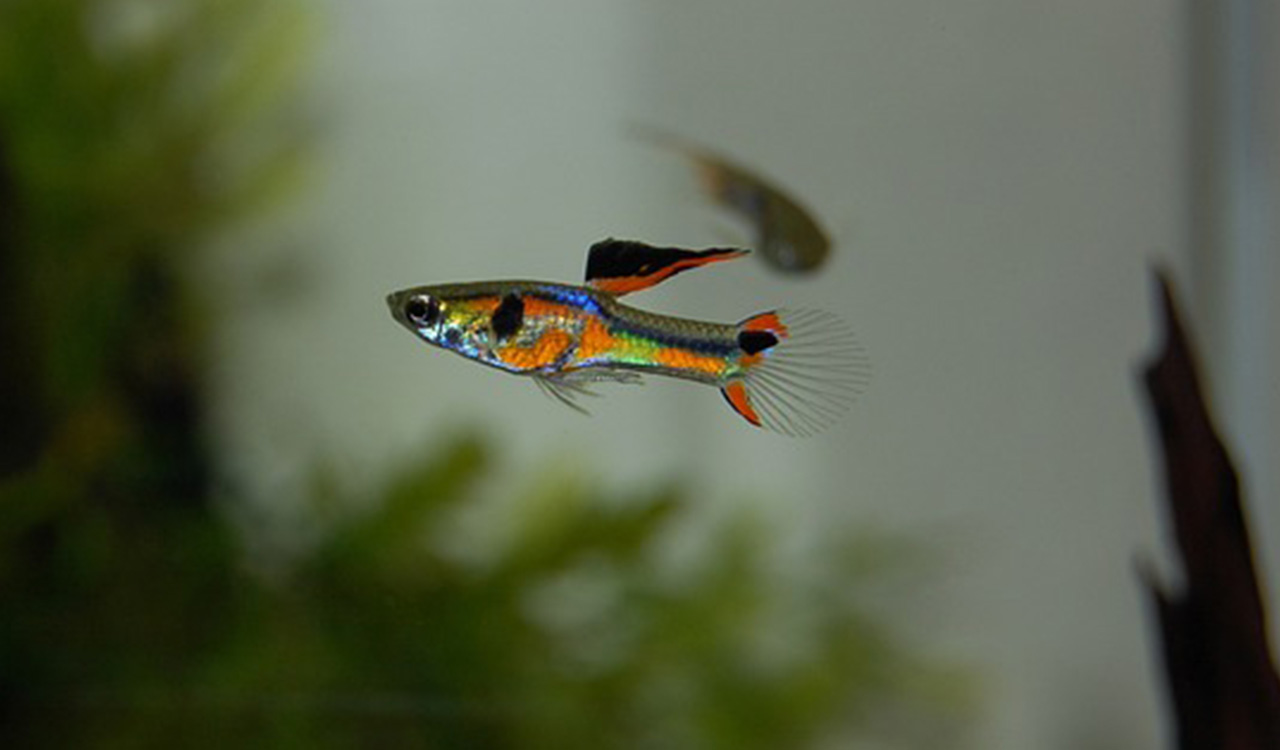
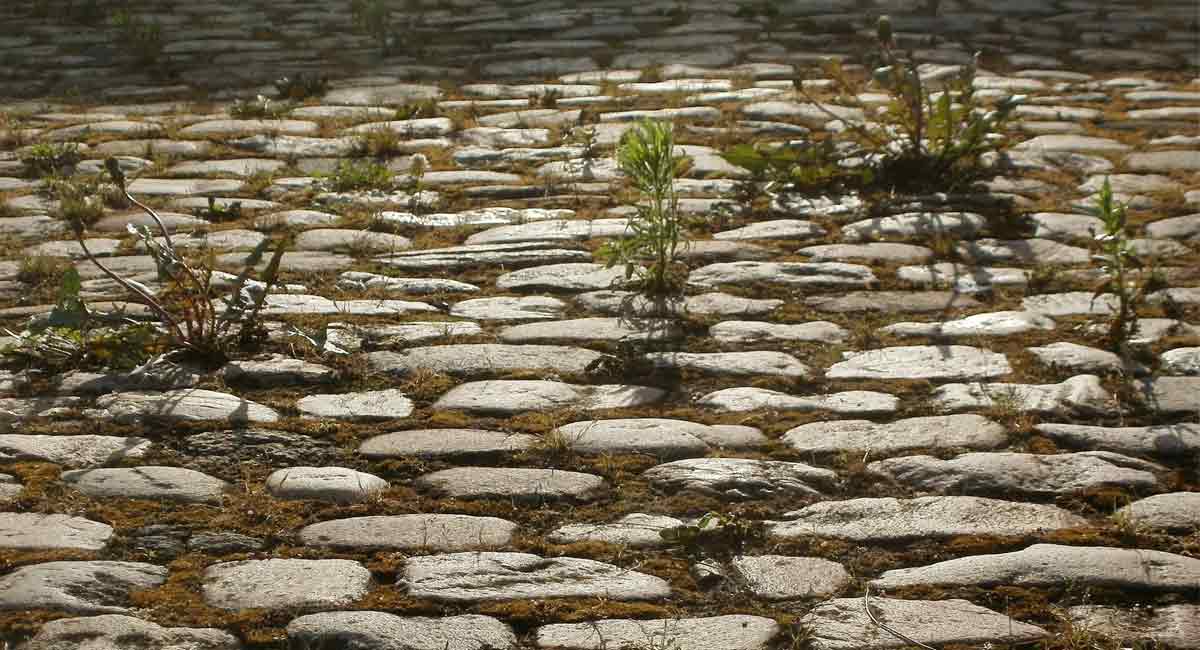
Invasive species are capable of causing extinctions of native plants and animals, reducing biodiversity, competing with native organisms for limited resources and altering habitats


An invasive species is an organism that causes ecological or economic harm in a new environment where it is not native. Invasive species can harm both the natural resources in an ecosystem as well as threaten human use of these resources. Read more about the invasive species here…
Invasive species are capable of causing extinctions of native plants and animals, reducing biodiversity, competing with native organisms for limited resources and altering habitats. Invasive species are among the leading threats to native wildlife. Approximately 42 percent of threatened or endangered species are at risk due to invasive species.
Human health and economies are also at risk from invasive species. The impacts of invasive species on our natural ecosystems and economy cost billions of dollars each year. Many of our commercial, agricultural, and recreational activities depend on healthy native ecosystems.
How invasive species spread
Invasive species are primarily spread by human activities, often unintentionally. People, and the goods we use, travel around the world very quickly, and they often carry uninvited species with them. Ships can carry aquatic organisms in their ballast water, while smaller boats may carry them on their propellers. Insects can get into wood, shipping palettes, and crates that are shipped around the world.
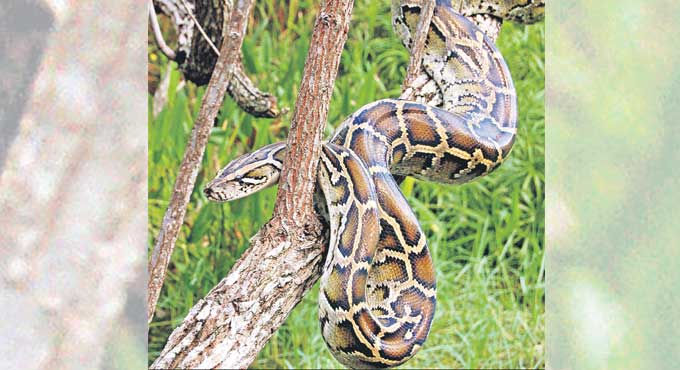
Some ornamental plants can escape into the wild and become invasive. And some invasive species are intentionally or accidentally released pets. For example, Burmese pythons are becoming a big problem in the Everglades.
In addition, higher average temperatures and changes in rain and snow patterns caused by climate change will enable some invasive plant species—such as garlic mustard, kudzu, and purple loosestrife—to move into new areas.
 Threats to native wildlife
Invasive species cause harm to wildlife in many ways. When a new and aggressive species is introduced into an ecosystem, it may not have any natural predators or controls. It can breed and spread quickly, taking over an area.
Native wildlife may not have evolved defenses against the invader, or they may not be able to compete with a species that has no predators. The direct threats of invasive species include preying on native species, outcompeting native species for food and preventing native species from reproducing or killing a native species’ young.
Curbing their spread
One way to curb the spread of invasive species is to plant native plants and remove any invasive plants in your garden. There are many good native plant alternatives to common exotic ornamental plants. In addition, learn to identify invasive species in your area, and report any sightings to officials of the concerned department.
Regularly clean your boots, gear, boat, tires, and any other equipment you use outdoors to remove insects and plant parts that may spread invasive species to new places.
Huge loss to economy
Disease-carrying mosquitoes, crop-ravaging rodents, forest-eating insects and even the domestic cat are all “exotic” intruders whose cost to humanity and the environment is vast and growing, according to a sweeping study published Wednesday.
Researchers in France estimate that invasive species have cost nearly $1.3 trillion dollars to the global economy since 1970, an average of $26.8 billion per year. And they warn that this is likely an underestimate.
Now you can get handpicked stories from Telangana Today on Telegram everyday. Click the link to subscribe.
Click to follow Telangana Today Facebook page and Twitter .

Related News