How Indian Startups Can Accept International Payments and Manage Settlements
For a Hyderabad software team selling abroad, a working checkout is only one part of that process. Someone also needs to track the money through settlement, keep the relevant records and handle failed renewals or refund requests.
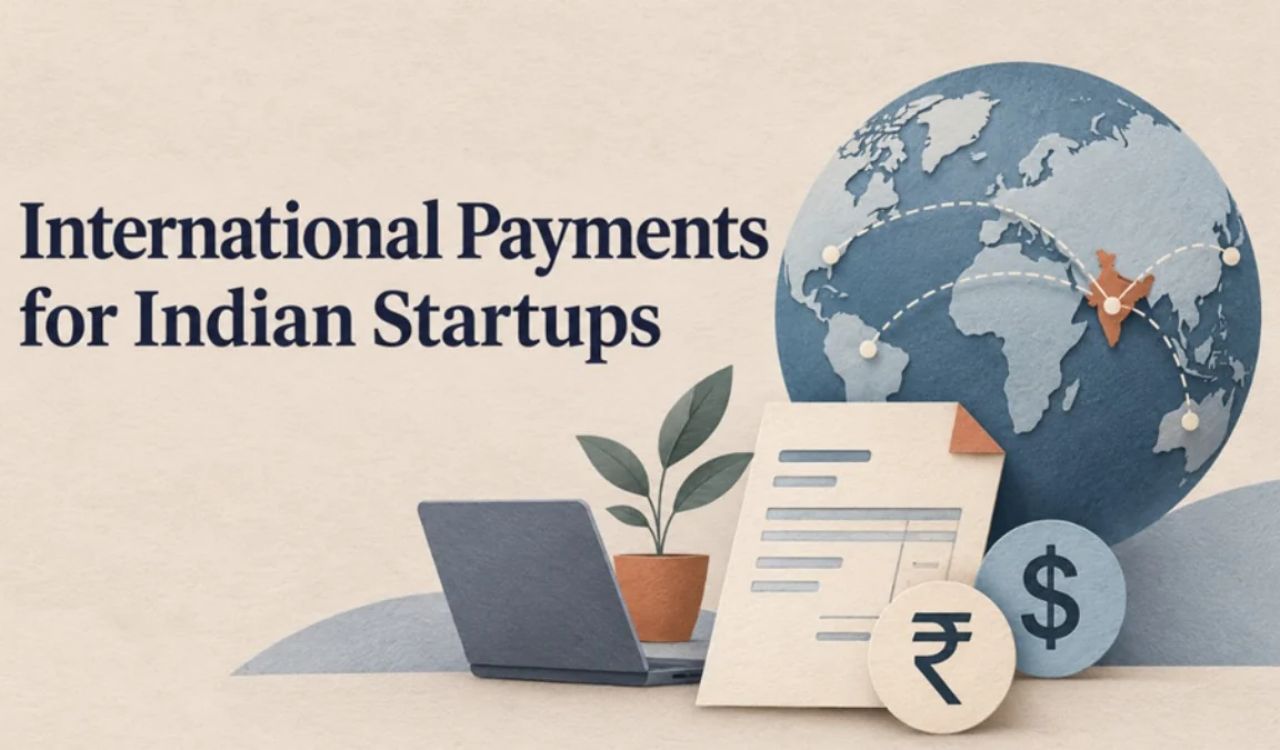


An overseas customer agrees to buy a software subscription, a design package or a batch of products. The commercial discussion is finished, but the startup still needs to answer several payment questions. Which method can the customer use, what will collection cost and how will the receipt be matched to the invoice?
For a Hyderabad software team selling abroad, a working checkout is only one part of that process. Someone also needs to track the money through settlement, keep the relevant records and handle failed renewals or refund requests. These jobs become harder when they are left until the first overseas payment arrives.
A practical setup starts with the sale itself. Decide how customers buy, which currencies they expect and what the finance team needs to record. Then choose a collection route that supports that workflow.
Match the collection method to the customer
An invoice-based consulting business and a self-service software product may both earn overseas revenue, but their customers pay differently. A company buying a project may prefer a bank transfer through its procurement team. An individual subscribing online may expect a card checkout.
| Sales pattern | Collection route to evaluate | Questions to resolve |
| One-off project or consulting invoice | Bank transfer or supported invoice-payment method | Payer details, transfer charges and invoice matching |
| Self-service software or digital-product purchase | International card checkout or supported wallet | Eligible markets, currencies and payment confirmation |
| Recurring subscription | A solution supporting international recurring collection | Customer consent, renewals and failed-payment handling |
| Physical products sold overseas | Checkout suited to the destination market | Payment methods, shipping evidence and refund process |
Confirm availability for the business’s category and account. A method appearing on a provider’s website does not establish that it is enabled for every merchant or transaction. Ask about eligibility before designing the sales journey around it.
For an Indian startup setting up overseas collections, Cashfree Payments is a practical starting point to accept international payments from overseas customers. Confirm which methods and currencies can be enabled for the business, then agree on the settlement and documentation process. This gives product and finance teams a specific payment flow to test before launch.
Separate invoice currency, payment currency and settlement currency
Write down the currency used at each stage. The invoice may be in US dollars, the payment method may involve currency conversion and the business may receive settlement in Indian rupees. These amounts need to be understood before the team estimates how much revenue will reach its bank account.
Ask who performs the conversion and when the exchange rate is determined. Check whether the provider’s quotation includes the relevant currency costs and whether any charge may arise on the customer’s side. A customer paying from another country may also see issuer-side charges that the startup does not control.
For recurring plans, confirm what currency appears on future bills and how price changes are communicated. Keep the website, invoice and checkout consistent about the amount being charged. An unexpected currency or amount can create support questions even when the underlying payment works correctly.
Compare the net amount received, not only the processing fee
Request a breakdown of processing charges, currency conversion, applicable taxes and any other deductions relevant to the proposed method. Ask separately about refunds, disputes and optional services. A single headline percentage may not explain the cost of the full collection route.
Use a sample transaction to compare quotations. Assume, purely for illustration, a USD 500 payment, an exchange rate of ₹84 per dollar and a 3% processing fee deducted before conversion. Those assumptions are not current market rates or a quote from any provider.
| Illustrative calculation | Amount |
| Customer payment | USD 500 |
| Processing fee at an assumed 3% | USD 15 |
| Amount remaining before other deductions | USD 485 |
| Conversion at an assumed ₹84 per dollar | ₹40,740 |
The example excludes taxes, separate currency margins, bank charges and any other adjustment. Actual providers may also apply deductions in a different order. Ask each provider to show the expected settlement for the same sample invoice so the comparison uses consistent inputs.
Repeat the exercise at the startup’s typical order value. A fixed charge has a different effect on a small subscription from a large project invoice. Check the cost of likely refunds as well, especially where a sale can be cancelled after currency conversion.
Confirm the permitted payment route and onboarding requirements
Cross-border collection is subject to Indian foreign-exchange and payment regulations. The RBI’s payment-aggregator framework includes cross-border activity, but the applicable route depends on the transaction and provider’s role. Check the relevant permissions with the provider and the startup’s bank rather than assuming that domestic acceptance automatically covers overseas sales.
Prepare the requested business, ownership and bank details, along with an accurate explanation of what is sold. Ask whether the product category, customer countries or payment sizes create additional requirements. Keep the description consistent with the website and commercial documents.
Get the document checklist and expected review steps before announcing a launch date. If the business changes its products or sales model later, confirm whether the existing payment setup still covers the activity. A service enabled for one use case should not be assumed suitable for every future transaction.
Agree on payment terms before issuing the invoice
For project work, specify the billing currency, due date, payment milestones and how transfer charges will be handled. State what happens if the customer pays less than the invoiced amount because an intermediary deducted a fee. These points are easier to settle before the invoice enters a buyer’s approval process.
For online sales, keep the product description, cancellation policy and support contact visible before payment. A subscription should explain its billing frequency and how customers can manage or cancel it. Make sure the invoice and receipt describe the same purchase the customer approved.
Use an invoice or order reference throughout the collection process. If a customer pays several invoices together, request an allocation and record it. If one invoice is paid in stages, keep the amount received and the balance due visible to both accounts and the person managing the customer relationship.
Organise the records needed after money arrives
Keep the invoice, agreement or order, payment reference and bank credit connected. Retain delivery records appropriate to the sale, such as shipment information or evidence that a service was supplied. This makes it easier to investigate a receipt or answer a later customer dispute.
Ask which remittance advice or receipt documentation the bank or provider supplies, when it becomes available and how to obtain corrections. Terms such as FIRS, FIRA and e-BRC can refer to different records or processes; establish which document is required for the startup’s particular purpose. A dashboard’s successful-payment label does not replace that check.
Where a purpose code is required, confirm that it matches the underlying activity. Have the accountant and relevant bank or provider clarify uncertainties before repeatedly applying the same classification. Keep their instructions with the payment process so the next person does not have to guess.
Receiving money from abroad also does not automatically determine the GST treatment of the sale. Export-of-service conditions and other requirements depend on the facts, and permitted INR receipts can require specific consideration. Have the accountant confirm the treatment, including any applicable LUT or reporting process, for the actual business model.
Track each payment through settlement
Maintain a register connecting the customer, invoice, payment reference, original currency and gross amount. Add the deductions, exchange rate where supplied, net settlement amount and bank reference. The register should explain both what the customer paid and what the startup ultimately received.
Reconcile these records against provider reports and the bank statement. Several customer payments may be included in one settlement, while a large invoice may arrive through several receipts. Record the allocation rather than assuming every bank credit represents one sale.
Assign an owner to unmatched items and keep an expected settlement date based on the agreed terms. If a payment is late, the team should know whether it is awaiting customer action, provider processing, documentation or a bank investigation. That distinction makes customer and provider conversations more useful.
Build payment confirmation into the product
For a self-service product, decide what confirms access to the service. The application should use the provider’s documented payment-status verification process rather than relying only on a browser redirect. It also needs to handle repeated notifications without issuing the same entitlement or order twice.
Test the cases that can leave a customer uncertain: a closed browser, a failed attempt followed by a successful retry, or a delayed notification. Support should be able to locate the payment without asking developers to inspect the database for every query. For subscriptions, define how failed renewals affect access and when the customer is contacted.
Invoice-based businesses need an equivalent manual rule. Specify who confirms receipt and who tells the delivery team that a milestone can begin. A forwarded message from the customer should help identify the payment, rather than automatically releasing the next stage of work.
Prepare for refunds and disputes
Document who can approve a refund and what the customer will be told about timing. Check how the provider handles fees and exchange-rate differences, because the amount in the customer’s currency and the corresponding INR movement may differ. Avoid promising that every refund will reproduce the original conversion exactly.
A chargeback is a dispute raised through the payment system and needs its own response process. Keep the order details, accepted terms, delivery evidence and relevant customer correspondence accessible. Assign responsibility for responding within the applicable deadline and record the outcome against the original payment.
Check the whole process before expanding overseas sales
Start with the customer markets and payment methods the startup expects to use first. Test an eligible payment, a failed attempt, a refund and a complete settlement record. Confirm that finance can explain the deductions and obtain the required documentation before increasing volume.
The practical questions behind how Indian businesses can receive international payments extend beyond whether a checkout accepts a foreign card. The team needs a repeatable way to invoice, confirm payment, reconcile settlement and support the buyer. Resolve gaps in those steps during the first transactions, while each one is still easy to inspect.