How lifestyle SUVs have transformed India’s automotive market
Then buyers started choosing tall vehicles not because they needed load capacity, but because they wanted a certain kind of Saturday. That didn't happen overnight, and understanding how it unfolded explains a lot about what you'll find in showrooms and resale listings today.
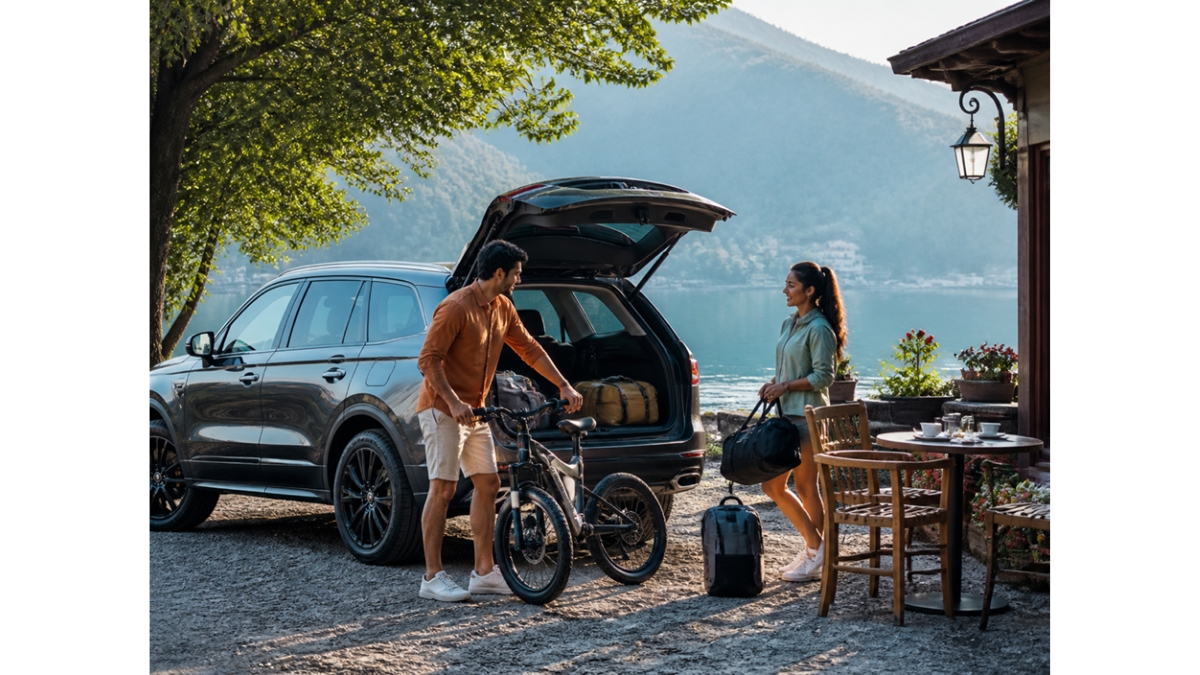


Something shifted. For decades, an SUV in India meant something purely functional – it hauled people, sacks, spare tyres, the occasional goat, and nobody expected it to be pleasant about any of it.
Then buyers started choosing tall vehicles not because they needed load capacity, but because they wanted a certain kind of Saturday. That didn’t happen overnight, and understanding how it unfolded explains a lot about what you’ll find in showrooms and resale listings today.
From utility vehicle to weekend identity
Ruggedness used to mean compromise. That was the deal – older workhorses rode rough, drowned out conversation and priced themselves for fleet managers, not families.
When manufacturers figured out that same ruggedness could be sold as character, everything changed. Newer lifestyle models kept the visual toughness but added noise insulation, better damping, and cabins people could actually sit in for six hours without threatening to never speak to each other again.
The Thar illustrates this better than anything else in the segment. Its earlier form was a purpose-built off-roader with limited appeal outside enthusiast circles – and enthusiast circles in India are small.
The 2020 redesign kept the ladder-frame construction and four-wheel drive hardware, then layered on an automatic gearbox option, a touchscreen, and a roof that actually sealed properly. Demand for a used Mahindra Thar now comes largely from buyers who look at it as a lifestyle vehicle rather than a solely off-road-biased one. That tells you everything about how thoroughly this category has been repositioned.
The same logic spread across the segment. Compact crossovers borrowed SUV proportions without the mechanical penalty, and buyers happily accepted the trade of genuine capability for daily usability.
What changed under the skin
The engineering shift matters more than the styling shift. Worth saying plainly.
Monocoque construction moved into the segment because it delivers better ride quality, lower kerb weight, and improved crash structures – all things that suit tarmac use far better than weekend adventure.
Ladder-frame models survived, but they survived by genuinely serving buyers who need articulation and towing ability, not buyers who just want to look like they do. The part nobody tells you is how much that distinction affects ownership costs three years in.
| Trait | Traditional utility SUV | Modern lifestyle SUV |
| Design priority | Payload and durability | Ride comfort and styling |
| Construction | Ladder frame | Monocoque, or reworked ladder frame |
| Typical use | Rural duty, fleet work | City commute, weekend touring |
| Feature expectation | Minimal | Touchscreen, cruise control, connected tech |
| Fuel economy focus | Low priority | Central to buying decision |
Powertrains followed the same logic. Turbo-petrol engines in the 1.2 to 1.5 litre range now do work that once required a 2.2 litre diesel – which suits urban owners covering under 1,000 km a month just fine.
Diesel is still the sensible pick for anyone on regular long highway runs, since the running cost gap only really shows up at higher usage. Most lifestyle SUV owners don’t reach that threshold. They just don’t.
How the resale market absorbed the shift
Most people assume limited-production models with long waiting periods hold their value because the market rewards them. That’s only half the story.
Buyers pay a premium twice – once at purchase, again when they find the resale pool is thinner and less predictable than mainstream alternatives. Lifestyle SUVs with strong brand cachet do tend to resist early depreciation, roughly holding value through the first three years. Then the next generation arrives, yours looks dated, and the curve normalises fast.
The used market shows this clearly. Feature-heavy urban crossovers depreciate broadly in line with the wider market. Rugged, image-driven models hold tighter early, then fall.
Anyone shopping for second hand Mahindra cars in India should read the service history with unusual care. Lifestyle usage creates specific wear patterns that mileage figures never reveal.
Buying into the category without overpaying
Reputation doesn’t protect you. Verification does.
Request the chassis on a lift. Ask specifically about rust on frame rails of any ladder-frame vehicle. These questions cost nothing and the answers matter enormously.
Confirm the registration certificate matches the chassis and engine numbers physically stamped on the vehicle – not just what’s typed in the documents, but the actual stampings.
Check insurance claim history, since a claim record reveals accident repairs that tight-looking panel gaps sometimes hide. Verify whether the vehicle carries an outstanding loan through the hypothecation entry on the RC.
The lifestyle SUV changed Indian buying habits by making a practical body style genuinely desirable. The sensible response is to buy with the same discipline you’d apply to anything else: inspect it properly, verify the documents, and be honest about how the thing will really be used.

Related News
-

Five arrested for alleged conspiracy to kill Delhi man after two failed attempts
-
Thar driver hits domestic worker in Gurugram parking lot dumps body back at spot
-
Truck rams into jeep in Hyderabad’s Begumpet, passengers injured
-
Maruti Suzuki launches Victoris to expand presence in mid-sized SUV market