How Workplace Safety Training Reduces Workers’ Comp Claims
Most workplace injuries don’t happen because the worker was careless. They happen because the worker did not know the right way to do the job safely. This is where training becomes more than a formal exercise. It is a preventive shield. When employees consistently receive clear, relevant and repeated safety training, they become more aware […]
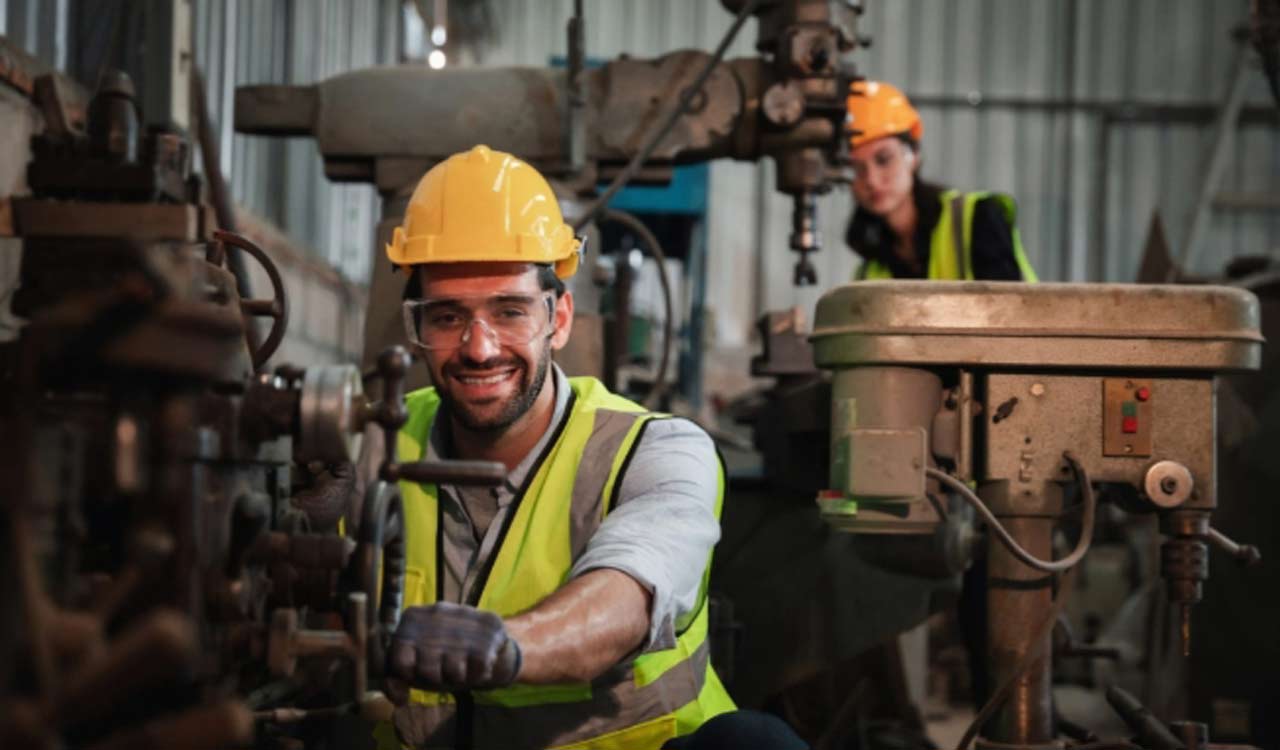


Most workplace injuries don’t happen because the worker was careless. They happen because the worker did not know the right way to do the job safely. This is where training becomes more than a formal exercise. It is a preventive shield.
When employees consistently receive clear, relevant and repeated safety training, they become more aware of everyday risks, learn to use equipment safely and react correctly during emergencies. In return, workplaces experience fewer accidents and a lower number of WC policy claim payouts.
Types of Workplace Safety Training that Work
For employers, consistent safety training is not just a culture-building exercise, it is also financially smart. When fewer accidents happen, the organisation is not burdened with medical reimbursements or wage-replacement costs, which indirectly protects the company’s business insurance exposure as well.
Onboarding Induction: This first introduction to safety sets the tone. New employees must be trained on site-specific hazards, warning signs, restricted areas, and emergency protocols.
PPE Usage: Personal protective equipment (PPE) only works when used properly. Workers must know which PPE to use for specific tasks, how to wear it correctly and how to maintain it.
Fire Safety: Training should include evacuation routes, demonstration of fire extinguishers, alarms and mock drills so people don’t panic in real emergencies.
Machine Safety: Employees working on machines must be trained on SOPs, machine guarding, lockout procedures and what to do when they spot abnormal machine behaviour.
Why Safety Training Lowers WC Claims
Improved Hazard Anticipation
When employees are trained regularly, they learn to read their environment better. They notice wet floors, damaged cables, unstable materials, unguarded machines or unsafe co-worker actions, before they lead to an accident. This proactive awareness helps prevent incidents at their source. The fewer the accidents, the less the claims exposure an organisation has to deal with.
Reduces Unsafe Behaviour
Most unsafe acts are not intentional. They are a product of poor habits, overconfidence or the urge to complete tasks quickly. Effective training explains consequences in a relatable way using real scenarios, real examples and real stories. When a worker understands what a shortcut could cost, behavioural change starts automatically. This reduces risky choices on the floor and lowers the frequency of injuries.
Strengthens Safety Culture
A trained workforce becomes a safety-conscious workforce. Slowly, safety stops feeling like instructions and becomes a way of working. Employees correct small mistakes and take collective responsibility. This peer-driven culture is far more impactful than any signage. A strong internal culture immediately reflects in lower incident rates.
Faster Incident Reporting
Training also teaches workers who to contact, which channel to use and what details to report when there is an accident or a near miss. Early reporting enables immediate medical assistance, containment and fixes. Small injuries do not escalate into major accidents because intervention is fast. This reduces the severity of claims and even eliminates some claims completely.
How to Measure Safety Training Effectiveness?
Pre- and post-assessment scores: Test knowledge before and after training to check if the understanding gap has reduced.
Claim frequency reduction: Track claim year-on-year. Quality training reflects in fewer and less severe claims.
Behaviour observation: Supervisor audits, peer reporting and informal observations help track whether safe behaviour is becoming a second nature.
Strengthen Your Safety Culture with Comprehensive WC Policy from TATA AIG
Even with the strongest safety culture, uncertainty can still strike. TATA AIG offers comprehensive WC policy plans designed for diverse workforce categories and varied job risk profiles.
With TATA AIG, you can combine proactive safety training with dependable financial protection with their diverse business insurance plans, ensuring your employees are supported and your organisation remains secure even in unexpected situations.

Related News