Hydrogen is the future of transport, says Nitin Gadkari
Union Minister Nitin Gadkari said hydrogen is the future of the transportation industry as the government conducts pilot trials on 10 routes across India. He also highlighted road safety, alternative fuels, electric buses and infrastructure development as key priorities
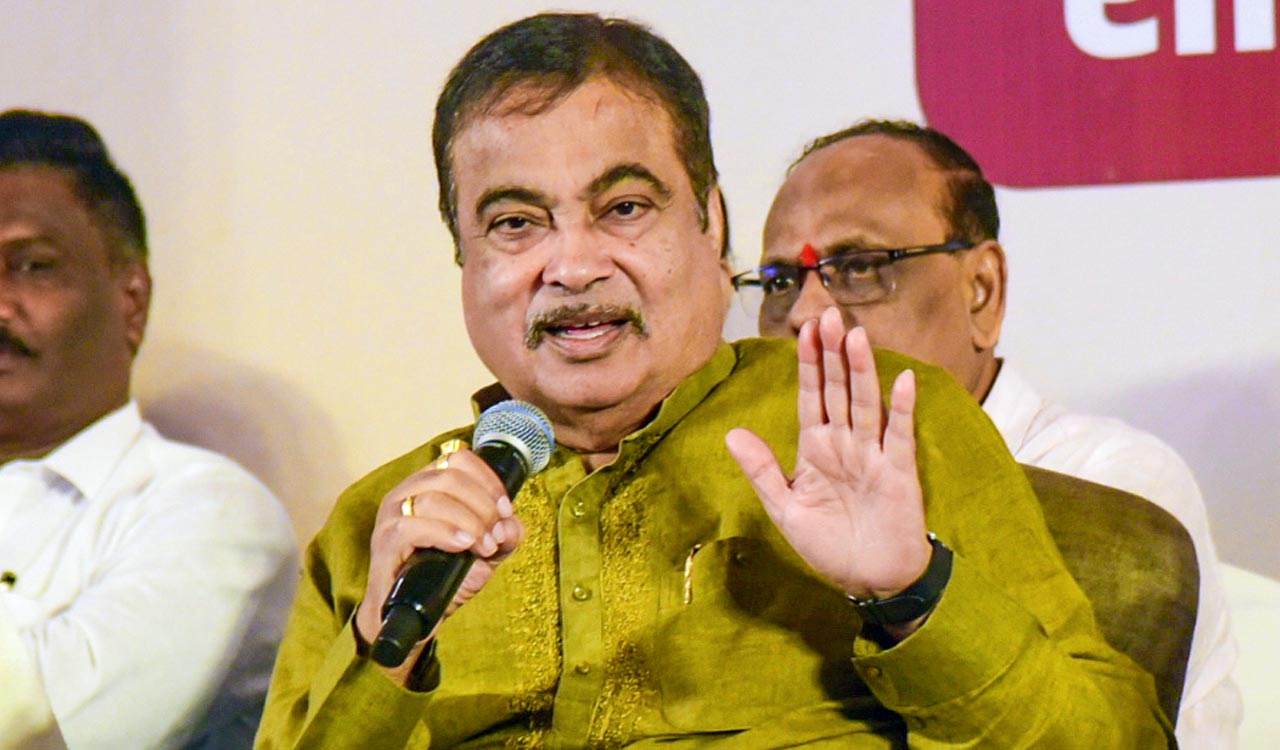


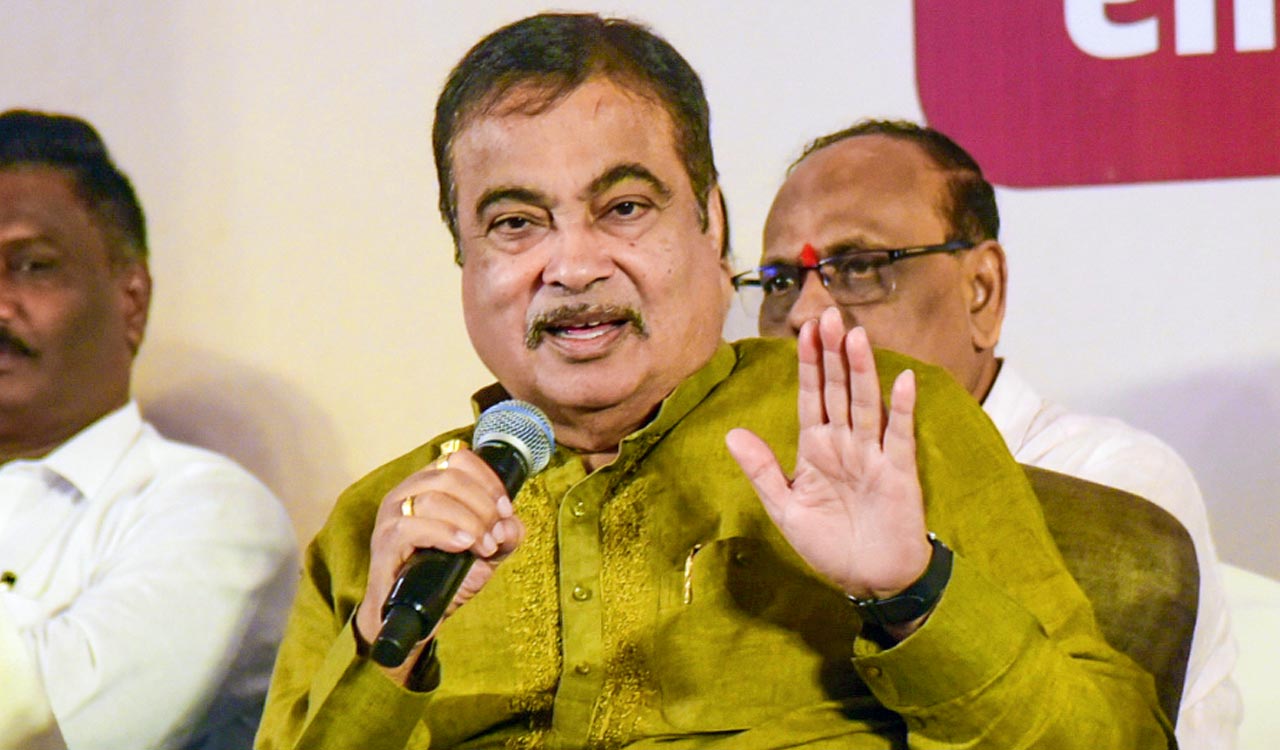
Gandhinagar: Hydrogen is the future of the transportation industry, and the government is conducting trials on 10 routes across the country to test its use as a fuel, Union Minister Nitin Gadkari has said.
The trials are underway on the Greater Noida-Delhi-Agra, Bhubaneshwar-Konark-Puri, Ahmedabad-Vadodara-Surat, Sahibabad-Faridabad-Delhi, Pune-Mumbai, Jamshedpur-Kalinga Nagar, Thiruvananthapuram-Kochi, Kochi-Edappally, Jamnagar-Ahmedabad and NH-16 Visakhapatnam-Bayyavaram routes, the minister said.
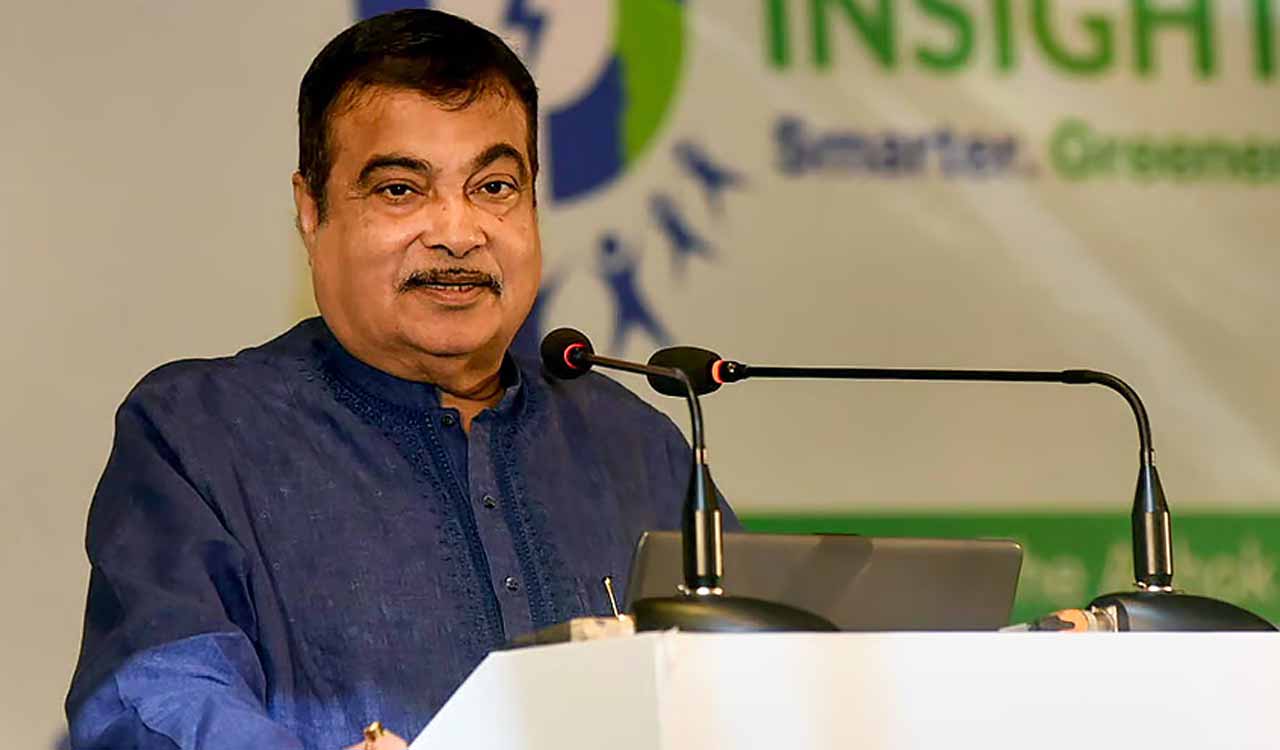
The Union Minister for Road Transport and Highways was addressing a gathering at the Prawaas 5.0 and Bharat Prawaas Awards event in Gandhinagar on Thursday.
“Our ministry is carrying out a pilot project on 10 routes for hydrogen trials. I am sure the future of the transportation industry is hydrogen, and hydrogen is the fuel of the future. We are working on that,” he said.
The industry is doing very well in the areas of alternative fuels and biofuels, and India will lead globally with its technology and cost, Gadkari added.
“The initiatives taken by the automobile industry in developing buses are very important. Manufacturers and transporters should focus on providing comfortable transport with world-class technology. The responsibility of our manufacturers is to provide greater comfort at a reasonable cost,” he added.
Safe transport is another important aspect, Gadkari said, pointing out that the country witnesses 5 lakh accidents and 1.80 lakh deaths every year, with 66 per cent of those who die belonging to the 18-36 age group.
“It (accidents) also causes a 3 per cent loss to the GDP. So we need your help in preventing these accidents. Therefore, road safety is the highest priority for the government. Our industry is doing an excellent job in terms of safety and technology. That is the reason our two-wheeler manufacturers in India are able to sell 50 per cent of their products abroad,” he said.
He said that when he took charge, the country’s automobile industry was worth Rs 14 lakh crore and ranked seventh globally. Today, it is the third largest in the world, with its size growing to Rs 22 lakh crore.
“Our ambition is to reach the top position soon. This industry generates the highest revenue for the state and central governments and has created 4.5 crore jobs. We have made many improvements in automobile engineering, and the industry has cooperated with us,” Gadkari said.
Gadkari also urged the industry to meet the country’s annual requirement for bus manufacturing.
“The problem in India is that, against the requirement of three lakh buses, our manufacturers are able to produce only 70,000 to 80,000. We need to increase productivity threefold,” he said.
He also urged electric bus manufacturers to pass on the benefits of the reduced lithium-ion battery cost to consumers.
He said the power tariff for charging, at Rs 20, is high and that his ministry is working to reduce it for buses, trucks and cars.
The revised bus body code was introduced in September last year to make buses safer, and his ministry has decided to ease procedures for bus body manufacturers, which comprise more than 600 units and employ 75,000 people, by reducing testing charges by 50 per cent and shortening the processing timeline from 16 weeks to six weeks, he said.
His ministry is also working on constructing private busports, he said.
Green express highways will reduce travel time and help increase the turnover and profits of the transportation industry, he added.

Related News