IIT Hyderabad researchers find antioxidants prevent damage caused by Triclosan in toothpaste, soap
Hyderabad: IIT Hyderabad researchers have found that antioxidants prevent damage caused by Triclosan. Researchers of IIT Hyderabad (IIT-H) have painstakingly worked to unravel how Triclosan, used extensively in several personal hygiene products, affects neuromuscular processes in the human body. The study also indicates that antioxidants can help overcome the negative effects of Triclosan. Triclosan is […]


Hyderabad: IIT Hyderabad researchers have found that antioxidants prevent damage caused by Triclosan. Researchers of IIT Hyderabad (IIT-H) have painstakingly worked to unravel how Triclosan, used extensively in several personal hygiene products, affects neuromuscular processes in the human body. The study also indicates that antioxidants can help overcome the negative effects of Triclosan.
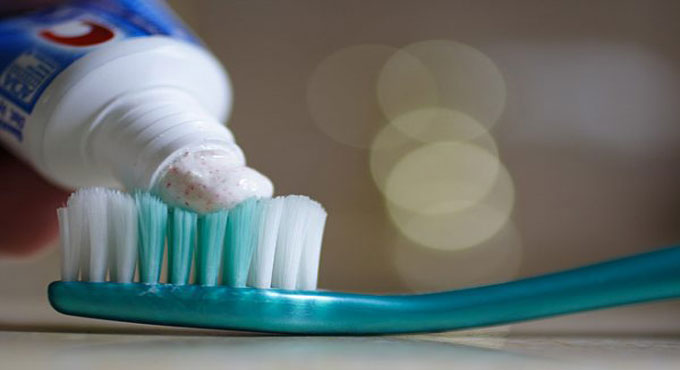
Triclosan is an antimicrobial chemical extensively used to extend the shelf life of consumer products such as soaps, toothpastes, and deodorants. While Triclosan stops the growth of undesirable micro-organisms, it has also been found to cause neurotoxic effects even in quantities 500 times below approved levels.
Triclosan was first developed in the 1960s. Since then, its application as an antimicrobial compound has constantly increased globally. It is frequently added to various consumer products such as toothpaste, detergents, or toys to increase their shelf life. The Covid-19 pandemic has prompted even increased use of such antimicrobial compounds. Due to heavy and indiscriminate use, Triclosan came under the spotlight when its presence was detected in human urine, blood, and even milk. These results prompted scientists to explore the negative effect of Triclosan on humans. Even after several studies, the mode of action of Triclosan at the cellular level is still unclear.
Dr Anamika Bhargava’s (Associate Professor, Biotechnology) lab at IIT-H is focused on understanding factors that lead to disease state. So, the mysteries around Triclosan’s effect on higher animals, including humans, intrigued Dr Anamika’s lab. In the past, their research work has demonstrated that “zebrafish (vertebrate animal)” can be used as a human mimetic to explore the effects of Triclosan. They recently asked if Triclosan can directly affect cells or the negative effect is due to its indirect role? Also, how can such toxic effects possibly be prevented?
Their recent study, which was published in the reputed journal Toxicology (https://pubmed.ncbi.nlm.nih.gov/34942273/), revealed that Triclosan could inhibit acetylcholinesterase directly and indirectly. Acetylcholinesterase is an enzyme essential for regulating neurotransmitter acetylcholine at the neuron junctions. Acetylcholine, as a neurotransmitter, is important for our brain cells to communicate with each other, for our muscles to work. A lesser-known fact is that Acetylcholine may also be involved in behavior.
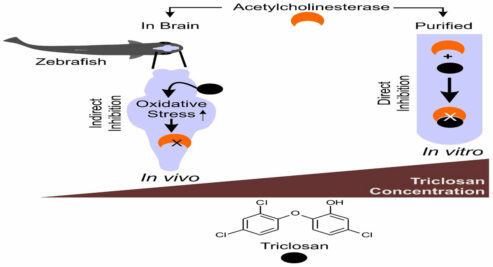
In the current study, Triclosan inhibited purified acetylcholinesterase in a test tube, albeit at high concentrations. However, Triclosan at lower concentrations induced oxidative stress in the brain, which inhibited acetylcholinesterase. In a remarkable finding, the research reveals that acetylcholinesterase can be protected from the harmful effects of Triclosan by the use of antioxidants. When pretreated with melatonin (an antioxidant), the zebrafish did not show a severe decline in acetylcholinesterase activity upon triclosan exposure.
Appreciating the finding by Dr Anamika’s group, Prof B.S. Murty, Director IIT-H, said, “Several health-related challenges in the 21st century can be handled using technological innovations. IIT-H has constantly been striving to provide an excellent research ecosystem wherein research groups like Dr Anamika’s can provide sustainable solutions for society at large.”
Previously, Dr Anamika’s group had revealed that Triclosan in minute amounts (0.6 ppm or less) could not only affect the genes and enzymes involved in neurotransmission, but it can also damage the neurons.
American food and drug regulator body (FDA) has already imposed a partial ban on the use of Triclosan; however, Indian counterparts are not very explicit on the inclusion of Triclosan in various consumer products.
Talking about the study, Dr Anamika said, “We reiterate caution in the use of triclosan-based products. Perhaps we should also pay attention to eating more antioxidant-rich foods to protect ourselves from chemicals like Triclosan. However, larger-scale studies especially involving humans, would give a better picture of the toxic effect of Triclosan on humans.”

Related News
-

25 rural women graduate from FlySakhi drone programme at IIT Hyderabad
-
IIT-H signs MoU with Mie University, Japan for academic and research collaboration
-
Telangana POPSKs facilitate over 1.66 lakh passport transactions in 2025-26: Chief PMG
-
IIT Hyderabad announces October cohort of Applied AI certification programme