IIT Mandi researchers discover biochemical link between fatty liver disease and type 2 diabetes
The Indian Institute of Technology (IIT) Mandi, researchers have unravelled the biochemical relationship between fatty liver disease and Type 2 Diabetes Mellitus (T2DM).


Hyderabad: The Indian Institute of Technology (IIT) Mandi, researchers have unravelled the biochemical relationship between fatty liver disease and Type 2 Diabetes Mellitus (T2DM). This understanding enables newer techniques to diagnose the risk of diabetes among people with Non-Alcoholic Fatty Liver Disease (NAFLD). The findings of the research also offer new therapeutic pathways to control or even reverse fatty liver-induced diabetes.
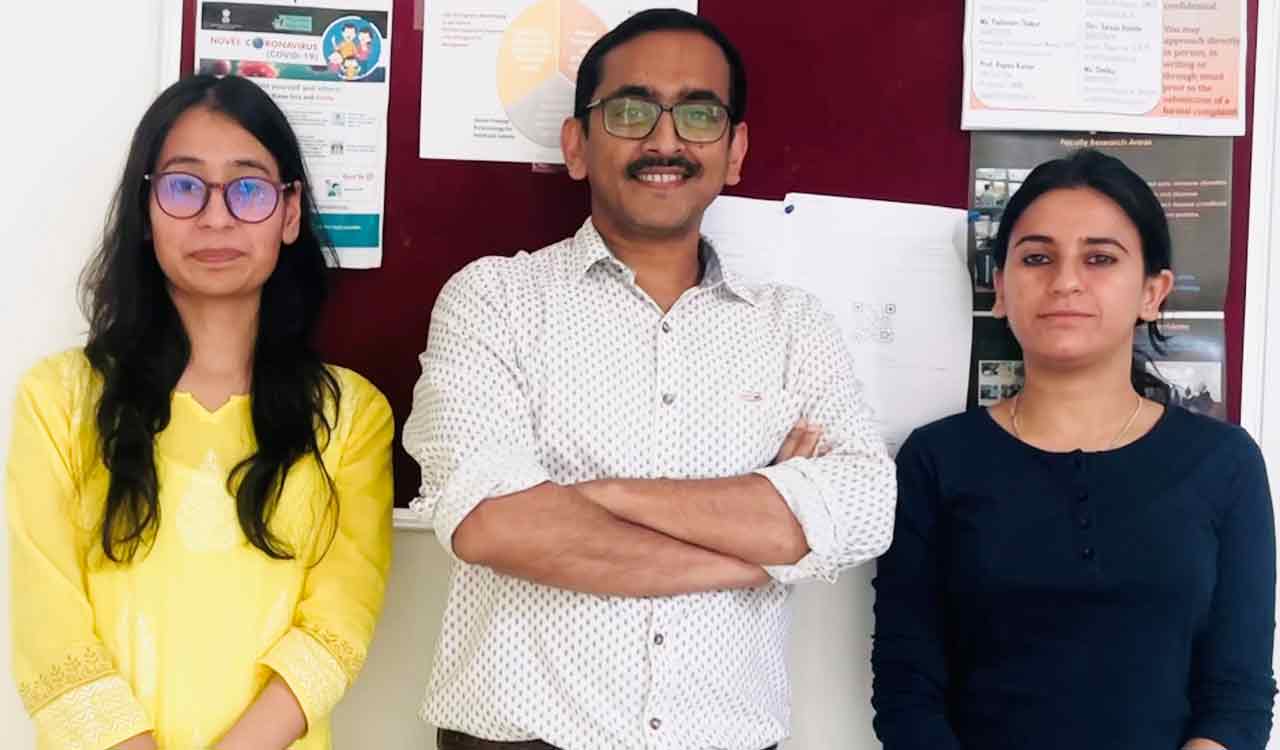
Explaining the significance of the research, IIT Mandi, School of Biosciences and Bioengineering, Associate Professor, Dr. Prosenjit Mondal said, “the NAFLD is an independent predictor of insulin resistance and T2DM. However, how NAFLD affects the insulin-releasing pancreatic β-cell function was not fully understood. We aimed at finding the relationship between β-cells failure and the accumulation of liver fat produced from carbohydrates in a process called de novo lipogenesis”.
The multi-institutional research team analysed blood samples extracted from fat-fed mice and human NAFLD patients. Both samples had high amounts of a calcium-binding protein termed S100A6. This protein is released by the fatty liver and serves as a communication link between the liver and the pancreas. The S100A6 adversely affects the insulin secretion ability of the β-cells, thereby resulting in or exacerbating existing T2DM. At a biochemical level, S100A6 was found to inhibit insulin secretion by activating the Receptor for Advanced Glycation End product (RAGE) on pancreatic beta-cells.
IIT Mandi research scholar Surbhi Dogra said, “another important observation from our research was that the depletion of S100A6 improves insulin secretion and the regulation of blood glucose in mice, which suggests that S100A6 contributes to the pathophysiology of diabetes in NAFLD”.
This study by the IIT Mandi team and its research partners is important on many counts. At a scientific level, it presents the molecular and cellular events associated with S100A6 secretion in fatty liver, and its adverse impact on β-cell insulin release. From a practical, diagnostic angle, it shows that elevated levels of S100A6 in the blood may serve as a biomarker to identify risks of T2DM among NAFLD patients.
At a therapeutic level, this study shows that removing the circulating S100A6 from blood can help in preserving β-cell function. Furthermore, since the biochemical pathway by which S100A6 acts is now understood, the use of RAGE antagonistic molecules can restore the functions of β-cells in NAFLD patients.
“Targeting β-cells to improve its function and survival is of utmost importance for diabetes management,” Dr. Mondal said. The findings of the research were published in the journal Diabetes.

Related News