India blocks China’s WTO dispute panel bid
India has blocked China’s first request at the WTO to establish a dispute panel over New Delhi’s support measures for solar cells, modules, and IT products. The move came after bilateral consultations failed, with China alleging India’s tariffs and domestic preference policies discriminate against its exports.
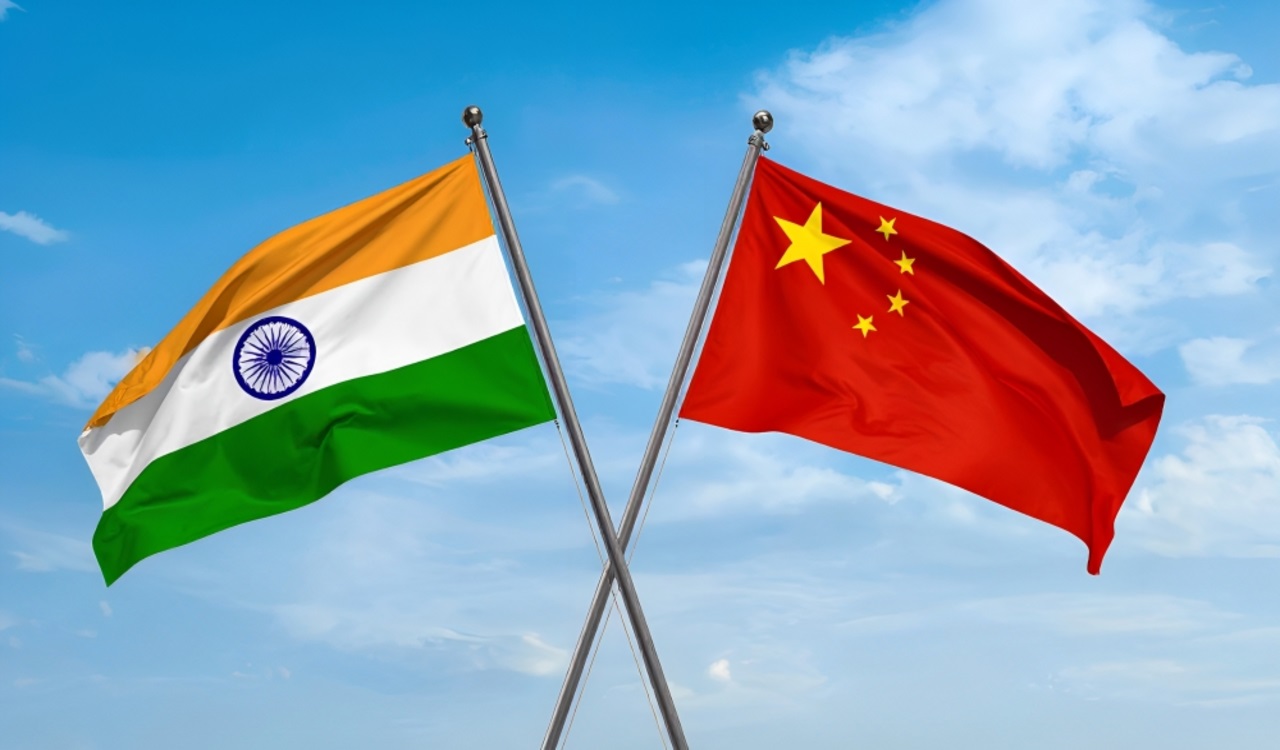


New Delhi: India has blocked China’s request to set up a dispute panel at the WTO in a case that Beijing has filed against New Delhi’s support measures for the solar cells, modules, and information technology sectors, an official said.
Earlier this month, China made this request to the WTO’s (World Trade Organization) dispute settlement body.
The request follows the failure of bilateral consultations on reaching a mutually-agreed solution on the dispute filed by China in December last year.
The Geneva-based official said that India has blocked the first request of China for the establishment of a panel.
China has alleged that India’s tariff or import duty on certain technology products, and measures like the use of domestic products over imported goods, discriminate against Chinese goods.
Beijing, which is a major exporter of goods under these sectors, had claimed that these support measures and incentives infringe rules pertaining to the WTO’s General Agreement on Tariffs and Trade 1994, Agreement on Subsidies and Countervailing Measures and Agreement on Trade-Related Investment Measures.
Refuting China’s allegations, India has stated the measures are completely consistent with the WTO rules.
India also said it was ironic that, despite acknowledging the importance of a responsible and diversified supply chain, a country estimated to control over 80 per cent of the global solar module value chain still finds it necessary to take measures that hinder the legitimate growth of the industry in other countries.
The request was blocked at the Dispute Settlement Body (DSB) meeting on May 22 in Geneva.
As per norms, China can renew its request at the next DSB meeting. When consultations have failed, member governments are entitled to ask for a panel to be set up to examine the dispute. According to the rules, the respondent can reject the first request. At the second request, a panel is automatically established.
The panel will determine whether import duties applied by India on certain imported high-tech goods, as well as certain incentive measures for solar energy products, are consistent with India’s WTO commitments.
Both India and China are members of the WTO. If a member country believes that a support measure under a policy or scheme of another member nation is harming its exports of certain goods, it can file a complaint under the dispute settlement mechanism of the 166-member multilateral body.
India has rolled out a series of measures to promote domestic manufacturing in the solar sector. These include imposing duties on imported solar cells and modules, mandating the use of locally manufactured solar equipment in certain government-backed projects.
It has also introduced the Approved List of Models and Manufacturers (ALMM) to encourage procurement from domestic producers, besides a production-linked incentive scheme for the sector.
China is also pursuing a separate dispute against India in the organisation over India’s measures in the automotive and renewable energy sectors.
China has overtaken the US to emerge as India’s largest trading partner in 2025-26, with bilateral trade reaching USD 151.1 billion, while the country’s trade deficit with Beijing widened to USD 112.16 billion during the period.

Related News