India rejects US criticism on FCRA Bill changes
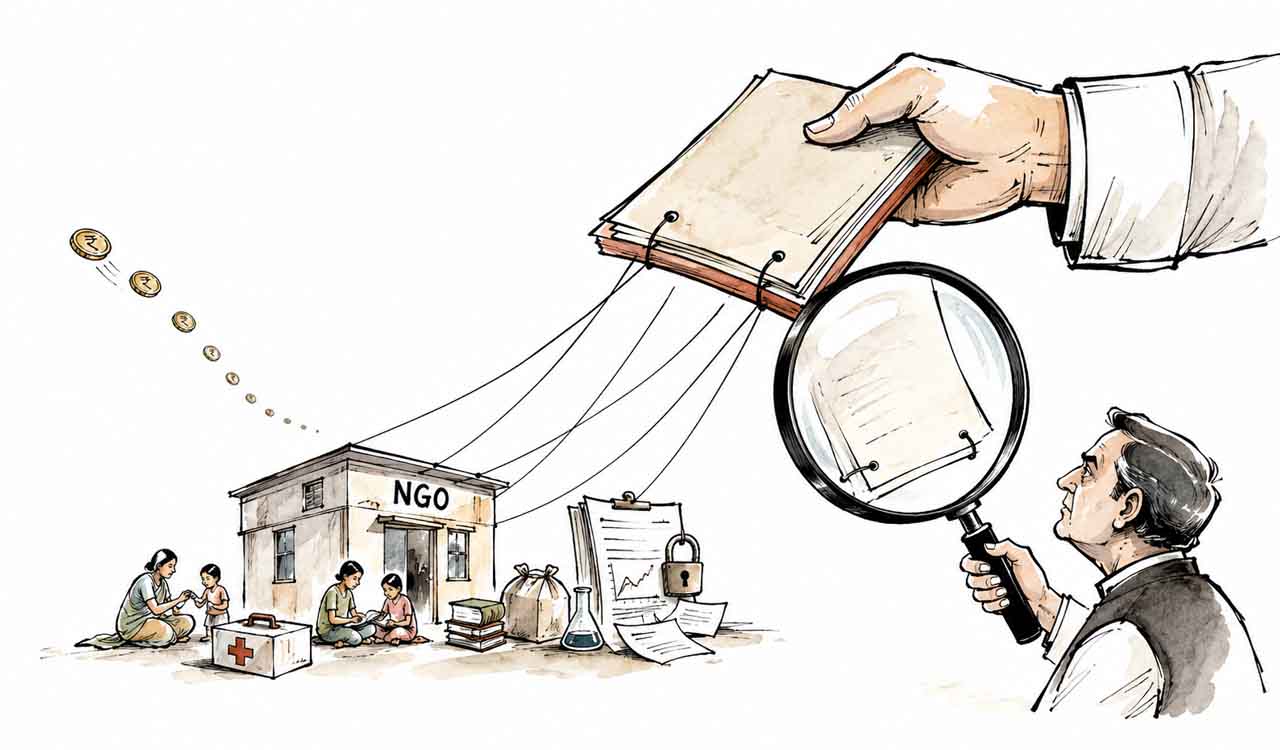
India has rejected criticism from US lawmakers over proposed amendments to the Foreign Contribution (Regulation) Act (FCRA), asserting that the matter is an internal legislative issue. The amendments, introduced in March, aim to regulate foreign contributions and assets through a designated authority.


New Delhi: India on Friday rejected criticism by several US lawmakers over proposed changes to the Foreign Contribution (Regulation) Act (FCRA), describing the legislative matter as an internal affair
A number of lawmakers from the Democratic and Republican parties, including Senator James Risch, who heads the Senate Foreign Relations Committee, voiced concerns over the planned changes to the FCRA, saying they could adversely impact Christian organisations and other civil society groups.
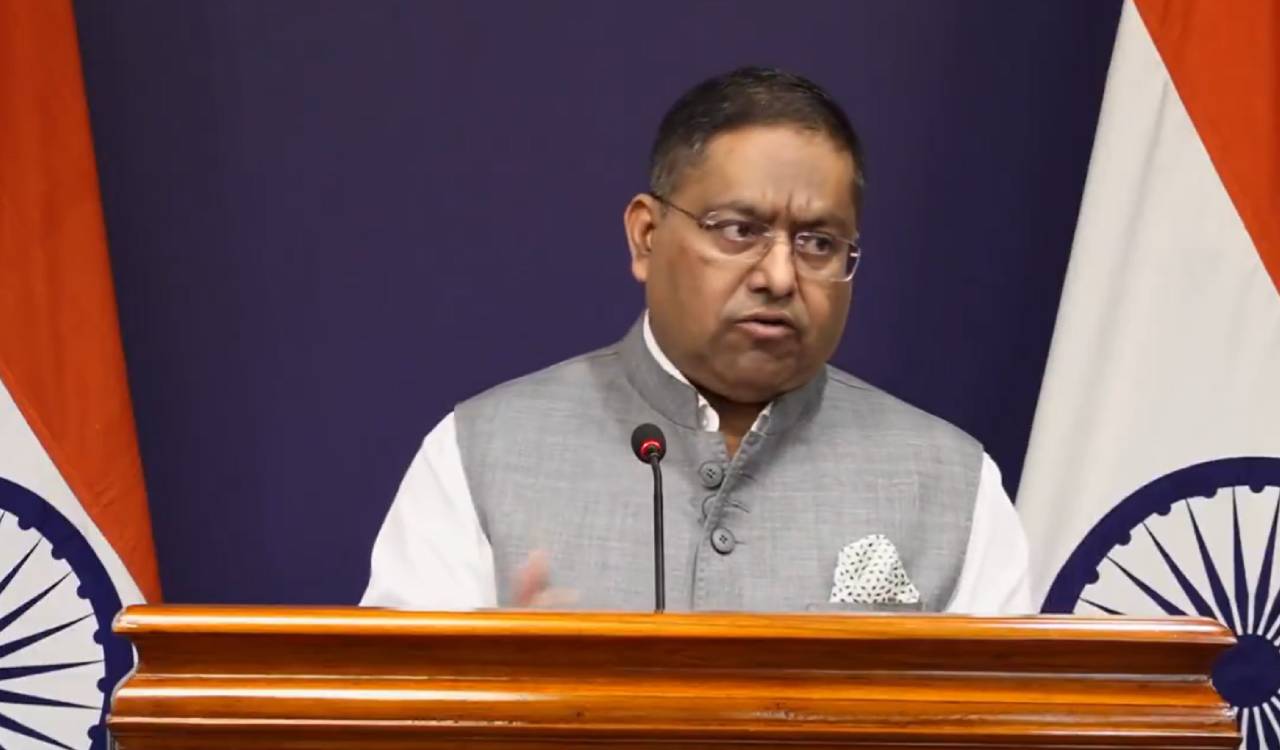
External affairs ministry spokesperson Randhir Jaiswal said the proposed changes to the FCRA are an internal legislative issue of India.
“We have seen the comments (critical of the proposed changes). Legislative matters concerning India are our internal affairs, on which decisions are taken by the Parliament of our country,” Jaiswal said in his bi-weekly media briefing.
“I would also like to point out that there are several nations, including the United States, which regulate the flow of foreign funds,” he said.
Republican Congressman Riley Moore alleged that the proposed amendments to the FCRA would “permit government takeovers of churches and religious charities.”
“This is a clear attack against Christians. If this bill proceeds in this way, it would be a point of major concern in our bilateral relationship with India,” he said on social media.
The Foreign Contribution (Regulation) Amendment Bill 2026 was introduced in the Lok Sabha on March 25.
The bill provides for a comprehensive framework for vesting, supervision, management, and disposal of foreign contributions and assets in a ‘designated authority’, including provisional and permanent vesting.

Related News