Indian Navy commissions INS Nipun to boost deep-sea diving, rescue capabilities
The Indian Navy commissioned INS Nipun, a 10,500-tonne indigenously built deep-sea diving vessel, in Mumbai on Monday. Capable of diving operations up to 300 metres, submarine rescue, underwater intervention and HADR missions, the vessel significantly strengthens India’s specialised underwater capabilities
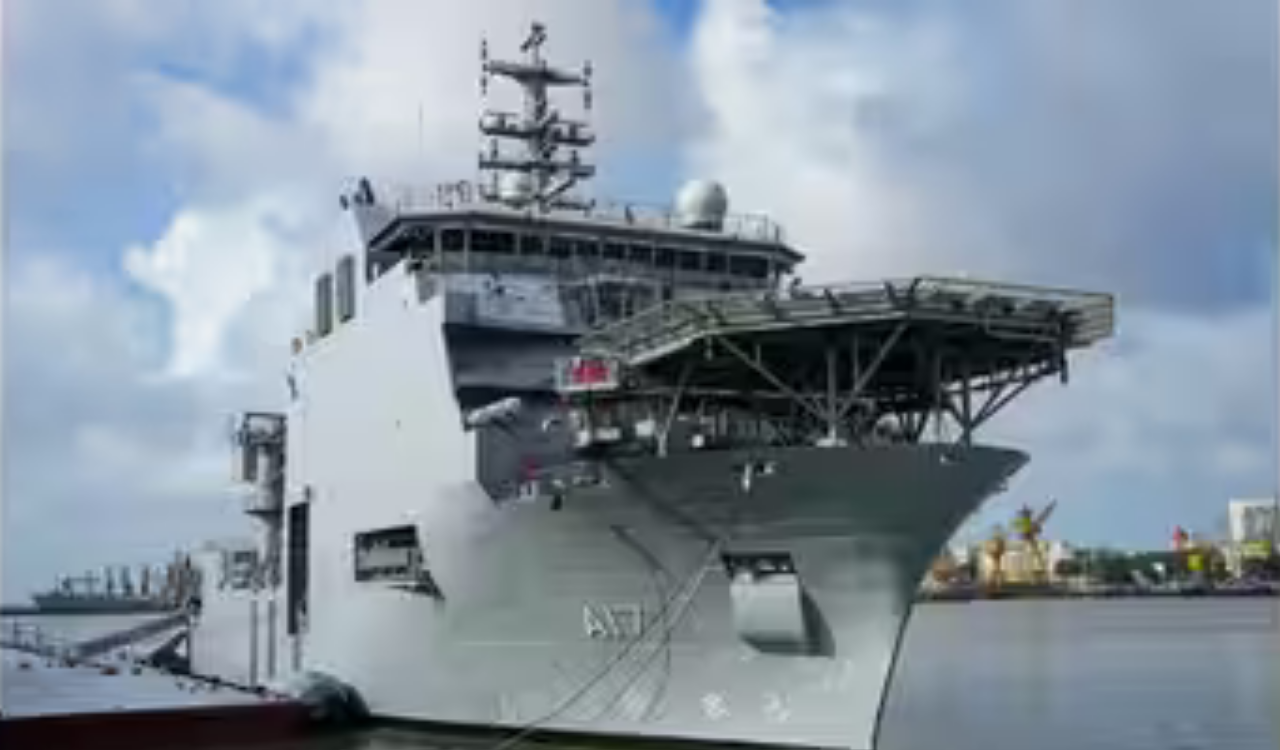


Mumbai: The Indian Navy on Monday commissioned INS Nipun, a deep-sea diving vessel to support complex operations, marking a significant enhancement in underwater support capabilities that only a few navies have, officials said.
This is the second such deep-sea diving vessel commissioned into the Indian Navy after INS Nistar last year. INS Nipun was commissioned in the presence of Navy chief Admiral Krishna Swaminathan in Mumbai. Along with her sister ship INS Nistar, INS Nipun substantially enhances the Navy’s specialist diving, underwater intervention, salvage and submarine rescue support capability, officials said.
It brings together a range of capabilities possessed by only a handful of navies, which includes the ability to embark the Indian Navy’s deep submergence rescue vessel, Admiral Swaminathan said after the commissioning of INS Nipun.
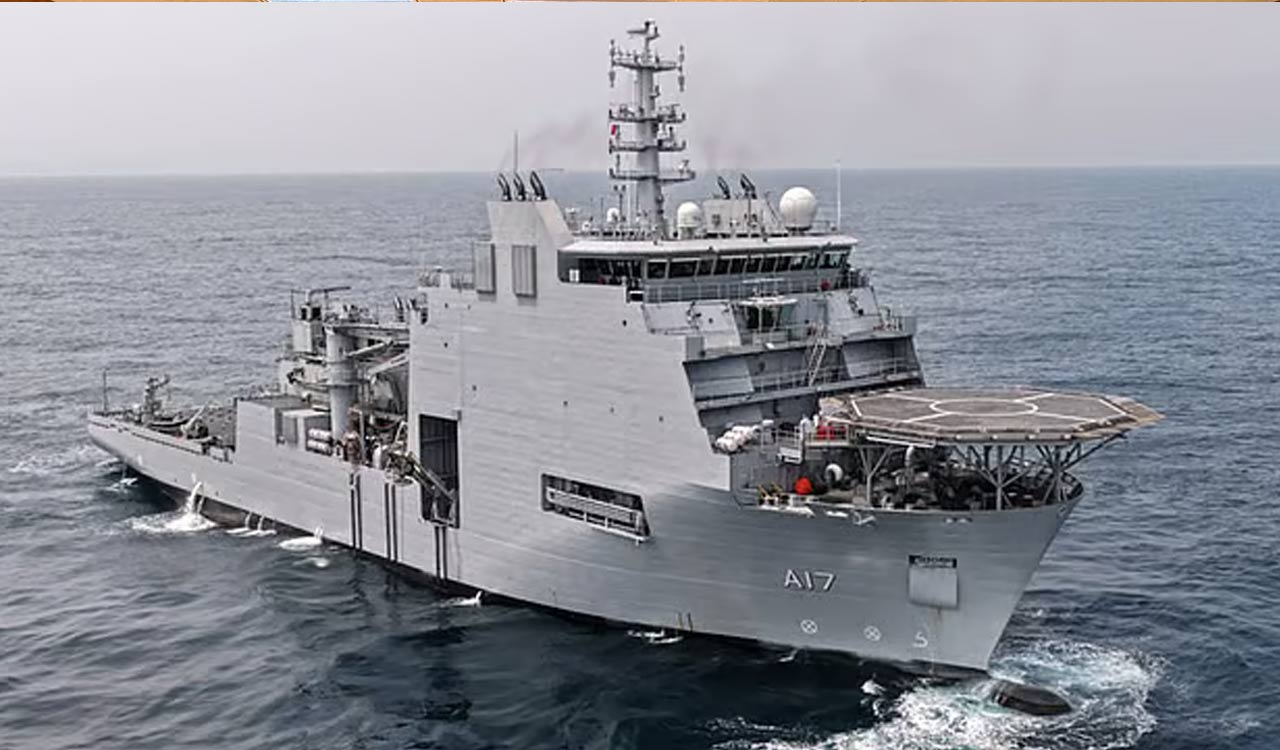
The ship has the capacity to support diving operations up to 300 metres. It also has the capability of providing rapid submarine rescue. It can also be deployed for disaster relief and humanitarian operations, the Navy said. Indigenously designed and constructed by Hindustan Shipyard Limited, Visakhapatnam, the vessel is 119.4 metres long with a capacity of 10,500 tonnes.
INS Nipun is a purpose-built platform designed primarily for deep-sea diving and underwater operations. The ship is capable of supporting saturation, air and heliox diving and is equipped with remotely operated underwater systems for inspection and intervention. Its specialised diving complex, dynamic positioning capability and associated life-support and medical facilities enable the conduct of sustained and complex operations at sea, the Navy said.
The ship is also capable of supporting submarine rescue operations, further strengthening the Indian Navy’s ability to respond to underwater contingencies.
Its crest and motto embody the spirit of its specialised role and the men who venture into the depths. The motto, ‘Far Beneath, Few Beyond’, reflects the resolve, skill and endurance required to operate in one of the most challenging domains of the maritime environment, the Navy said.
“Nipun adds specialised capability to support complex underwater operations and respond to emergencies in one of the most demanding and mysterious environments known to the world,” Admiral Swaminathan said.
Submarine rescue, in particular, is a discipline where preparedness admits little margin for delay. “Nipun’s ability to embark and operate the Indian Navy’s deep submergence rescue vessel significantly enhances our capacity to respond to a distressed submarine quite significantly – whether our own, or that of a partner Navy. This capability would also enable India to support submarine rescue and emerge as the ‘Preferred Submarine Rescue Partner’ in the region,” the Navy chief said.
In addition, INS Nipun’s specialised diving capabilities can support partner nations in underwater salvage and HADR (Humanitarian Assistance and Disaster Relief) missions, adding another dimension to the Navy’s maritime cooperation efforts.
“Commissioning a platform is only one part of capability creation. The real measure of induction is how rapidly and effectively we can convert a new platform into operational capability,” Admiral Swaminathan said.
Nipun’s journey from design to commissioning reflects the seamless synergy between the Indian Navy, Hindustan Shipyard and our vibrant network of domestic industrial partners. The successful completion of sea trials and proving of role-worthiness of all diving systems and ROVs (remotely operated vehicles) in a single sortie are a testament to the professionalism and technical confidence that have gone into the vessel’s construction, he added.

Related News