India’s ‘Ozempic’ price war: Generic entry slashes costs of drugs by 90 percent
A fierce price war has erupted among Indian pharmaceutical companies after the Semaglutide patent expiry, with generics priced up to 90 percent cheaper. The sharp price cuts could expand diabetes and obesity treatment access for millions of patients in India.
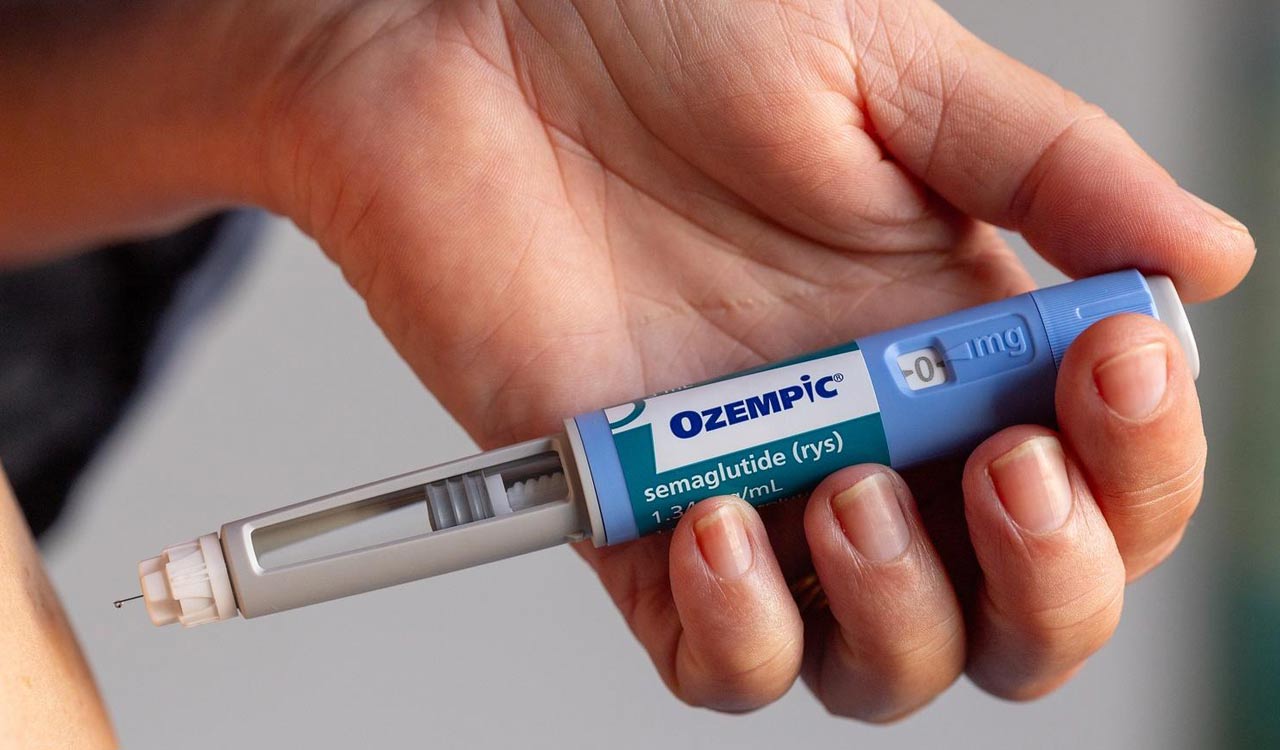


Hyderabad: Patients struggling with uncontrolled diabetes and obesity are witnessing an all-out price war, which has broken out among major pharmaceutical companies, with each trying to outdo the other by slashing the cost of generic versions of global blockbuster anti-obesity and diabetes drug Semaglutide.
Within hours of the expiry of the patent for Semaglutide on March 20, held until now by Novo Nordisk, multiple domestic pharma giants launched their own generic versions. However, in a twist that favours patients, drug companies moved with an unprecedented speed to cut prices of their generic versions by up to 90 percent..
The most aggressive move came from Hyderabad-based NATCO Pharma (in partnership with Eris Lifesciences), which shattered market expectations by launching its generic version (Semanat), at a disruptive price point of just Rs 1,290 per month, a shocking drop from the previous cost of approximately Rs 12,000, being retailed by Novo Nordisk.
Not to be outdone, Glenmark Pharmaceuticals unveiled its own generic version (Glipiq) with a starting weekly cost as low as Rs 325, effectively making the ‘miracle’ weight-loss and diabetes molecule affordable for the Indian middle class for the first time.
The Indian drug manufacturers are able to drop their prices because of a strategic shift in how the drug Semaglutide is delivered. The original drug used expensive, patented pre-filled pens but Indian pharma giants are flooding the market with multi-dose vials and syringes, successfully removing hardware costs, enabling them to pass the savings directly to patients.
Other major players, including Sun Pharma, Dr. Reddy’s, and Zydus, are entering the fray with their own pen-based generics priced between Rs 3,500 and RS 4,500, still representing a 60-70 percent discount compared to the imported brands.
Based on research and reports, thanks to the drop in process and sudden increase in affordability to procure such medicines, the Indian GLP-1 market is set to expand from Rs 1, 000 crore to Rs, 5, 000 crore within the next year, which promises to transform the treatment modalities for nearly 100 million diabetics in the country.
While the prices are being slashed to make such drugs more affordable, the Indian drug regulatory authority CDSCO recently issued a stern Schedule G warning to chemists, strictly prohibiting over-the-counter sales to prevent cosmetic abuse of the now-cheap medication.
The price war:
- City-based Natco pharma (Semanat) for Rs 1, 290 per month
- Original license holder Novo Nordisk’s Ozempic used to retail from Rs 8, 000 to Rs 11, 000 per month
- Glenmark (Glipiq) for Rs 1, 300 per month
- Sun Pharma’s (Noveltreat) to be administered with a pen device launched at Rs 4, 000
- Dr Reddy’s Obeda pen device launched at Rs 4, 200
- Zydus launched its Semaglyn to be administered with a reusable pen for Rs 3, 800

Related News