Konda Surekha’s Cabinet exit: Chronology of events raises questions over her sidelining
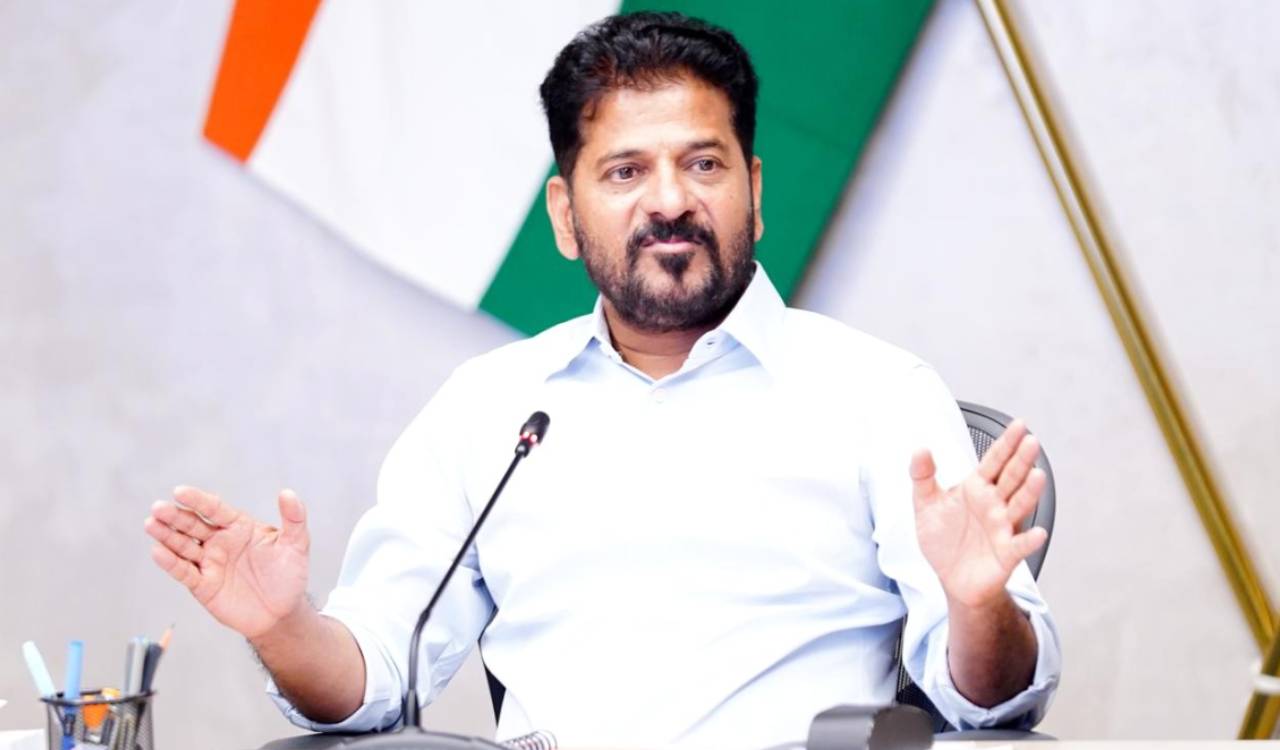
Chief Minister A Revanth Reddy’s decision to drop Konda Surekha from the Cabinet follows allegations by her daughter. A chronology of recent developments, including disputes over tenders, appointments and political decisions, raises questions about whether Surekha was increasingly sidelined politically.
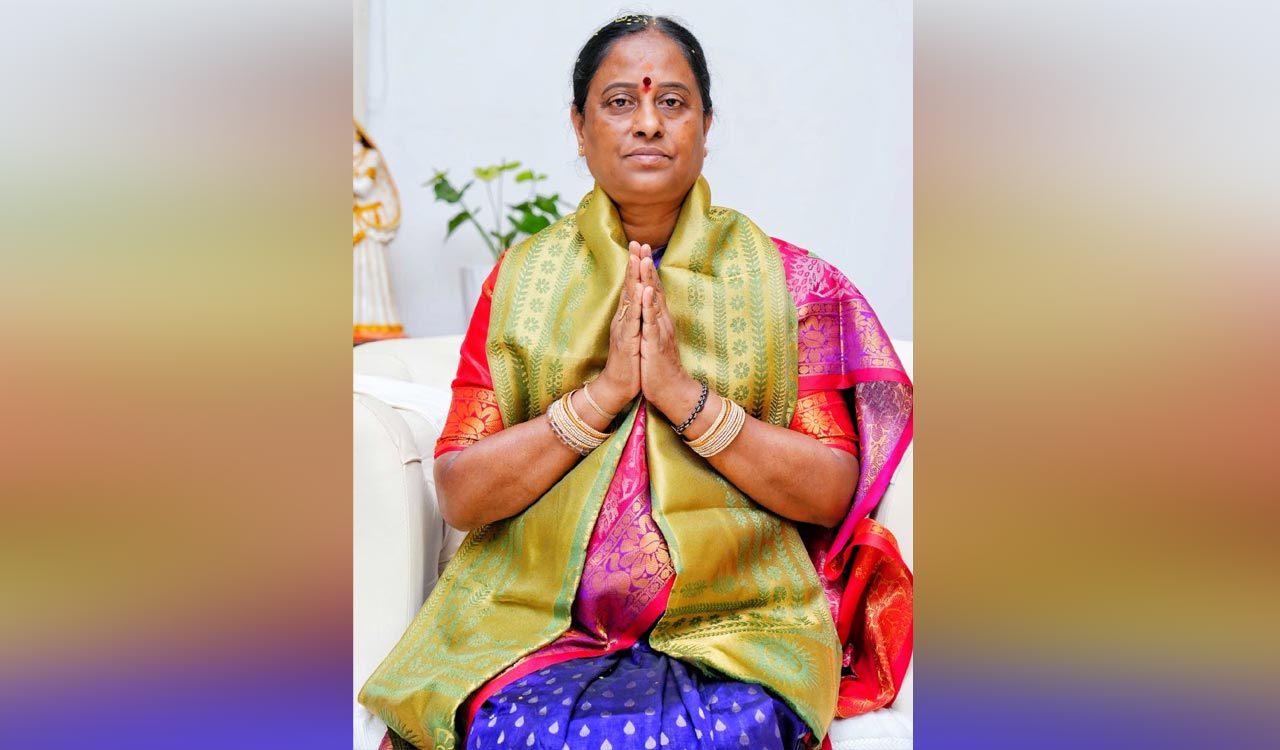


Hyderabad: There are always two sides to a coin. On one side, Chief Minister A Revanth Reddy decided to drop Forest Minister Konda Surekha from his Cabinet following allegations made against him by her daughter, Konda Sushmitha. On the other, a chronology of events in the recent past offers a different perspective.
Consider this. Surekha, who also holds the Endowments portfolio, had admitted that she was sidelined in the Samakka Saralamma Jathara tenders. She alleged that Revenue Minister Ponguleti Srinivas Reddy had bypassed her in awarding the works to firms allegedly favourable to him.
After the controversy subsided, the Congress government announced the appointment of Yadagirigutta Devasthanam Trust Board members. However, Surekha was kept in the dark about the appointments, with the announcement being made while she was in London.
This was followed by another controversy. BRS turncoat MLA from Station Ghanpur Kadiyam Srihari held a review meeting at the Endowments Commissioner’s Office in the absence of the Minister.
Surekha strongly objected to the meeting and wanted the State government to initiate disciplinary action against Srihari, terming it a deliberate attempt to undermine her authority.
The biggest flashpoint, however, came when the Chief Minister, while addressing a public meeting, announced that sitting Parkal MLA Revuri Prakash Reddy would contest from the constituency in the next elections. He also appealed to the people to support Prakash Reddy.
This was after Konda Surekha’s daughter Konda Sushmitha was planning to contest from the same constituency.
The announcement went against the Congress party’s established practice of announcing candidates through the party leadership. However, apart from TPCC president Mahesh Kumar Goud, who found fault with the Chief Minister’s announcement, no major objections were raised by other party leaders.
None of these episodes, by themselves, directly establish any deliberate attempt to target or provoke Surekha. However, viewed together, the sequence of events raises questions about whether the Minister had been increasingly sidelined within the government and the party.
The chronology may not prove a conscious effort to target Surekha, but it certainly provides another perspective to the developments that eventually culminated in her removal from the Cabinet.

Related News
-

KTR accuses Revanth Reddy of corruption over alleged 15 per cent commission demand in Radial Road-2 tenders
-
Harish Rao demands Rythu Bheema benefits for families of deceased farmers
-
Telangana power crisis: Harish Rao accuses Revanth of blaming officials
-
Revanth Reddy threatens to suspend officials as El Nino crisis deepens