Konkani groups show South Asian roots, traces of ancient West Eurasian lineages: CCMB
A genetic study by researchers from CCMB and Mangalore University has found that the Konkani-speaking population of India’s west coast possesses predominantly South Asian maternal ancestry, alongside genetic signatures linked to ancient West Eurasian and Bronze Age migrations.
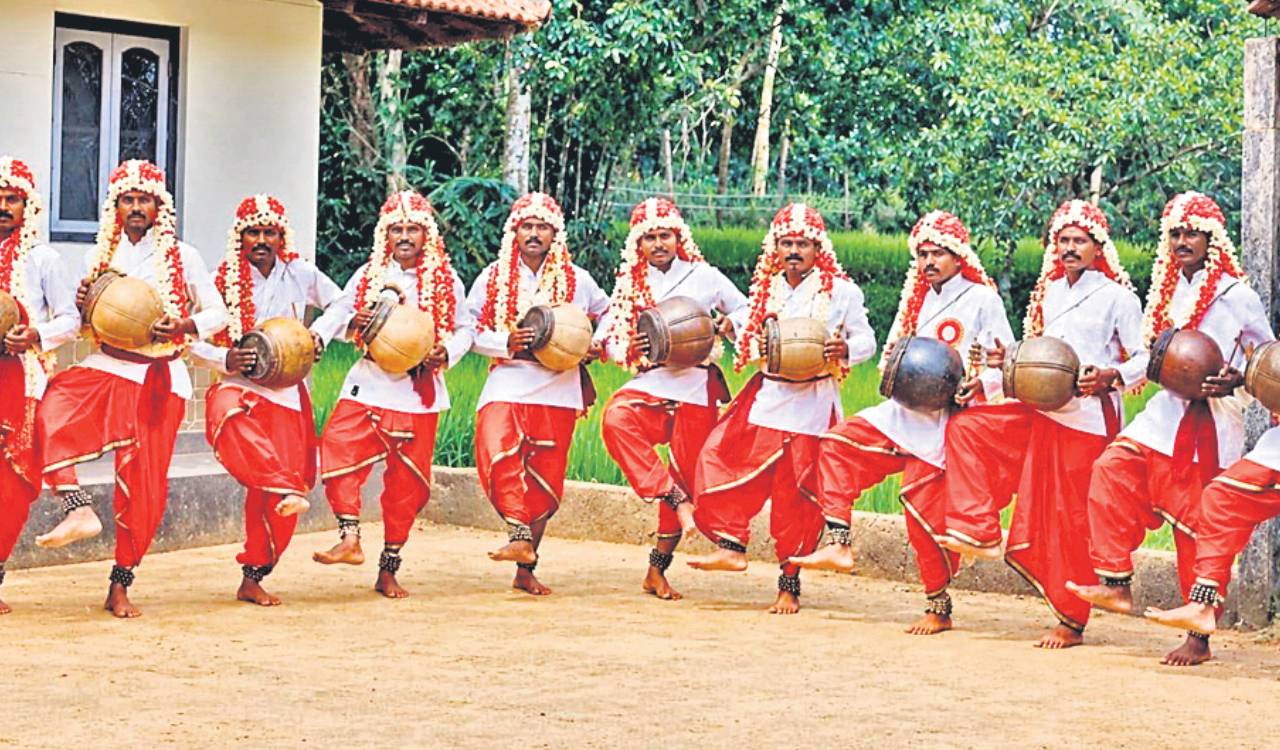


Hyderabad: A landmark genetic study has revealed that the Konkani-speaking population of India’s west coast has a complex maternal ancestry deeply rooted in South Asia, while also bearing distinct genetic signatures from Bronze Age migrations and ancient West Eurasian lineages.
Led by researchers at the Hyderabad-based Centre for Cellular and Molecular Biology (CCMB) and Mangalore University, the study analyzed the complete mitochondrial genomes of 295 Konkani individuals.
Published in the journal Heredity, the findings challenge the long-held assumption that prehistoric Bronze Age migrations into South Asia were exclusively male-mediated.
While the overall maternal gene pool is predominantly of local South Asian origin, communities identifying as Sarasvata display higher genetic affinities to West Eurasian and Steppe-linked lineages compared to non-Sarasvata groups, the researchers said.
A significant proportion of maternal diversity traces back to ancient source populations from the Near East during the Last Glacial Maximum (26,500 to 19,000 years ago), which were later assimilated during post-glacial recovery and Holocene population movements, the researchers said.
The research also highlights the impact of social structures on genetics. Occupational and localized communities like the Kharvi and Kudubi show pronounced genetic drift shaped by historic founder events and long-term endogamy, whereas Gauḍa Sarasvata Brahmins and Roman Catholics exhibited higher overall genetic diversity relative to other groups.
“The presence of West Eurasian and Steppe-associated maternal lineages within the Sarasvata groups demonstrates that ancient migrations were complex, multi-faceted demographic events involving both maternal and paternal contributions,” said Dr. K. Thangaraj, senior author and Chief Scientist at CCMB.
The study bridges a critical knowledge gap in South Asian population genetics, offering vital genetic documentation of the ethnolinguistic history along India’s western coastline.

Related News