
Mechanism identified to reduce liver damage during transplantation: Researchers
This study's findings were published online in Science Translational Medicine.
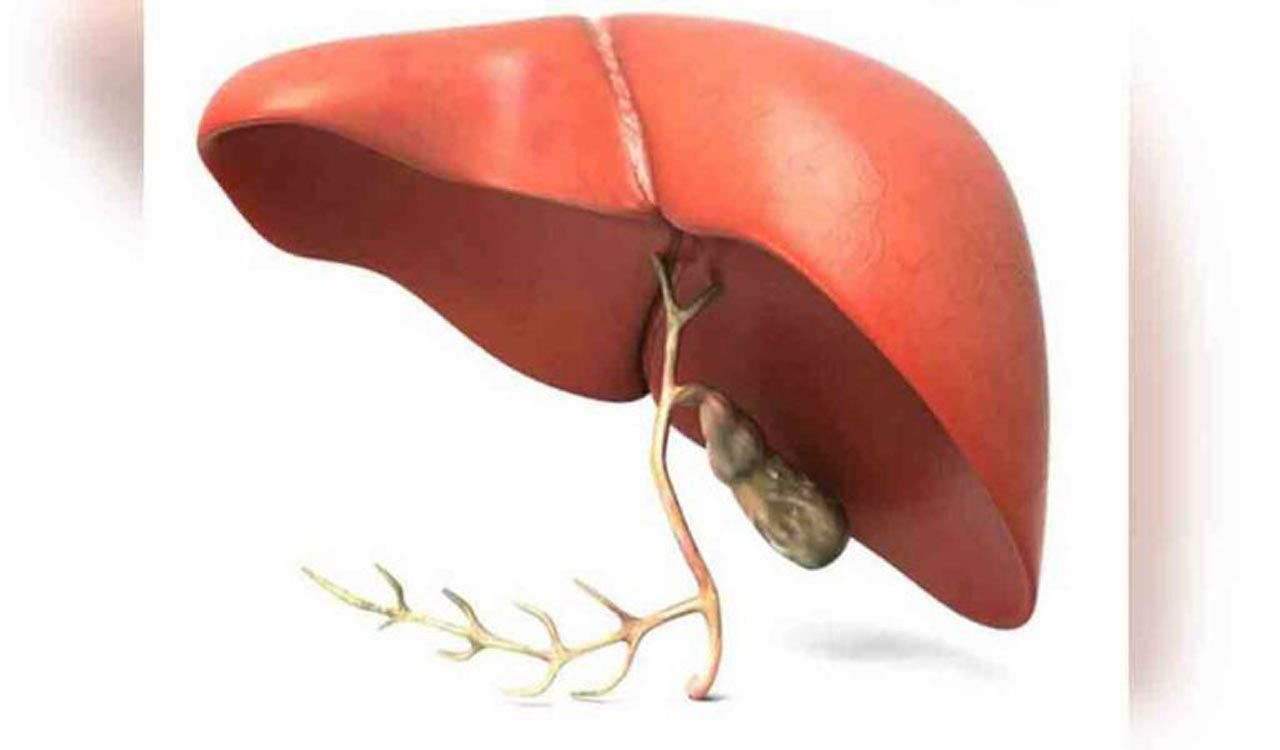


California: According study, a protein known as CEACAM1 helps protect the liver from damage during the transplantation process, which may improve the procedure’s success. The characteristics that control this protective attribute, however, are still unknown.
A team of researchers discovered the molecular mechanisms underlying this protection and demonstrated how to boost CEACAM1’s protectiveness using alternative gene splicing and molecular tools, reducing organ damage and ultimately improving post-transplant outcomes.
This study’s findings were published online in Science Translational Medicine.
A solid organ, such as the liver, has no blood flow and thus no oxygen prior to transplantation. During transplantation, blood supply is restored to the organ, but this process can cause inflammation and tissue damage known as ischemic reperfusion injury, also known as reoxygenation injury.
Understanding the factors that lead to organ shortage remains the best option to expand the donor pool available for life-saving transplantation,†said Kenneth Dery, an associate project scientist in the UCLA Department of Surgery and the study’s lead author.
Peri-transplant events, such as ischemia-reperfusion injury activate the recipients immune responses and negatively affect outcomes.†The researchers discovered that Hypoxia Inducible Factor 1 (HIF-1), which regulates oxygen consumption, played a key role in orchestrating the activation of CEACAM1-S, a version of CEACAM1 that limits cellular injury and improves liver function in mice.
They also discovered that the relationship between CEACAM1-S and HIF-1 in human donor livers predicts better overall liver transplantation outcomes and immune function.
The researchers discovered a new gene expression pathway that is activated by ischemia and oxygen stress. This pathway, known as alternative splicing, is an adaptation used by cells to increase protein diversity during times of danger, inflammation, and injury.
The researchers demonstrated that when a cell detects low oxygen levels, HIF-1 begins regulating the RNA splicing factor Polypyrimidine tract-binding protein 1 (Ptbp1), which in turn directs the splicing of the CEACAM1 gene, resulting in the protective CEACAM1-S version that reduces the liver injury associated with transplantation.
Furthermore, in animal studies, the researchers used a molecule called DMOG to stabilise HIF-1 in vivo under normal oxygen conditions, which effectively increased the protective version of CEACAM1-S, providing a therapeutic proof-of-concept for future studies.
These results suggest that CEACAM1-S may be a potential marker of liver quality and that efforts to increase its expression may have therapeutic benefits for transplantation or acute liver injury, the researchers write.
The next steps will be to test the perfusion of tissues from suboptimal human livers that were kept in extended cold storage in the presence of molecules called morpholinos that modify gene expression.Many hundred genes are likely undergoing alternative splicing in an effort to manage the cellular stress that accompanies liver transplantation, Dery said.
Our hypothesis is that if we can identify all the alternative splicing changes that are occurring following ischemic stress, we can begin to really understand how to “rejuvenate†donor organs, which play an important role in reducing organ shortages,†he said.
Forming the beneficial version of CEACAM1-S prior to liver transplantation has the potential to act as a checkpoint regulator of oxygen-related stress and will see a reduction of liver ischemia-reperfusion injury.

