Meenakshi Natarajan nomination row revives talk of factionalism in Telangana Congress
The rejection of AICC in-charge Meenakshi Natarajan’s Rajya Sabha nomination has reignited discussions on internal differences within the Telangana Congress. Remarks by a BJP Minister alleging information leaks from Congress leaders have added to speculation over factional dynamics
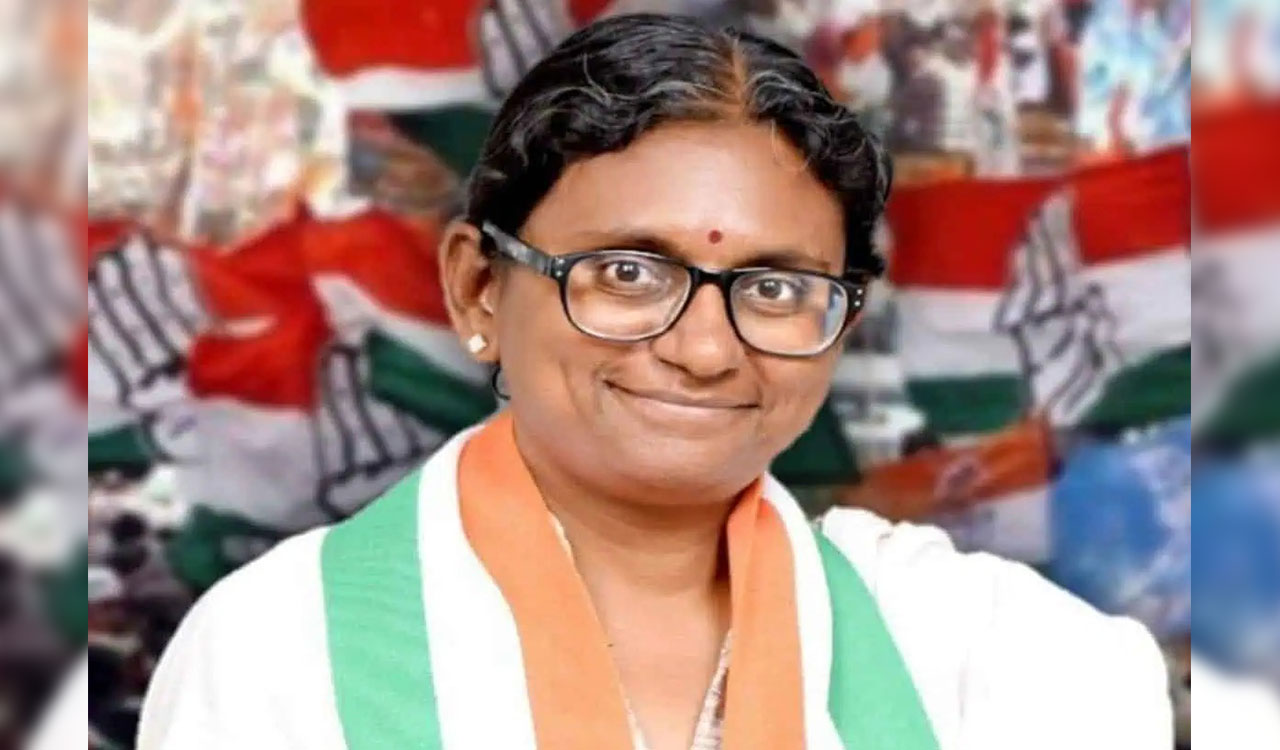


Hyderabad: The rejection of the Rajya Sabha nomination of AICC in-charge Meenakshi Natarajan has renewed discussions about internal differences within the Telangana Congress after a BJP Minister from Madhya Pradesh suggested that information relating to discrepancies in her nomination papers originated from within the Congress unit in Telangana.
Natarajan’s nomination was rejected on the grounds that details relating to a pending legal matter were not disclosed in the affidavit submitted along with her nomination papers. Congress leaders maintain that it was not a criminal case but a court notice. However, the decision came after the BJP lodged a complaint seeking rejection of her nomination.
The development snowballed into a political controversy after BJP Minister Kailash Vijayvargiya claimed that the information had come from Telangana, where the Congress is in power. He suggested that leaders within the party had shared the details with the BJP. While the claim remains unverified, it has fuelled speculation about factional differences within the State Congress.
Natarajan, who took charge as Telangana Congress in-charge in February 2025, has maintained a relatively low profile. However, her hands-on approach to organisational affairs was reportedly not to the liking of some influential leaders in the State unit. During her tenure, she navigated several issues, including internal disagreements and controversies involving decisions of the State government.
One such issue was the induction of leaders from other parties, including MLAs and MLCs, into the Congress. The move reportedly led to dissatisfaction among long-time party leaders, who felt sidelined by the growing influence of political entrants from rival parties. The discontent became more pronounced when former minister T Jeevan Reddy left the Congress to join the Bharat Rashtra Samithi, citing differences within the party.
The controversy surrounding the Kancha Gachibowli land issue also placed the Congress leadership under pressure. Protests by students of the University of Hyderabad and environmental groups drew national attention, while the issue also reached the Supreme Court. Although the State leadership defended its position, Natarajan held meetings with students and university representatives and assured them that their concerns would be addressed. Political observers viewed the move as highlighting differences in approach within the party.
Natarajan also undertook outreach programmes in several districts, including interactions with grassroots workers aimed at strengthening the party organisation and promoting government initiatives. However, during a meeting on July 30 attended by Chief Minister A Revanth Reddy, TPCC president Mahesh Kumar Goud and Natarajan, concerns were reportedly raised over the programme. Neither side, however, publicly acknowledged any disagreement.
In another move that attracted attention within the party, Natarajan made an unannounced visit to Indravelli in Adilabad district in August, where she interacted with tribal communities to assess the implementation of welfare and development programmes. The visit was widely discussed within Congress circles as it underscored her independent style of functioning.
The recent Rajya Sabha nominations have also generated debate within the party. The selection of political adviser Vem Narender Reddy, who joined the Congress after leaving the Telugu Desam Party, became a subject of discussion among party leaders and workers.
Against this backdrop, the rejection of Natarajan’s nomination has once again drawn attention to the internal dynamics of the Telangana Congress.

Related News