Meet Ankit Aggarwal: How Unstop Is Betting That Competitions, Not Resumes, Are the Future of Hiring
The founder of Unstop wants employers to look beyond college names and conventional CVs, using challenges, assessments and real-world problem-solving to discover talent that traditional recruitment may overlook.
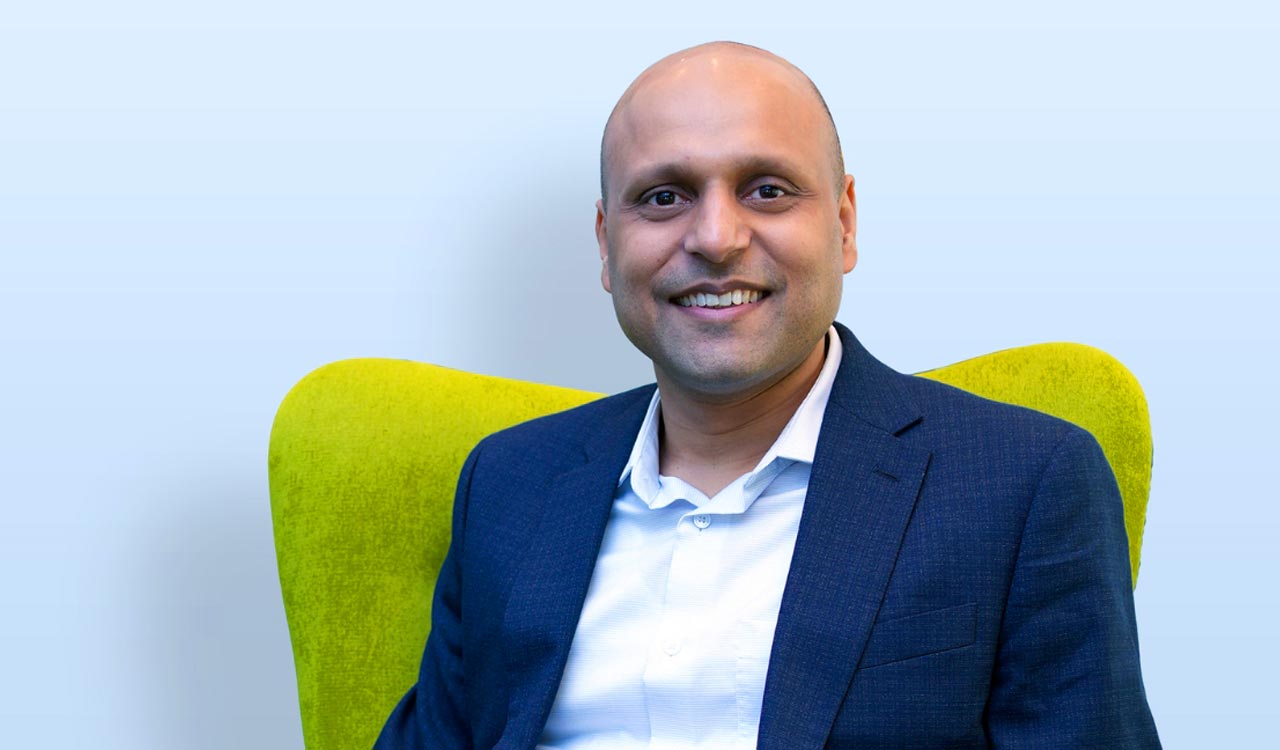


For Ankit Aggarwal, Founder and CEO of Unstop, one of the biggest challenges in hiring is that promising candidates can be overlooked before they ever get an opportunity to demonstrate their abilities. A résumé may tell recruiters where someone studied, which qualifications they hold and what experience they have gained. What it cannot always reveal is how that person thinks, solves problems or responds to unfamiliar challenges.
This gap is particularly visible in early-career recruitment, where students often have limited professional experience to showcase. A candidate from a lesser-known college may possess the same capabilities as someone from a prestigious institution but may not receive the same initial attention. It is this imbalance that informs Aggarwal’s approach to building Unstop: creating opportunities for young talent to demonstrate what they can do, rather than allowing conventional credentials to determine who gets noticed.
Aggarwal believes there should be another way to identify that potential.
As the founder of Unstop, an early-talent engagement and hiring platform, he is building a business around a simple proposition: give candidates opportunities to demonstrate what they can do, rather than asking employers to judge them primarily on what is written on paper.
The idea is to make competitions, challenges and skill-based assessments a more meaningful part of recruitment. Instead of relying entirely on a resume to decide who deserves an opportunity, employers can observe how candidates approach problems, apply their knowledge and perform against defined criteria.
It is an approach that sits at the intersection of hiring, technology and a much larger question facing employers: how do you identify capable people when the number of applicants is growing, but the time available to evaluate each one is not?
From a job application to an opportunity to prove yourself
Unstop’s model brings together students, employers and institutions through competitions, challenges, assessments and recruitment opportunities. The platform has built a community of more than 30 million candidates, connects with over 20,000 colleges and works with more than 35,000 employers.
These numbers reflect the scale of the market Aggarwal is addressing. Companies recruiting fresh graduates often need to engage with large applicant pools, while students are competing for a limited number of internships, jobs and opportunities to get noticed.
Traditional campus recruitment can be restrictive. Employers may visit a select group of colleges, depend on existing networks or use academic records to determine who advances. Such methods are practical, but they can leave capable candidates outside the process.
Unstop attempts to change that equation by creating more opportunities for candidates to participate in challenges and demonstrate their abilities. Corporate competitions, for instance, can allow students to engage with business problems and interact with employers before a formal recruitment decision is made.
The platform has been associated with large-scale programmes such as Flipkart GRiD, Amazon ACE and the Tata Imagination Challenge. These initiatives bring companies and student communities together around problem-solving, innovation and engagement.
For employers, the attraction is not simply the number of students they can reach. It is the opportunity to observe talent in a setting that offers more information than a conventional application might provide.
For students, the appeal is straightforward: their college or resume need not be the only things that determine whether a company notices them.
Why competitions matter to hiring
A competition is not automatically a better hiring tool than an interview. Its value depends on what it asks candidates to do and how employers interpret the results.
A well-designed business challenge can reveal how a student approaches an unfamiliar problem. A coding contest can test technical knowledge under specified conditions. A case competition can help employers understand a candidate’s analytical thinking and ability to explain a recommendation.
These exercises offer a different kind of evidence from a resume. They allow recruiters to assess a candidate’s performance rather than relying exclusively on educational qualifications or claims about past experience.
This distinction becomes particularly important when hiring fresh graduates. Unlike experienced professionals, students often have limited work histories. Their resumes may not adequately capture their potential, particularly if they have had fewer opportunities to secure internships or participate in formal campus recruitment.
Competitions can help create additional routes into the hiring process. They can also give employers a way to engage with candidates across institutions instead of concentrating exclusively on familiar campuses.
But the approach has its limitations. Performing well in a competition does not guarantee success in a workplace, and not every role can be evaluated through a challenge. Employers still need interviews, contextual assessment and an understanding of how candidates work with others.
The opportunity lies in using competitions as one meaningful signal among several, rather than treating them as a replacement for every other part of recruitment.
Where AI Enters the Picture
For Unstop, artificial intelligence is not simply a tool for scanning résumés or generating shortlists. It is becoming part of an integrated recruitment ecosystem that connects talent discovery, engagement, assessment and hiring. The platform enables employers to engage students through competitions, hackathons and challenges before moving them through structured screening, skills assessments, interviews and selection processes.
Unstop’s AI-powered capabilities support different stages of this journey. AI agents can assist with candidate sourcing, initial screening, calling, interview scheduling and interview-related workflows, while AI-supported assessments and proctoring help employers evaluate candidates at scale. The platform also brings recruitment activities into connected workflows, reducing the need for hiring teams to manage multiple disconnected systems.
For Aggarwal, the significance of this approach lies in what technology makes possible for both sides of the hiring process. Employers can evaluate larger and more diverse candidate pools without relying exclusively on academic credentials or résumé-based filters. Candidates, meanwhile, can demonstrate relevant skills through assessments, problem-solving challenges and other structured activities that offer evidence beyond their educational background.
The objective is not to automate every hiring decision. It is to use AI to handle repetitive processes, organise relevant information and support more informed evaluations, while allowing recruiters to focus on judgement, potential and suitability for the role. In this model, AI becomes an enabler of skills-first hiring rather than simply a faster way to eliminate applicants.
Building a platform around early talent
Unstop’s growth reflects a broader shift in recruitment. Employers are increasingly looking for ways to engage with students before they formally enter the job market, whether through competitions, internships, skill assessments or other campus programmes.
For companies, these interactions can create a longer window to discover potential talent. Rather than waiting for a candidate to apply for a vacancy, an employer can introduce its brand, observe participants in a challenge and identify people who may be suitable for future opportunities.
For students, the same process can make employers more accessible. A competition can offer an opportunity to demonstrate skills and gain visibility even when a candidate does not have an extensive professional network.
The model also gives Unstop a role beyond that of a conventional job portal. Its proposition is built around the relationship between students and employers, with engagement and assessment potentially taking place before a job application reaches the final stages.
That is a different way of approaching recruitment, although its long-term value depends on whether the engagement translates into meaningful opportunities and better hiring outcomes.
The scale of the platform provides a substantial base. The harder task is ensuring that participation leads to genuine discovery rather than simply adding another round of competition to an already demanding job search.
The Future of Hiring Is About Recognising Potential
Aggarwal’s vision for the future of recruitment goes beyond making hiring faster or more automated. It is centred on changing what employers look for and how candidates get the opportunity to demonstrate their capabilities. Rather than allowing college names, academic scores or conventional career paths to dominate early screening, he advocates a hiring approach that places greater emphasis on demonstrated skills, aptitude and the ability to learn.
For Unstop, AI offers a way to make this approach practical at scale. By connecting talent discovery, assessments and recruitment automation, the platform aims to help organisations identify promising candidates across institutions and backgrounds while giving recruiters more meaningful information on which to base their decisions. Technology can improve the efficiency of the process, but human judgement remains essential when interpreting results and evaluating an individual’s potential.
The larger ambition is to create a hiring ecosystem in which access to opportunity is not determined primarily by where someone studied or how effectively they present themselves on paper. Candidates should have a fair chance to demonstrate what they can do, and employers should have the tools to recognise those capabilities.
Ultimately, the future of AI-led hiring should not be measured only by the number of applications processed or the time saved in recruitment. Its greater value will lie in how effectively it helps employers discover talent they might otherwise have overlooked. For Aggarwal, that is the shift worth pursuing: from hiring based predominantly on credentials to hiring informed by capability, with AI making that transition possible at scale.
There are questions the model must continue to answer. How consistently do competitions translate into interviews and offers? Do employers discover candidates they would otherwise have missed? Are assessments fair to students with different levels of access to resources? And do the people selected through these processes perform well once they enter the workplace?
These are not minor details. They determine whether the approach can become a durable alternative to resume-led screening or remain an additional channel for candidate engagement.
For Aggarwal, the central idea is that talent should have more than one way to make itself visible. A student should not have to depend entirely on the name of their college or the strength of their resume to get an employer’s attention.
If competitions and assessments can give employers a clearer view of what candidates are capable of doing, they can make hiring more informed and open up opportunities for people who might otherwise be overlooked.
The future of recruitment may not belong to competitions instead of resumes altogether. It may belong to a process in which resumes provide the background, challenges reveal the skills, and conversations help employers understand the person.
That is the shift Unstop is trying to build its business around, and the bet that will define how far Aggarwal’s vision can go.