Mercury pollution in marine mammals is increasing
A study of 738 UK harbour porpoises (1990–2021) shows mercury levels rising about 1% annually, nearly doubling since the 1990s. Higher mercury burdens increased the risk of death from infectious disease, revealing persistent ocean contamination despite the Minamata Convention
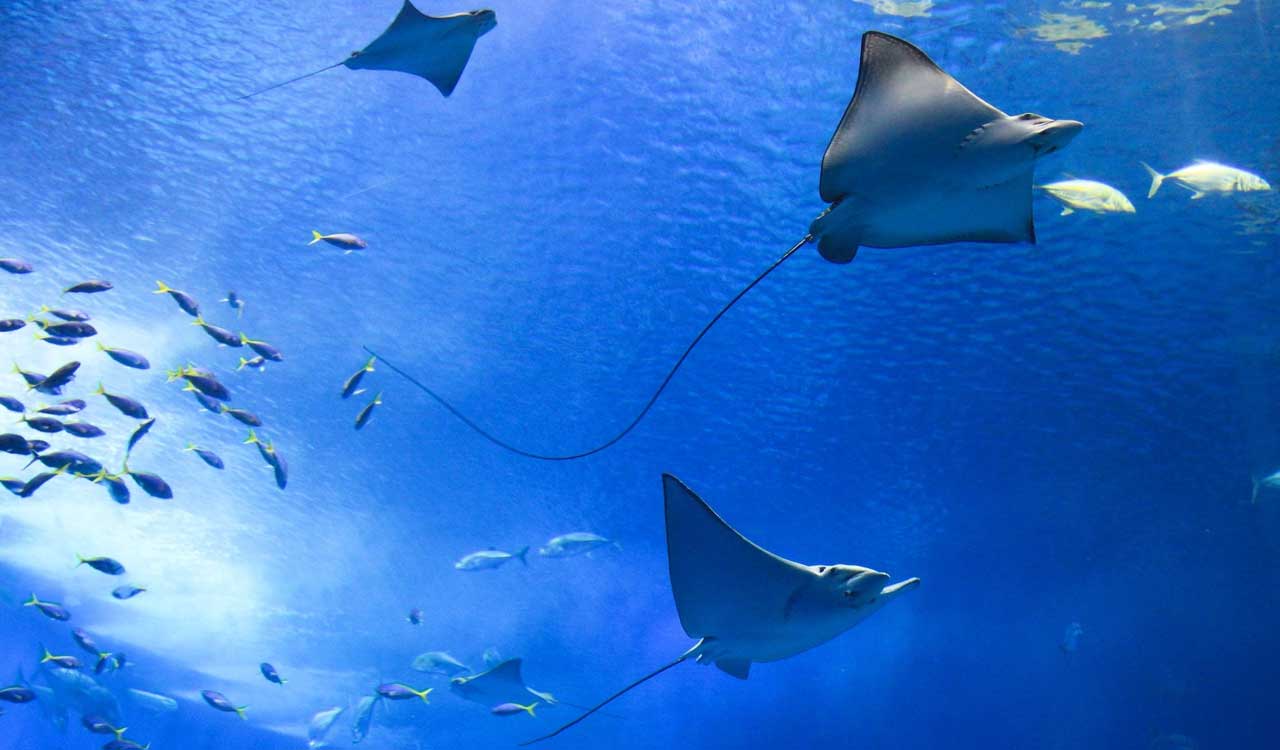


London: In 2017, a new global treaty was meant to bring mercury pollution under control. But three decades of data from UK harbour porpoises show mercury is still increasing, and is linked to a higher risk of dying from infectious disease.
When the Minamata convention came into force eight years ago, it was hailed as a turning point. The global treaty on mercury commits countries to reducing mercury from coal-fired power plants, industry and products, like batteries and dental fillings.
Yet mercury levels are still rising in many parts of the ocean. Human activities such as the burning of fossil fuels have already tripled mercury in shallower ocean waters (less than 1,000m in depth) since the industrial revolution.
Warmer seas and shifting food webs are exacerbating the problem by increasing the rate of accumulation in the marine food chain.
In a new study, researchers analysed liver samples from 738 harbour porpoises that stranded along UK coastlines between 1990 and 2021. We found mercury levels increased over time and animals with higher levels are more likely to die from infectious disease.
Harbour porpoises are sentinels of ocean health because they are long lived (often for more than 20 years) and high up the food chain. This makes them more vulnerable to certain pollutants. The contaminants that build up in them are a warning for the marine ecosystem – and for us.
The reasearchers measured trace elements as part of the UK’s strandings programmes in England, Wales and Scotland – the Cetacean Strandings Investigation Programme (CSIP) and the Scottish Marine Animal Stranding Scheme (SMASS).
Stranded animals die from a range of causes, including bycatch in fishing gear and disease. When found washed up, a subset are sent to our London laboratory for post-mortem examination to help us better understand the population and the threats they face.
Each animal was sampled to measure eight trace elements, including mercury, in their liver, which plays a critical role in the metabolism, detoxification and accumulation and tends to be where concentrations are highest. It was analysed how concentrations changed over time, how they varied geographically around the UK, and whether levels were related to cause of death.
Over the last 30 years, mercury concentrations in porpoise livers rose by about 1% per year. By 2021, the average mercury concentration was almost double that of early 1990s. A worrying minority (about one in ten animals in the last decade) had mercury levels where serious health effects are expected.
In contrast, lead, cadmium, chromium and nickel declined, reflecting past bans and tighter controls on these pollutants (such as the ban on lead petrol).
The researchers then investigated whether metal burdens were linked to health. Comparing porpoises that died of infectious disease with those that died of trauma, such as bycatch in fishing gear, we found that animals with higher burdens of mercury had a significantly greater risk of dying from infectious disease.
In parallel, they saw a steady increase in the proportion of porpoises dying from infectious disease and a corresponding decline in deaths from trauma. That doesn’t prove mercury is the sole cause.
Many factors, including nutritional stress and other pollutants like industrial chemicals called polychlorinated biphenyls (PCBs), also affect immune function. But our study strongly suggests that mercury is part of the problem.
Why mercury is rising
Large amounts of mercury from past coal burning, industry and mining are already present in the oceans. Much of it sits in deeper waters acting as a source supplying shallower water and can take decades or centuries to be removed. This may explain why declines aren’t evident.
Climate change and overfishing are also disrupting marine food chains. This affects the formation and bioaccumulation (build up in tissues) of methylmercury (the toxic organic form of mercury), increasing levels in the fish that porpoise prey on.
And global emissions have not stopped: coal power, cement production and sources such as dental amalgam still release mercury to the environment.

Related News