Nanoparticle breakthrough offers new hope for Alzheimer’s reversal
Scientists from Paul Scherrer Institute and University College London developed bioactive nanoparticles that cleared toxic proteins in mice, reversing Alzheimer’s symptoms and restoring cognition, offering a potential shift toward vascular repair-based therapies for neurodegenerative diseases



Hyderabad: A promising nanotechnology approach has successfully reversed Alzheimer’s symptoms in animal models, signaling a possible shift from traditional drug therapies to vascular repair.
Researchers from the Paul Scherrer Institute (Switzerland) and University College London have unveiled ‘supramolecular drugs’, which are bioactive nanoparticles that function as a waste-clearance system for the brain.
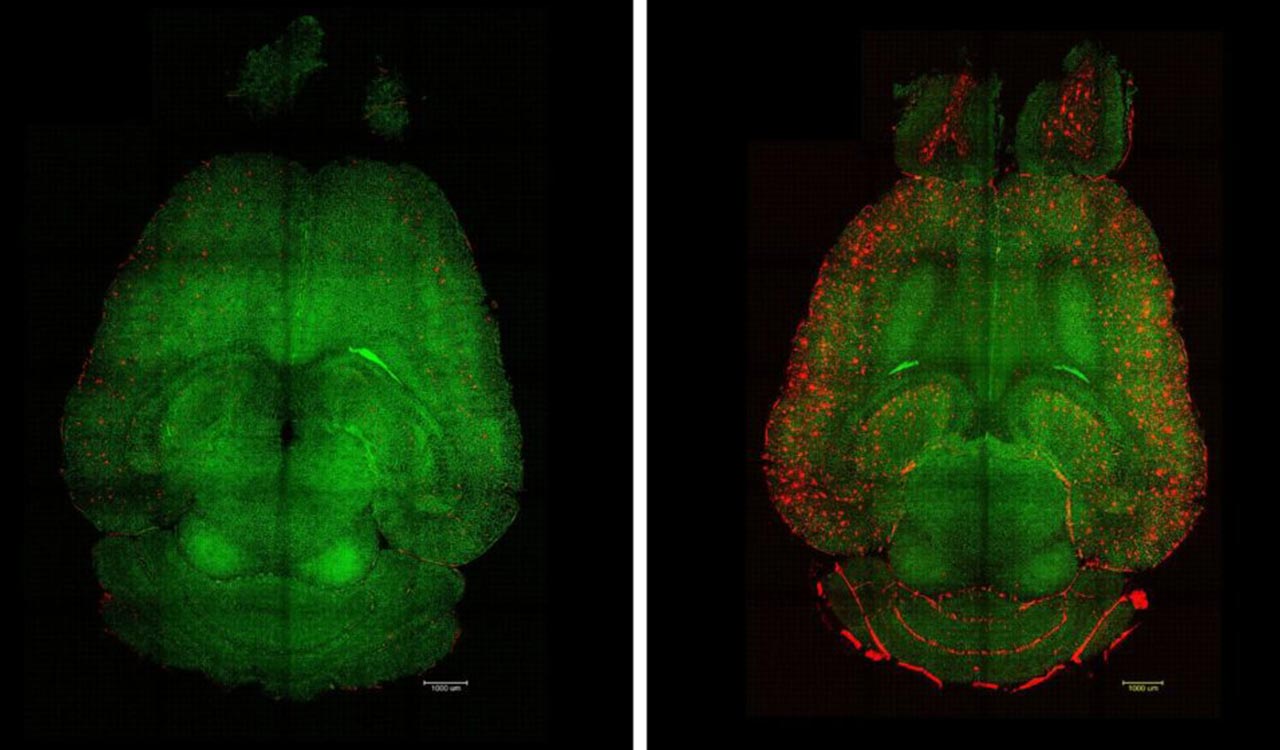
The results, published recently, are being hailed as a ‘ray of hope’ by the scientific community. In laboratory trials, a single hour of treatment reduced toxic brain proteins by up to 60 percent .
Most notably, elderly mice treated with the nanoparticles showed a complete recovery of cognitive functions, performing at levels identical to healthy counterparts.
The research moves the focus away from trying to repair dead brain cells or implanting new ones. Instead, it prioritizes the health of the brain’s blood vessels. By using nanoparticles to physically remove toxic proteins from the vascular system, the treatment allows the brain to maintain its own health. It treats Alzheimer’s as an ailment rather than an irreversible loss of brain tissue.
“We aren’t just slowing the decline; we are resetting the brain’s own cleaning mechanism. While the transition from mice to human clinical trials remains a significant hurdle, this ‘nano-filter’ strategy provides a robust blueprint for treating neurodegenerative diseases by restoring the brain’s vascular health rather than just targeting its neurons,” the lead researchers added.

Related News