No reason India cannot emerge as global mediation centre: CJI
CJI Surya Kant on Friday said India has the potential to become a global mediation hub, citing the Mediation Act, 2023 and growing institutional capacity. He called for strengthening alternative dispute resolution infrastructure, particularly for complex cross-border disputes and online mediation
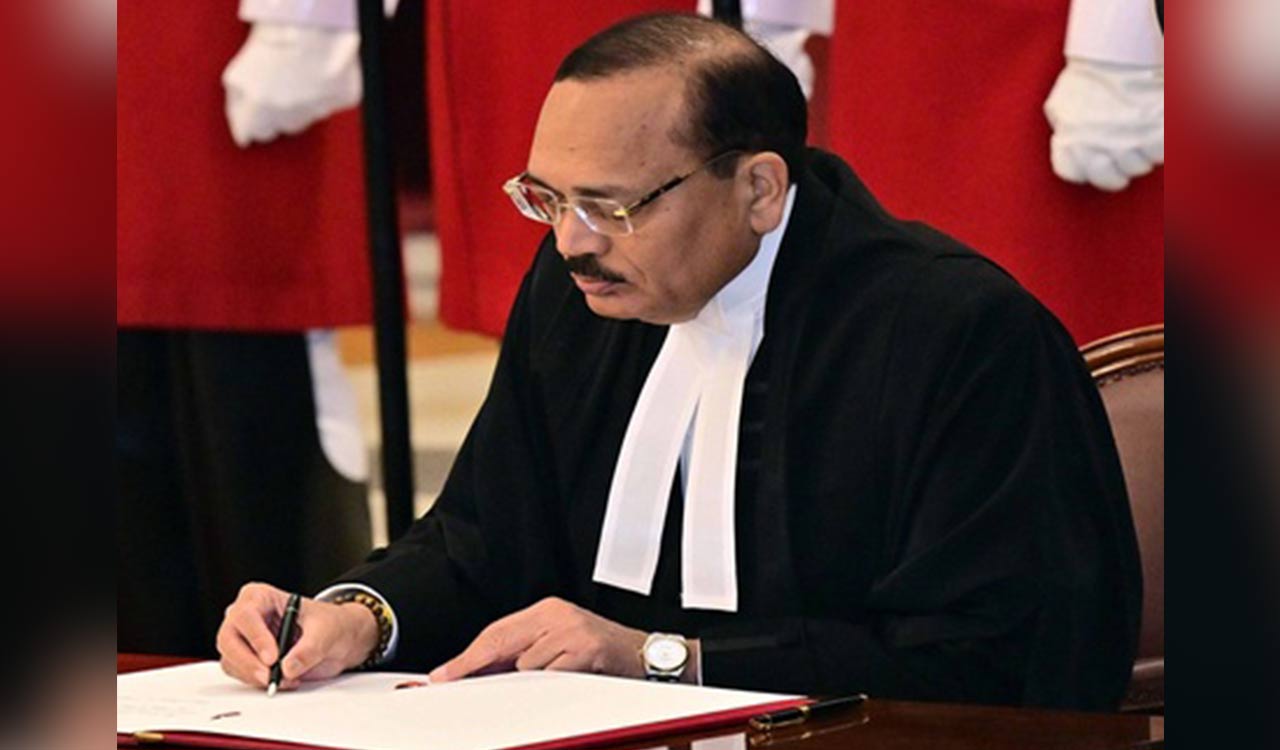


New Delhi: Chief Justice of India (CJI) Surya Kant on Friday said there was no reason why India cannot become a global centre of mediation. The CJI said that the Mediation Act, 2023 provided a standalone statutory architecture for this mode of alternative dispute resolution for the first time, and institutions were becoming capable of handling complex, cross-border mediations with the same confidence that international parties employ in commercial dispute resolution worldwide.
The top judge added that the feat became possible due to the sustained and thoughtful support of the Indian judiciary, court-annexed mediation centres and the like. CJI Kant was speaking at the inaugural ceremony of the International ADR Conference, 2026, here organised by Maadhyam International Council for Conflict Resolution.
“There is no reason why India cannot establish herself as a genuine centre of mediation for the global community. Considering the momentum at which our economy is expanding, it is not enough to merely have adequate dispute resolution infrastructure; rather, it is essential that we develop it into a state-of-the-art framework that keeps pace with our astronomical growth,” CJI said.
“It is, therefore, heartening that the institutions in India capable of realising this ambition are already beginning to take shape, and there is every reason to believe they can facilitate complex, cross-border mediations with the same confidence that international parties employ in commercial dispute resolution worldwide,” he added.
In his address, the CJI said he “truly hoped” that the legal fraternity would strengthen the existing alternative dispute resolution framework and “help India take her place among the true frontrunners of this field, worldwide”. The CJI asserted that the sine qua non of mediation was “deeply psychological” and data showed that voluntary compliance by parties with mediated settlements was as high as 90 per cent, which was well above results achieved through adjudication.
Unlike litigation and arbitration, mediation asks “what the parties can themselves live with, and what they can build upon”, he said. The CJI further said that mediation has certainly undergone a substantial and challenging evolution over the past years, as earlier it was associated with “stuffy rooms, worn-out furniture and mediators who would seemingly coerce the parties towards reluctant compromises”.
“Step into a mediation today, and you are likely to find a young professional trained under a rigorous certification framework, drawing on techniques refined across commercial, corporate and family disputes alike. Institutional mediation centres now run with case managers, encrypted digital files and settlement agreements authenticated within hours rather than weeks,” he said. The CJI also acknowledged that online dispute resolution platforms allow parties on different continents to mediate.

Related News
-

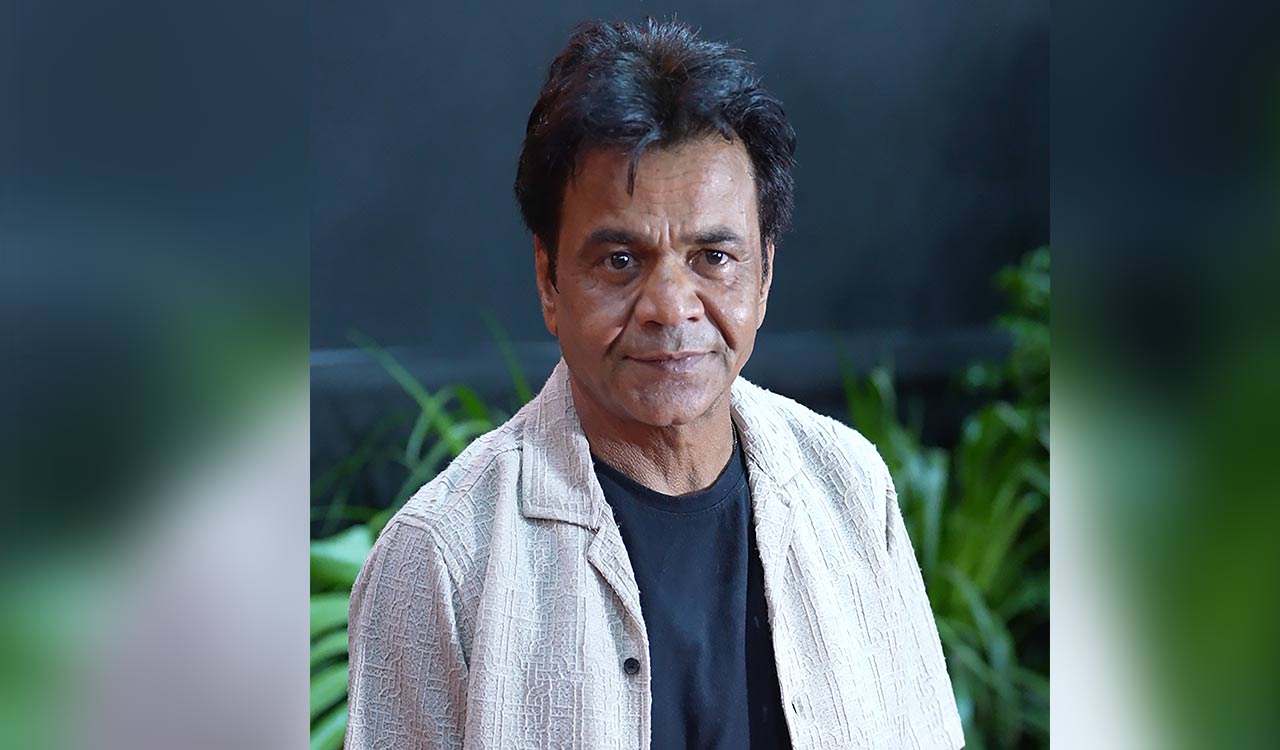
Cheque bounce cases: Rajpal Yadav offers Rs 2 crore payment; SC expresses displeasure over conduct
-
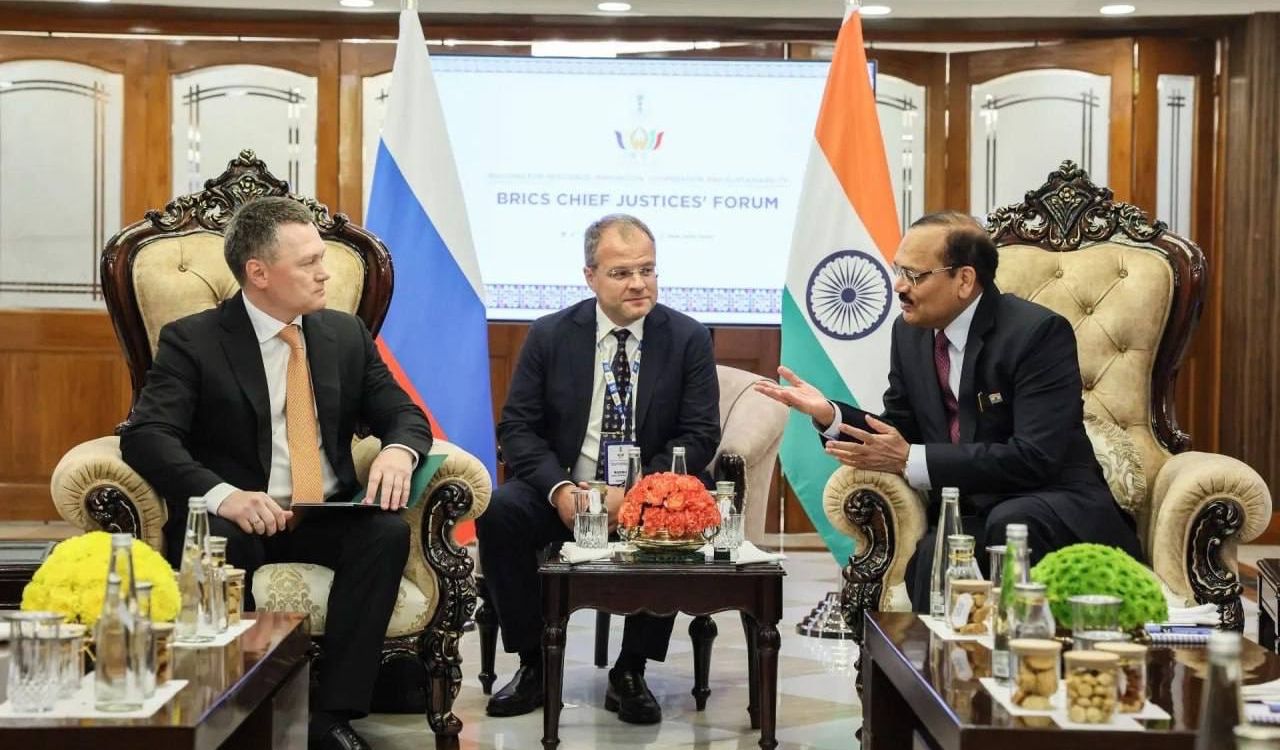
India, Russia discuss strengthening judicial cooperation and global coordination
-
SC Collegium recommends new chief justices for Rajasthan, MP, J&K high courts
-
SC seeks Centre, states’ response on PIL against police posting accused identities online