Nuclear-powered submarine Perm to join Pacific Fleet: Putin
Russian President Vladimir Putin said the nuclear-powered submarine Perm will join the Pacific Fleet for combat duty, as Russia plans to deliver five missile-carrying submarines, including three Yasen-M vessels, by 2030.
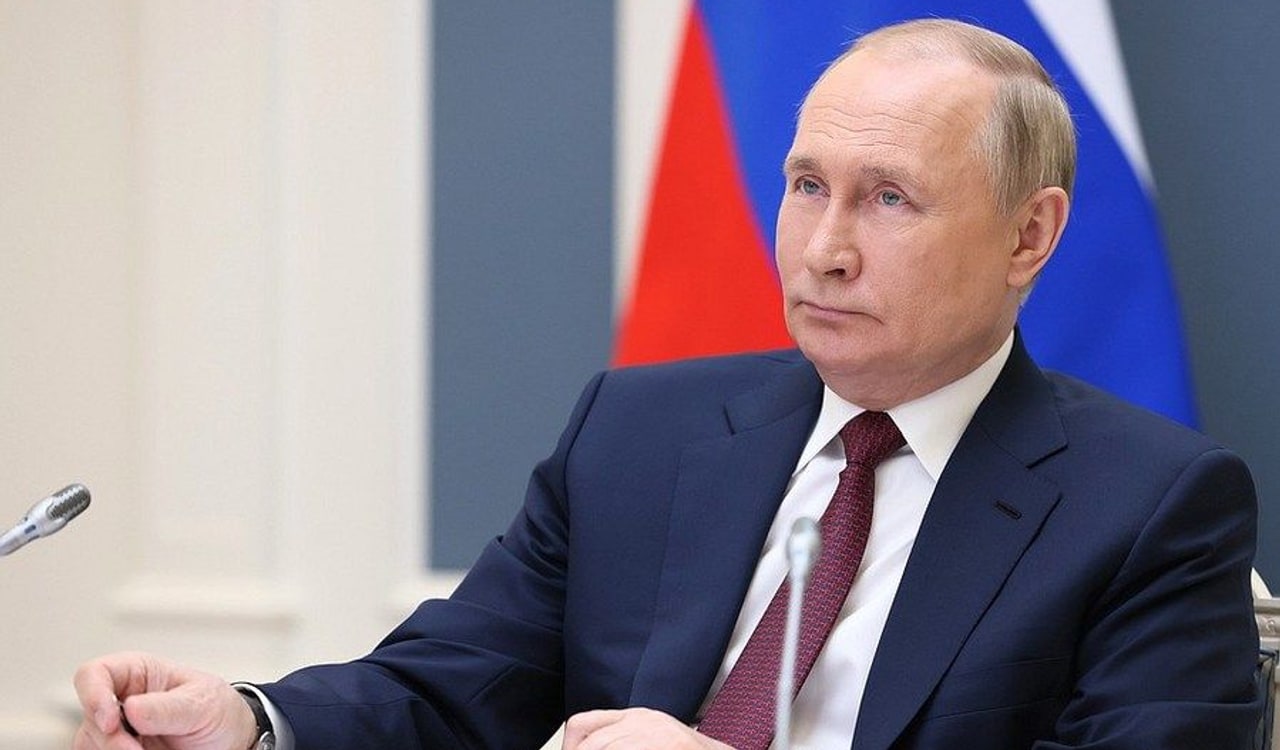


Moscow: Russian President Vladimir Putin said the new nuclear-powered submarine Perm will join Russia’s Pacific Fleet and undertake combat duty.
Putin made the remarks on Friday while attending a ceremony to raise the Russian naval flag on the Perm at the Sevmash shipyard in Severodvinsk, a major shipbuilding centre in northwestern Russia, the Kremlin said in an official statement.
The Perm was the fifth Yasen-M-class nuclear-powered submarine delivered to the Russian Navy over the past six years, Putin said. He added that Russia was one of the few countries capable of building such advanced nuclear-powered submarines, which he described as weapons systems of global strategic significance, Xinhua news agency reported.
According to the Kremlin, the Perm is a fourth-generation, multipurpose nuclear-powered submarine and the first Russian Navy submarine equipped with Zircon hypersonic cruise missiles as standard armament.
Submarines of the Yasen-M class are designed to operate in different parts of the world’s oceans while remaining undetected. Putin said the Perm would join Russia’s Pacific Fleet in the near future to protect Russia’s maritime borders.
Russia plans to continue expanding and modernising its Navy, particularly its submarine fleet, according to Putin. He said the Sevmash shipyard was continuing construction of several types of nuclear-powered submarines, with five missile-carrying submarines scheduled for delivery to the Navy by 2030, including three of the Yasen-M class.
Putin said measures to expand serial ship production and modernise weapons systems would help ensure stable operations in the shipbuilding and defence industries, promote advanced technologies, and strengthen Russia’s defence capabilities and technological sovereignty.

Related News