One dam, two fears: TN wants 152 ft, Kerala fears the worst
The Mullaperiyar dam dispute has returned to focus after Tamil Nadu's reported plan to raise the water level to 152 feet. Kerala residents have raised safety concerns, while the long-running dispute continues to involve water rights, structural safety and legal issues
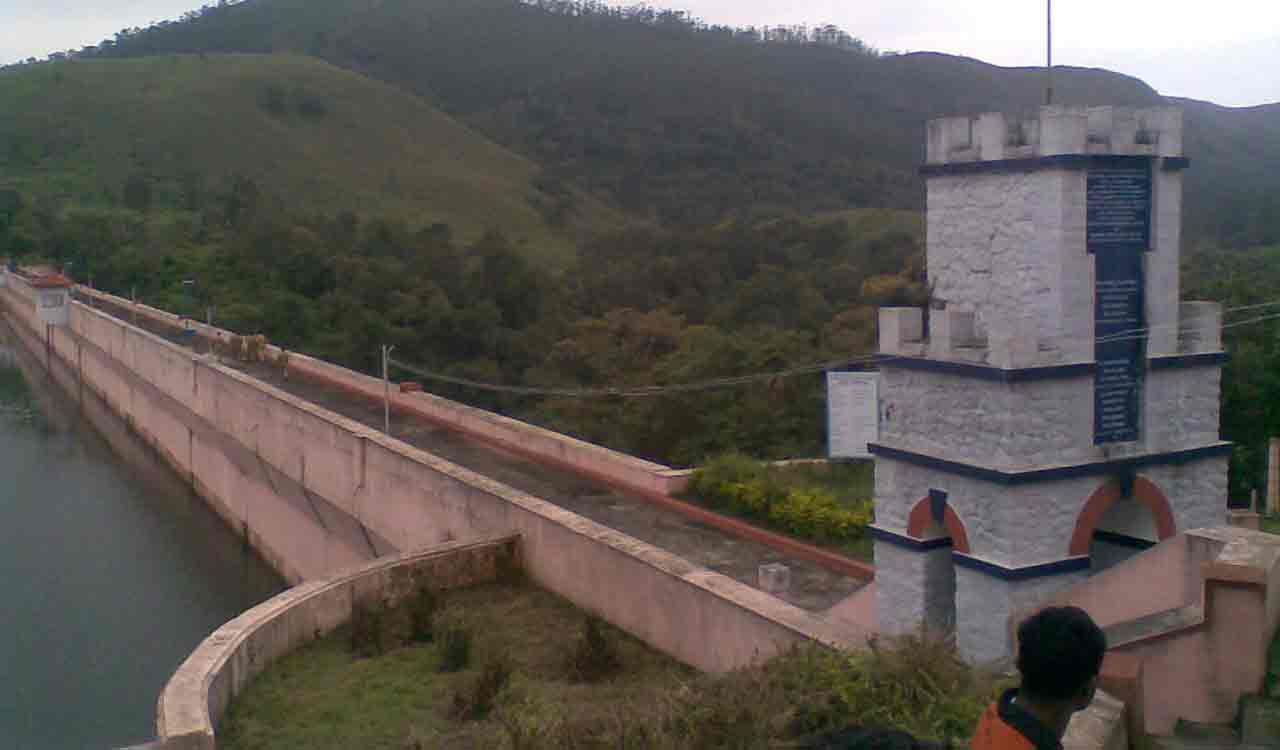


Hyderabad: The Mullaperiyar dam dispute has returned to the spotlight after Tamil Nadu’s reported move to raise the water level of the 131-year-old dam to 152 feet, citing strengthening measures and the safety of the structure. The development has once again brought the long-standing water-sharing and dam-safety dispute between Tamil Nadu and Kerala to the centre of the monsoon debate, with Kerala opposing any move that could increase the pressure on the ageing structure.
Speaking to Telangana Today, residents in Kerala expressed concern over the possible increase in the water level. A resident of Ernakulam district said the issue concerns the lives of lakhs of people living downstream of the dam. “It is all about the lives of lakhs of people in Kerala. If something happens to the dam, half of Kerala will disappear,” the resident said. Another resident questioned why Tamil Nadu was not agreeing to the construction of a new dam instead of continuing with the existing structure. “The Tamil Nadu government’s efforts to secure its people and land should not come at the cost of the lives of people in Kerala. Why are they not agreeing to build a new dam?” the resident asked.
Speaking to Telangana Today, Abhishek Kumar Mishra, a doctoral research scholar at the Times School of Media, said the dam was built in a dense and remote forest region of the Western Ghats using construction techniques and materials of the late 19th century. He said the original structure used surkhi-based mortar, while the main dam was later reinforced with concrete backing, making it a composite masonry and concrete structure. He also pointed to the Baby Dam as an important component in the continuing safety debate.
The reported 152-foot move comes amid a dispute over the legal and technical status of the reservoir level. Reports following Tamil Nadu’s August 6 budget said the government had announced plans to raise the water level to 152 feet. However, the official budget records did not appear to contain a specific provision announcing such an increase, making the distinction between the political statement and the formal budget document significant.
The Supreme Court‘s 2014 judgment had permitted the water level to be raised from 136 feet to 142 feet and held that it could subsequently be raised to 152 feet after specified strengthening works and a safety assessment. The court also dealt extensively with the legal dispute between the two states over the dam.
Constructed between 1887 and 1895, Mullaperiyar is a masonry gravity dam located in Kerala but operated by Tamil Nadu under the long-term lease arrangement dating back to the colonial period. Tamil Nadu relies on the diverted water for irrigation and other requirements in its southern districts, while Kerala has repeatedly raised concerns over the safety of the ageing structure and demanded the construction of a new dam.
The dam’s age, however, is not by itself evidence that it is unsafe. Structural safety involves several factors, including seepage, deformation, foundation behaviour, reservoir pressure and the structure’s ability to withstand different loading conditions. Concerns over seismic activity have also featured in the wider debate, but the occurrence of earthquakes alone cannot establish that the dam is on the verge of failure.
The dispute therefore continues to be caught between two competing concerns, Tamil Nadu’s demand for water security and Kerala’s demand for greater downstream safety. With the monsoon bringing the reservoir back into public focus, Mullaperiyar remains less a question of water alone and more a question of how two states can balance water rights with the safety concerns of millions living downstream.

Related News
-

Owaisi moves Supreme Court against SIR, alleges irregularities in EC decision-making
-
No Metro services cut on October 10, DMRC tells Supreme Court
-
Apex court summons senior Delhi police officer assault on women journalists covering protests
-
SC stays trial in defamation case against Rahul Gandhi over derogatory remarks against PM Modi