Short-sightedness costs Telangana Rs 50,000 crore
Timely planning, strategic budgetary allocations and efficient pump operations could have mitigated Telangana's agrarian and drinking water crisis. But administrative inaction and poor coordination have left farmers and urban households facing mounting losses


By Dr Arroju Srinivas
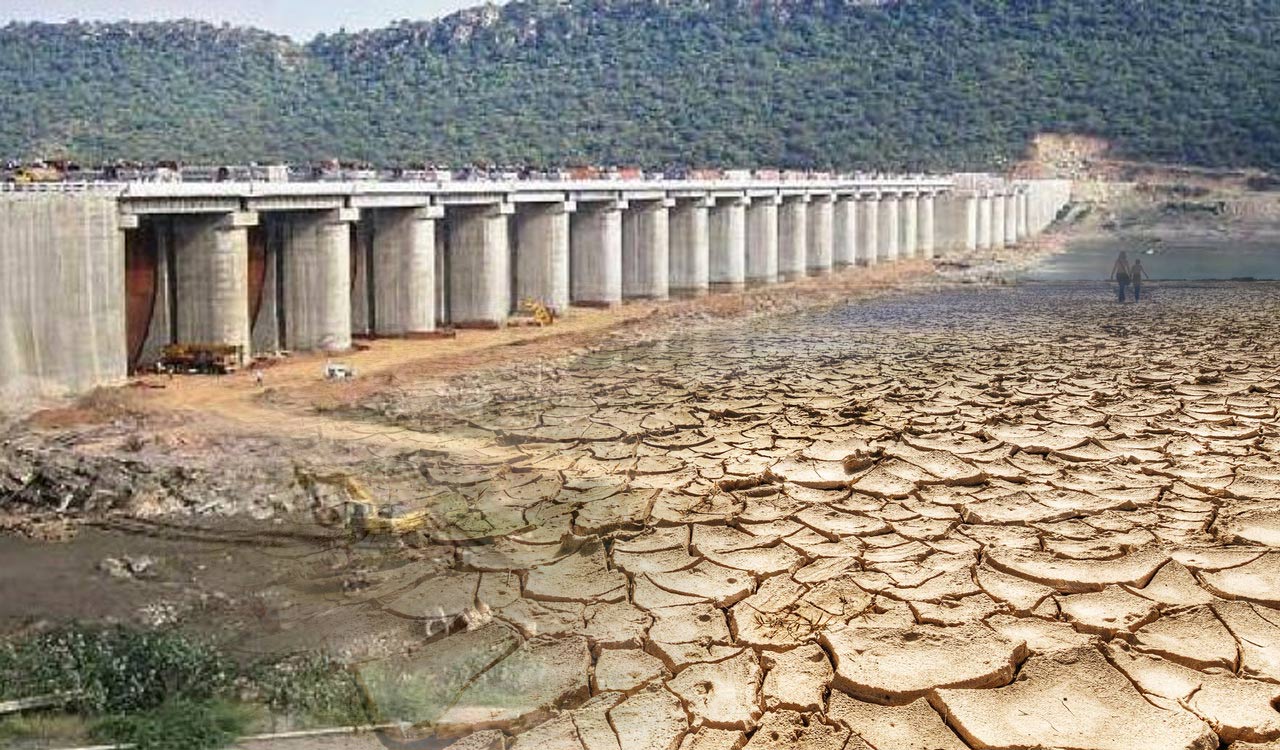
A crippling lack of foresight, misaligned policy decisions, and the breakdown of advance planning in irrigation management have pushed Telangana into a deep socio-economic crisis. Despite early global warnings regarding the impending El Niño phenomenon, state administrative machinery failed to act in time.
Inter-departmental coordination collapsed, leaving Telangana’s agricultural engine, rural livelihood networks, and the capital’s drinking water infrastructure exposed to devastating, near-irreversible damage.
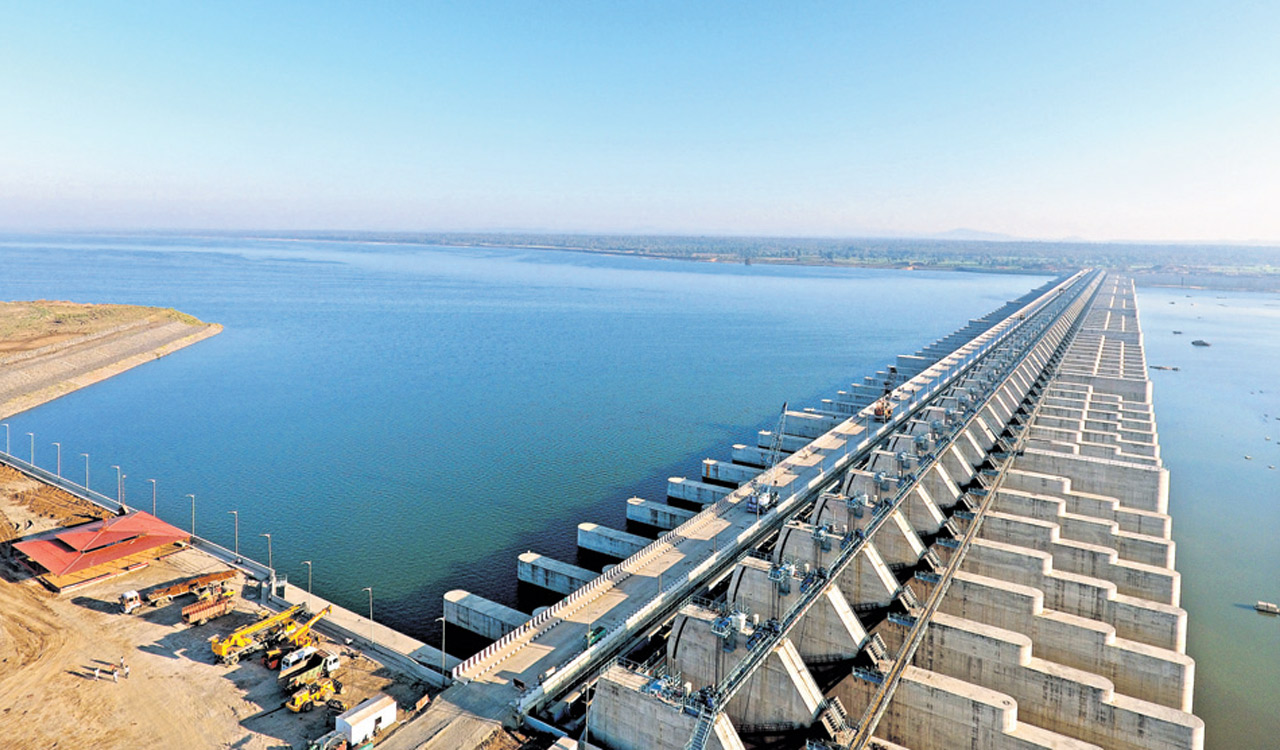
The irony is stark: a fraction of proactive investment, between Rs 1,000 crore and Rs 1,500 crore to run lift pumps early along the Godavari and Krishna rivers, could have fundamentally altered this trajectory.
Failure of Vision and Management
Effective irrigation management requires timely planning, strategic budgetary allocations, and seamless pump operations. Yet the current administration appears oblivious to these basic levers of governance.
While State officials vacillated, neighboring States heeded climate warnings, spending under Rs 900 crore on power costs for lift schemes to safeguard crops worth Rs 20,000 crore. Had Telangana shown similar foresight by lifting 100 TMC of water, State reservoirs and irrigation tanks would have remained replenished and groundwater tables stabilised.
Over 15 lakh acres of cotton, alongside 5 lakh acres of paddy, maize, and red gram, could have been preserved through minimal late-season wetting. Saving that Rs 20,000 crore in agricultural yield would have prevented a ripple effect across connected supply chains, preserving an overall regional economic footprint estimated at Rs 50,000 crore.
Hyderabad’s Impending Urban Crisis
The crisis is not confined to rural fields. It has reached the capital’s doorsteps. Despite the recent monsoon, water levels in key supply reservoirs have plunged, and metropolitan aquifers are virtually depleted.
The Hyderabad Metropolitan Water Supply and Sewerage Board (HMWSSB) currently distributes 20,000 municipal tankers daily, a drop in the ocean for an urban population of 15 million. With official deliveries delayed by days, residents rely heavily on private tankers charging upwards of Rs 2,000 per load.
An estimated 1,00,000 private trips are made daily to supply homes with dead borewells, forcing citizens to spend Rs 16 crore every day simply to access basic drinking water. If drought conditions persist over the next nine months, urban households stand to burn through an astonishing Rs 10,000 crore on private water by next summer.
Human Toll on Rural Livelihoods
In rural Telangana, small and marginal farmers who depend on cotton as their primary monsoon cash crop are facing complete financial ruin. Although the State recorded a modest 17% overall rainfall deficit between June and September, prolonged dry spells disrupted sensitive crop cycles. Preliminary estimates show 23.40 lakh acres of crop damage Statewide, with cotton accounting for 15 lakh acres.
Because cotton is an input-intensive crop, smallholders borrowed heavily for high-cost seeds, fertilizers, and labor. The loss of yield shrinks rural purchasing power, stalls local markets, and paralyses ancillary industries including ginning mills, textiles, and transport logistics.
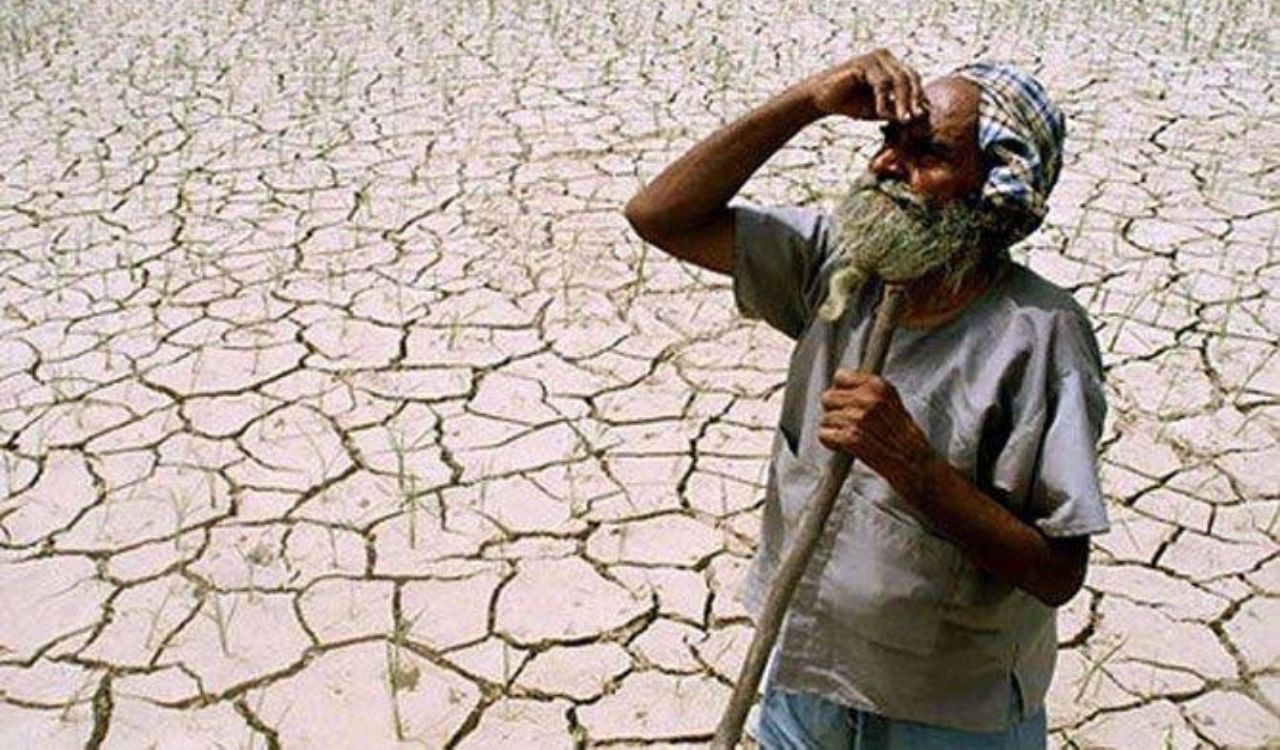
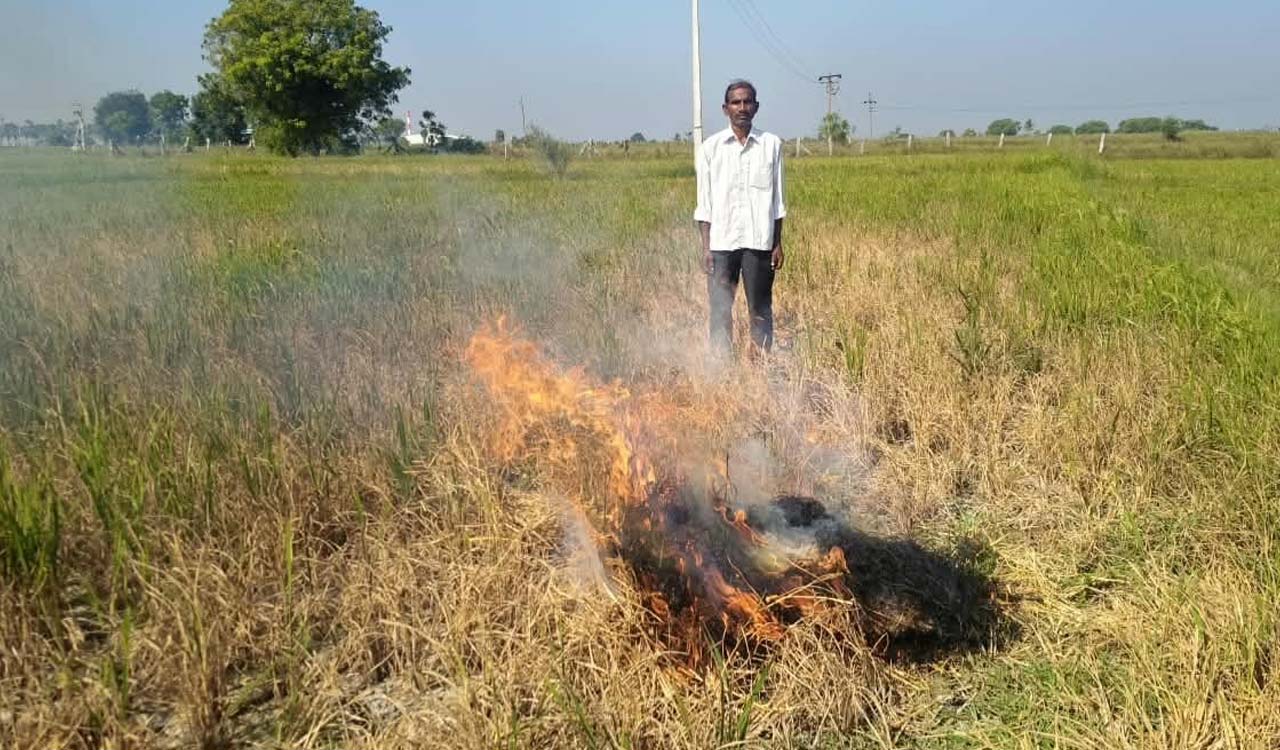
Over half of Telangana’s population relies on agriculture. Yet, the government’s response has been symbolic at best, declaring just three mandals in Jangaon district as drought-affected while two lack acres of crop lost. Desperate farmers are reduced to torching ruined fields or paying out of pocket for emergency tankers, while rising debt loads spark tragic reports of farm suicides.
Roadmap for Immediate Recovery
Moving forward, the administration must replace political rhetoric with decisive operational measures.
- Direct Cash Compensation: Provide emergency financial relief of Rs 20,000 per acre to affected small and marginal farmers.
- NDRF Mobilisation: Conduct immediate field assessments across all damaged districts to secure National Disaster Response Fund grants from the central government.
- Guaranteed Bulk Water Supply: Avoid relying solely on price caps for private water tankers in Hyderabad. Enforcing price limits without guaranteeing underlying supply will push vendors onto the black market; the State must secure continuous pumping from the Krishna and Godavari projects.
Telangana cannot afford continued administrative inertia. Sound governance requires acting before disaster strikes, not managing the fallout after the fields have dried.

(The author is president, Telangana Adhyayana Samalochana Kendram)

Related News
-

Telangana declares 365 mandals drought-affected for Vanakalam 2026
-
Telangana irrigation crisis raises questions over water management and project utilisation
-
After Gadwal, Suryapet farmer sets crop ablaze as water, power crisis deepens
-
Revanth Reddy faces uphill task in securing Maharashtra’s nod for Tummidihatti barrage