Opinion: AI and income inequality
The benefits of AI will reach broad segments of society only if access is equitable



By Jadhav Chakradhar, Arun Kumar Bairwa
The rapid advancement of artificial intelligence (AI) has sparked a global debate: will AI foster more equitable economic opportunities or exacerbate income inequality? While AI promises gains in productivity and efficiency, its impact on the global economy is uncertain and complex. This article examines AI’s role in shaping income inequality through occupational displacement, economic polarisation and access barriers, questioning whether its ultimate influence will promote or undermine economic equity.
Income Inequality Challenge
Income inequality within countries has steadily increased, with the gap between the average incomes of the top 10% and the bottom 50% nearly doubling — from 10 to 18 times — between 1980 and 2020. Factors such as hyper-globalisation, technological shifts and resource disparities have driven this trend, creating a new economic divide that AI could deepen. Historically, technology has concentrated wealth among those with the means to control and leverage it.
However, AI’s potential scope extends beyond routine tasks, disrupting roles in finance, law, medicine, journalism and various low- to medium-skilled sectors. This broad reach could drive inclusive growth by creating jobs and expanding economic participation, or it could exacerbate disparities by concentrating high-paying roles and AI-driven benefits within a small elite, reinforcing a hierarchical economy grounded in technological ownership and expertise.
Double-Edged Sword
Automation, a major factor in AI-driven inequality, enables AI systems to handle increasingly complex tasks traditionally performed by humans — from data analysis and customer service to diagnostics and creative content generation. While automation enhances corporate efficiency and profit, it also reduces demand for certain human roles, particularly in routine, low- and medium-skilled jobs. This shift could drive workers toward lower-paying, less secure service-sector roles or, worst cases, force them out of the workforce.
Industries such as transportation, retail and manufacturing are already experiencing the impact of AI-driven automation, with machines and algorithms gradually replacing human labour. Studies indicate that millions of jobs could be at risk, disproportionately affecting those with limited resources or specialised skills. This displacement challenges workers to find roles that align with their abilities and pay expectations, while high-tech fields like AI development and data science demand specialised training that is inaccessible to much of the workforce.
Wealth and Power
The growing AI economy increasingly centralises wealth and influence among a small group of individuals and companies who control these technologies. Financial gains from AI predominantly benefit technology owners, corporate executives and a select group of skilled professionals, potentially establishing an economic hierarchy where high-tech opportunities are limited to the well-resourced while the rest face stagnant or declining incomes.
This division restricts economic mobility, with income growth benefiting those at the top. Individuals without access to AI skills face significant challenges in securing well-paying jobs, as high-tech roles often demand specialised knowledge and resources that many lack. This could create a self-perpetuating cycle, where those equipped to adapt to the AI economy thrive while others are left behind.
An alternative perspective suggests AI’s potential to enhance access to resources and opportunities. Just as the internet and mobile technology democratised information and communication, AI could broaden access to education, skills training, financial services, and healthcare. By making these resources more accessible and affordable, AI could help bridge divides previously defined by income and location. For example, AI-driven educational tools can bring quality education to underserved communities, offering opportunities once limited to wealthier groups.
Financial gains from AI benefit a select group of skilled professionals, establishing an economic hierarchy where high-tech opportunities are limited to the well-resourced
Yet, the benefits of AI will reach broad segments of society only if access is equitable. Without proactive measures, there is a risk that AI advantages will continue to favour those with technological resources and expertise. If governments, businesses and institutions ensure that AI-driven tools and services reach lower-income and marginalised communities, AI could reduce rather than exacerbate certain inequalities. However, this scenario requires concerted policy action and a commitment to inclusivity.
Addressing Inequality
To mitigate AI-driven inequality, inclusive policies fostering equitable economic growth are essential. Several strategic approaches could support this goal. Both public and private sectors should invest in reskilling programmes that help workers transition into high-value roles by building skills in demand, particularly in tech and AI-related fields. Companies benefiting from AI efficiencies could be incentivised or encouraged to contribute to these initiatives.
Counties must prepare future generations for the AI economy, and schools and institutions should prioritise STEM (science, technology, engineering, and math) education, digital literacy and adaptability skills. Fostering problem-solving, creativity and technical proficiency is essential for navigating an increasingly AI-driven world.
Indian Context India’s case is particularly noteworthy given its distinct economic structure and demographic profile. With a large, young workforce and a reliance on labour-intensive industries, India is poised to experience AI’s impact across multiple sectors. Millions of Indians work in jobs vulnerable to automation, such as call centres, manufacturing and agriculture. For these workers, AI could result in substantial job loss and increased poverty, particularly in lower-income and rural areas.
Moreover, India’s limited ICT skills, particularly among marginalised communities, could worsen income inequality as AI technology advances. A recent study by Chakradhar and PK Choudhary (2024) highlights a severe disparity in computer literacy between Scheduled Castes and Scheduled Tribes compared to upper castes in India. This digital divide leaves lower-income groups unprepared for AI-related opportunities, especially in rural areas, where ICT skills are notably deficient. Without equitable access to digital education and infrastructure, India’s AI-driven economic growth risks reinforcing existing social inequalities, particularly affecting lower-caste and rural populations. At the same time, India’s expanding tech sector could drive high-value job creation in urban centres.
Policymakers face the challenge of balancing AI-driven growth with protections for vulnerable populations. Initiatives like the Pradhan Mantri Kaushal Vikas Yojana (PMKVY) could be instrumental in reskilling and upskilling workers, helping them transition into AI-aligned roles. Targeted rural development projects could further promote equitable AI benefits across the country.
Will AI ultimately widen income inequality? The answer depends on how we deploy, regulate and provide access to AI technologies. While AI offers the potential for democratising opportunities and enhancing economic productivity, it also risks deepening existing inequalities by concentrating wealth and power. Without proactive measures, AI may contribute to a more polarised society, restricting economic mobility for the majority.
However, with thoughtful, inclusive policies, there is a path toward an AI-driven economy that broadly benefits society. The question of whether AI will expand or narrow income inequality hinges on choices that policymakers, businesses, and communities must urgently confront. AI’s legacy will depend on our collective commitment to fostering a fair and inclusive future.
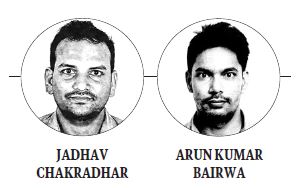
(Jadhav Chakradhar is Assistant Professor, Centre for Economic and Social Studies (CESS), Hyderabad. Arun Kumar Bairwa is Assistant Professor, Indian Institute of Management, Amritsar)

Related News