Opinion: Excess liquidity in Indian banks—who gains and who loses?
Record cash surpluses may lower borrowing costs, but without equitable credit allocation, MSMEs and emerging businesses could remain on the margins


By Dr Sreelakshmi P
In recent years, India made significant progress in introducing cashless transactions into its financial system. After Covid, the banking system faced liquidity challenges, partly due to non-performing assets (NPA), prompting the Reserve Bank of India to inject thousands of crores of rupees to maintain banking system and economic stability.
The banking system recorded surplus liquidity of Rs 11.6 lakh crore as of September 5, a near five-year high. Surplus liquidity stood at Rs 1.07 lakh crore in July 2026.
Challenge for RBI
What does this mean for banks and the RBI? The RBI is actively attempting to absorb this excess liquidity, which is equivalent to approximately 4 per cent of the deposits in the Indian banking system, through a series of operations. The regulator has already absorbed Rs 4.6 lakh crore through 30-day variable rate reverse repo (VRRR) operations and Rs 6.6 lakh crore through overnight operations and the standing deposit facility (SDF).
These are monetary policy tools used by the central bank when commercial banks have surplus cash after meeting their daily business requirements. The central bank pays interest on these funds when banks deposit their surplus liquidity with it. This helps control inflation by reducing the excess money supply in the banking system.
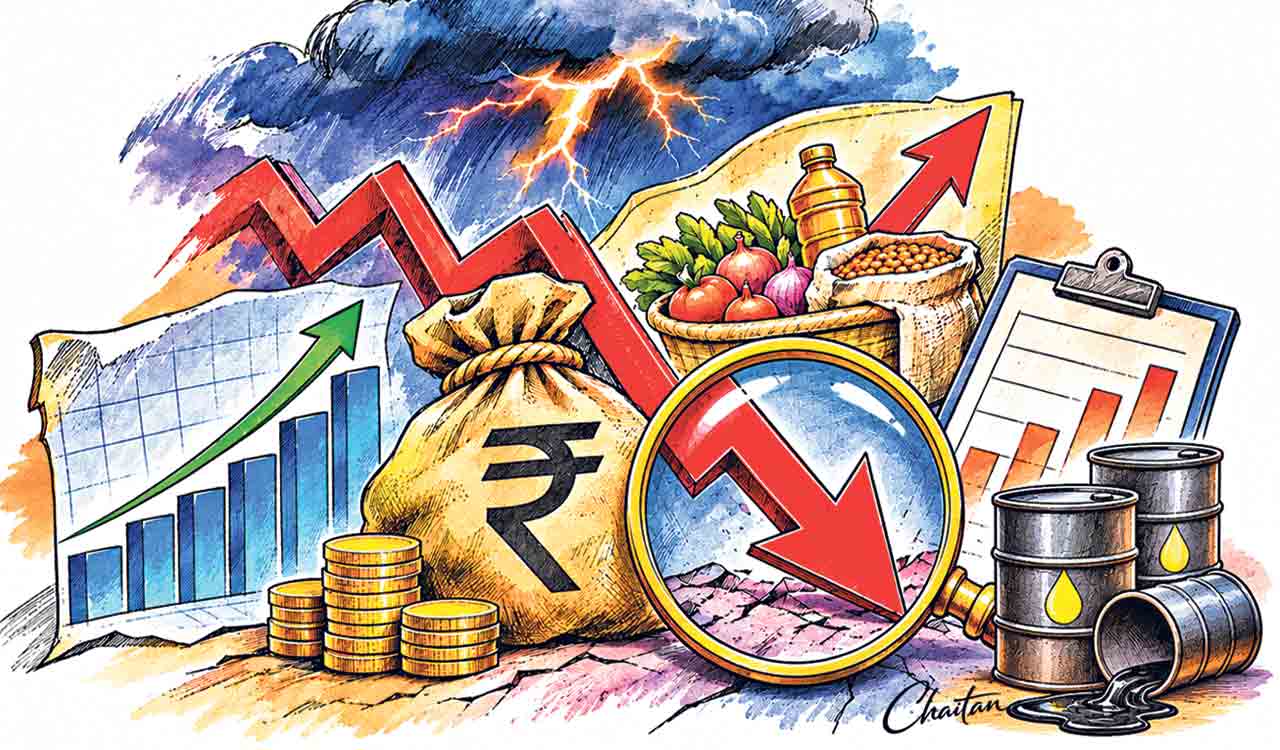
Liquidity is always a double-edged sword. While adequate liquidity is essential for the smooth functioning of the economy and supports favourable demand conditions, excess liquidity can encourage higher spending and lower interest rates, other things remaining constant. Conversely, a liquidity shortage can constrain credit availability, dampen economic activity and exert upward pressure on interest rates.
Origins Overseas
To cut the long story short, this money has not appeared out of nowhere. This surge in liquidity has its origins overseas. The RBI encouraged banks to garner foreign currency through Foreign Currency Non-Resident (Bank) (FCNR(B)) deposits. The regulator wanted to attract more US dollars as the rupee remained under constant pressure due to exchange rate volatility.
The RBI’s move was aimed at strengthening the balance of payments and supporting the rupee amid its depreciation against the US dollar, as Indians brought foreign currency into the banking system. FCNR(B) deposits accounted for a $127 billion inflow, leading to surplus liquidity.
India’s banking system is awash with a record Rs 11.6 lakh crore in surplus funds. The RBI’s challenge is to ensure that this money flows into productive sectors of the economy, supporting investment and growth
What will the banks do with so much foreign currency? Banks swapped the foreign currency they mobilised for Indian rupees with the RBI. These rupees subsequently entered the banking and financial system, pushing liquidity reserves to record levels. There is little doubt that this measure has helped strengthen the rupee and improve its ability to withstand external shocks.
Further, the RBI granted exemptions to FCNR (B) deposits from cash reserve ratio (CRR) and statutory liquidity ratio (SLR) requirements, making it easier for banks to mobilise foreign currency and swap it for rupees. However, the surge in foreign currency deposits has created another challenge. What began as a technical banking issue has turned into a macroeconomic development, raising questions about who stands to gain and who loses.
Let us examine who is likely to benefit from and who may be adversely affected by this surplus liquidity.
What Can Banks Do
Starting with the banking sector, what can banks do with so much money? Lending rates may come down as the banks compete with one another to attract borrowers. With abundant funds at their disposal, banks may come under pressure to reduce lending margins as they compete for good-quality borrowers.
Banks generally consider borrowers with reliable cash flows, strong credit ratings, a record of zero delinquencies and adequate collateral to be creditworthy. Businesses with future borrowing requirements, particularly those planning expansion, are also likely to attract their attention.
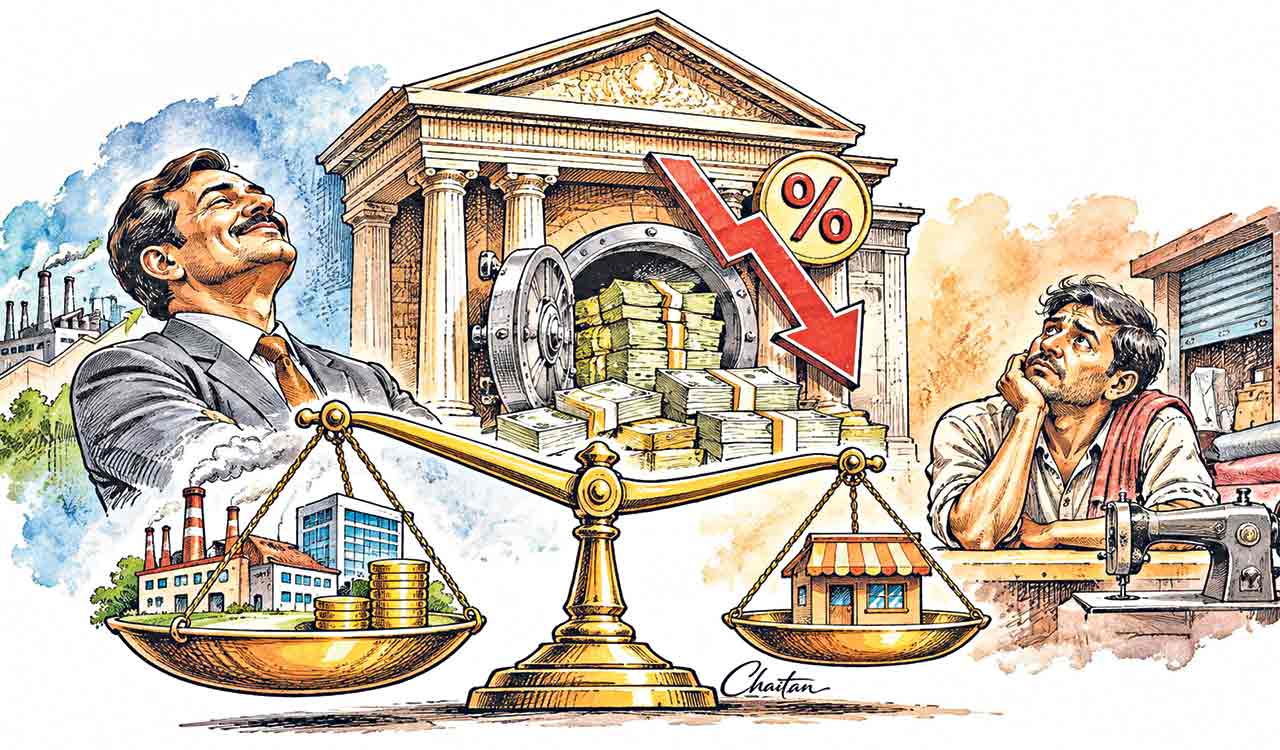
However, banks remain risk-sensitive because of their past experiences and prefer to finance only borrowers who meet their lending criteria. This could create a problem of unequal distribution of credit across sectors. The availability of funds does not necessarily translate into easier access to credit for small retail and MSME businesses, who are financially stressed and need funds at lower interest rates.
This creates a situation in which banks have plenty of money, yet the benefits of surplus liquidity may not reach those who need it most, including MSMEs and emerging businesses. Large corporates remain the primary beneficiaries of cheaper debt.
Deposit rates, too, may see a decline as banks may no longer need to attract deposits by offering them high interest rates. The RBI is already managing the situation by absorbing excess liquidity through its monetary policy instruments. These efforts must ensure effective monetary policy transmission while keeping inflationary pressures under control.
What if this excess money finds its way into the equity markets, providing support to risk assets? This could raise concerns about share prices rising faster than corporate intrinsic values, potentially moving away from underlying economic fundamentals.
There is also a possibility that surplus liquidity could increase demand for government securities, reducing the government’s borrowing costs. Bond yields could come under downward pressure, with implications for inflation and fiscal conditions.
The Real Problem
The bigger question facing us is this: Is excess money supply a liquidity problem or a problem of credit allocation across sectors?
Economic stability depends on where this excess money flows. Surplus liquidity should be channelled into productive credit facilities to boost consumption and investment. If it flows into financial assets, it could contribute to asset price pressures, limiting the real economy boost.
The challenge for banks has therefore shifted from mobilising funds to deploying them efficiently in the right sectors. Ensuring banks have sufficient money is not the only challenge facing India. The real task is to ensure that surplus liquidity does not just circulate within financial markets but finds its way into profitable investments.
Therefore, draining Rs 11 lakh crore is not the RBI’s only task. The larger objective is to determine how much liquidity the economy truly requires and ensure that the surplus is effectively allocated to sectors that need it most, thereby supporting financial stability.

(The author is Associate Professor of Finance at Christ University, Bengaluru)

Related News
-

RBI issues consolidated domestic money transfer rules; retains Rs 50,000 cash NEFT cap
-
Opinion: Telangana’s drought not caused by El Niño, but by the government
-
Rupee rises to 93.70 against US dollar as domestic markets strengthen
-
Opinion: 2026 Economics Nobel — why policymakers must prepare for the unpredictable